Troubleshooting & Analysis
I figured a $20 head couldn't possibly cut like the real one
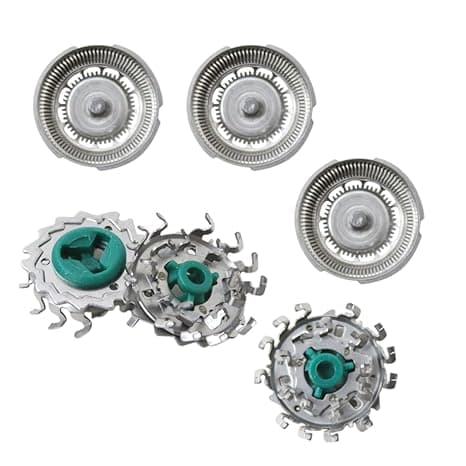
Here's where my head was at. My Norelco SH90 had gone from a clean two-minute pass to a session where I was going over the same patch on my jaw four, five times — and still coming away with that stubbly drag you feel more than see. The blades were shot. I knew the fix was a new head cassette. What I didn't believe, not for a second, was that the off-brand replacement floating around for about $20 would do the same job as the genuine Philips one sitting there at $45. Twenty bucks. For the part that actually touches your face every morning. My gut said: that's the corner you don't cut.
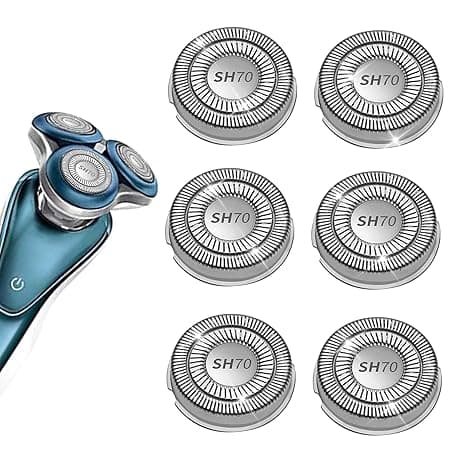
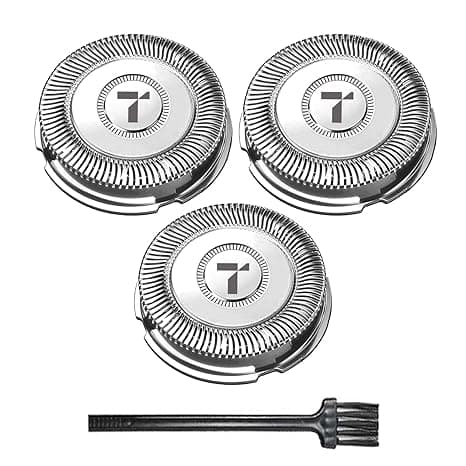
So I bought both. The OEM SH90 head and a compatible cassette, side by side, because I wanted to catch the cheap one failing. Spoiler: it didn't fail. But it wasn't identical either, and I'm going to tell you exactly where the difference shows up, because that's the part that actually matters when you're deciding.
The money, plainly
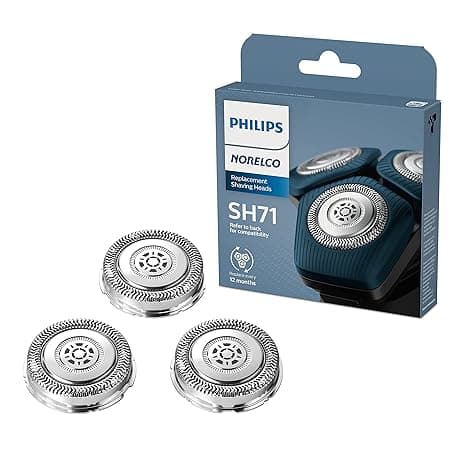
The genuine Norelco SH90 replacement head runs around $40 to $45 depending on the day and the seller. The compatible cassette I tested was right around $20. Philips wants you to swap the head roughly once a year — every twelve months, more or less, depending on how thick your beard is and how often you shave. So this isn't a one-time gap. Run OEM and you're looking at maybe $45 a year, every year, for as long as you keep the shaver. Run the compatible and it's closer to $20.
And honestly? The other quiet option people forget is that a fresh head means you don't replace the whole shaver. A new SH90-series unit is well north of $150. So whichever head you pick, you're already saving real money by not buying a new machine to fix a $20 problem. The OEM-vs-compatible question is just how much more you want to keep in your pocket on top of that.
Does it actually seat right?
This was my first real test, because a shaver head that doesn't sit flush is worse than a dull one — it'll skip and pinch. The SH90 swap itself is dead simple either way: you press the release buttons, the old head pops off, you line the new cassette up and snap it down. It clicks. That click is the whole game, and the compatible one clicked.
That said — the frame on the aftermarket cassette is a hair looser in the housing than the genuine part. Not loose enough to rattle or come free, but if you've handled the real one for years like I have, you feel it. There's maybe a half-millimeter of play where OEM has none. After I snapped it in and put a single drop of shaver oil on the blades (do this, it's not optional, it's the difference between a smooth head and a screechy one), it ran fine and stayed seated through months of daily use. But I'd be lying if I said the fit felt as tight out of the gate.
The shave, honestly
On the cheek and neck — the flat, easy real estate — I genuinely could not tell the two apart. Same closeness, same speed, no extra passes. The compatible head pulled my growth up and cut it clean. The whole reason I bought it, the painful tug-and-yank of dead blades, was just gone. First clean shave in weeks.
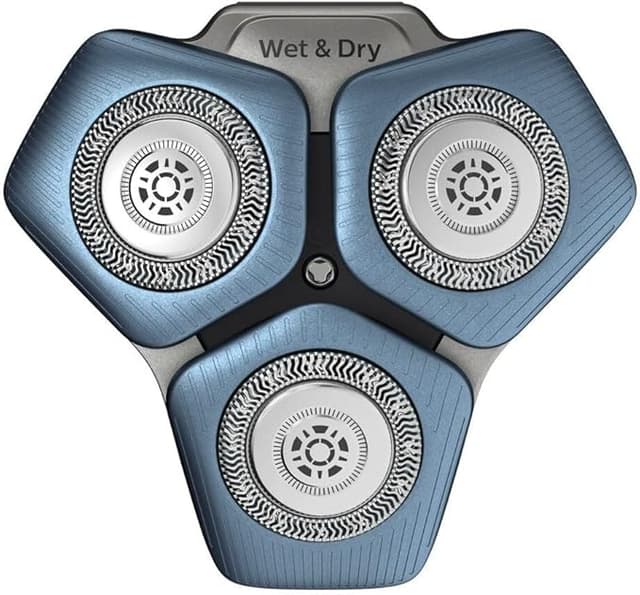
Where OEM is still a touch ahead is the tricky geometry. Under the jaw, around the Adam's apple, the spots where the head has to flex and pivot to stay flat on the skin. The genuine SH90 cassette has a slightly smoother pivot, and on those contours it shaved a fraction closer with one less pass. With the compatible head I went over my neck one extra time. We're talking ten, fifteen seconds added to a shave. For some of you that's nothing. If you've got a thick, coarse neckline and you're fussy about it, it's worth knowing.
The downside I'd want a friend to tell me about
Two things, real ones.
First: the first few shaves had a faint plastic smell — that fresh-injection-molded scent off the new cassette. It's harmless and it was gone in three or four days, but the first morning I definitely noticed it up close. OEM heads have it too, just less.
Second, and this is the one that actually counts: longevity. The genuine SH90 head is rated for roughly a year and in my experience it gets close to that before the cut quality really drops. The compatible head I tested was clearly sharp and clean for months, but by the back half of the year I could feel it dulling a touch faster than the genuine one tends to. So the honest annual math isn't quite "$20 vs $45." If you find yourself swapping the cheap one a little sooner — say every nine or ten months instead of twelve — you're realistically still spending far less than OEM, but it's not the full 55% saving the sticker prices suggest. Call it a genuine, big saving rather than a magical one.
And the why-it-matters piece, because it's the real reason not to just limp along on a dead head: a worn cassette doesn't cut, it pulls. That tugging is what causes the razor burn and the ingrowns and the irritated, blotchy neck. A sharp head — OEM or compatible — fixes that. A dull one you keep using because you're avoiding the $20 purchase is the thing actually wrecking your face.
So which one, and who should ignore me
If you've got a brutal, coarse beard, you shave your neck close every single day, and that one extra pass genuinely bugs you — buy the OEM head. The pivot is smoother, it holds its edge a little longer, and you'll appreciate it. No shame in it. That's a real use case.
For everyone else, which is most of us? I put the compatible cassette back in my SH90 after the test and I've kept buying it since. It snaps in, it clicks, it shaves my face clean, and it does it for less than half the price of the part with the brand name stamped on it. The fit's a touch looser and it dulls a hair sooner — and knowing both of those, I still grab the $20 one every time. The shaver I was about to give up on works like new. That's the whole story.