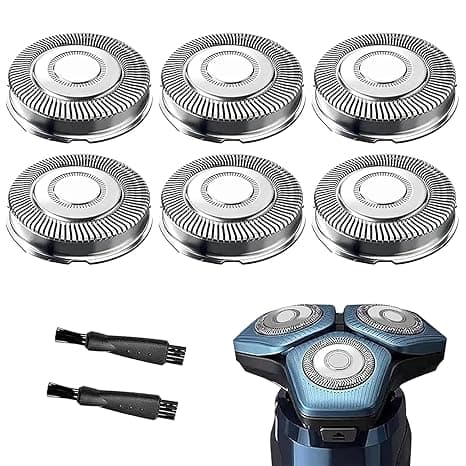
Troubleshooting & Analysis
I bought the cheap SH70 head fully expecting to return it
I didn't believe it. A $22 replacement head doing the same job as the $55 Norelco one? I'd been shaving with the same SH70 cassette for almost two years at that point — way past the year you're supposed to swap it — and my morning shave had turned into a daily argument with my own face. Hair getting yanked instead of cut. That hot, raw line along my jaw by 9am. I knew the head was shot. I just didn't want to hand Philips another fifty-five bucks for three little circular blades.
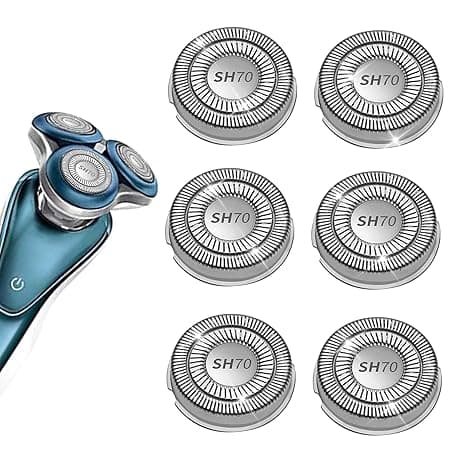
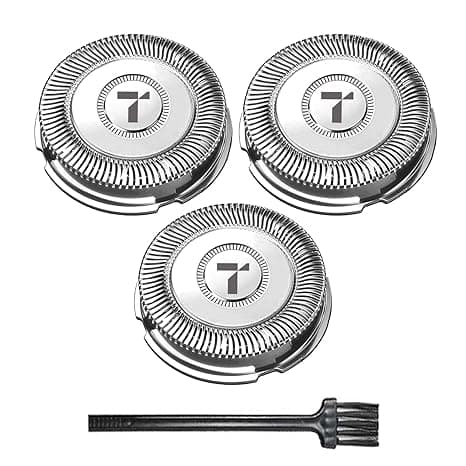
So I ordered the compatible SH70 cassette out of pure spite, half-convinced I'd be writing an angry review about how it shredded my shaver. I've now run it for a little over five months. Here's the honest rundown.
The money, plainly
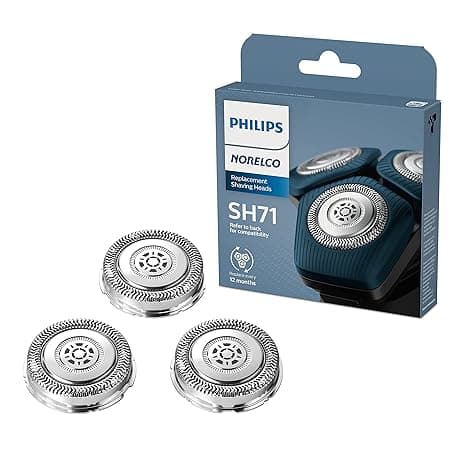
The genuine Norelco SH70/52 head runs me about $52 to $58 depending on the week — I've watched it bounce around that range for two years. The compatible cassette I bought was $21.99. That's not a rounding-error difference. That's the price of a decent dinner, every single year, because you're meant to replace these heads roughly once a year if you shave most days. Over the five or six years a 7000-series shaver actually lasts, you're looking at a couple hundred dollars in OEM heads versus maybe eighty in compatibles. The shaver body is the expensive part you already own. The heads are the consumable, and that's exactly where the OEM markup hides.
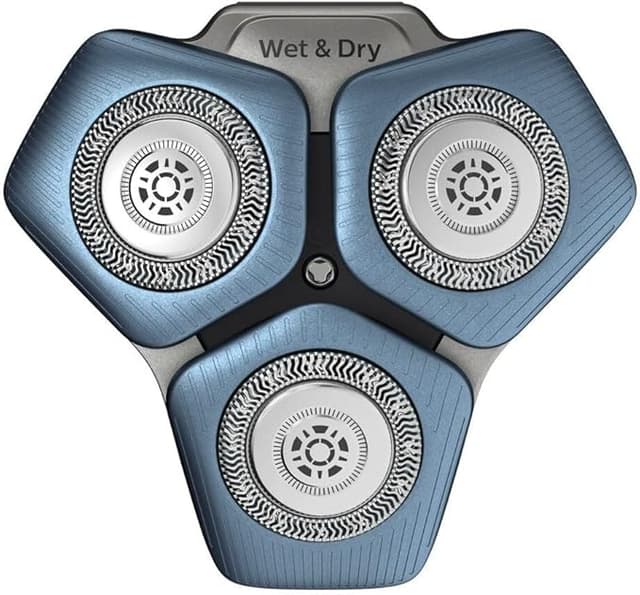
And let me be clear about something — you do not need a new shaver. That was the other trap I almost fell into, eyeing a $180 newer model because mine "felt dull." It wasn't the motor. It was three worn blades. Swapping the head brought my SH70 back to cutting like it did out of the box.
Does it actually fit?
This was my real fear. A loose head on a rotary shaver is useless — it'll rattle, lose contact with your skin, and cut nothing. The install itself is genuinely a ten-second job: press the release buttons on the head holder, the old cassette pops out, and you snap the new one in. It clicked. A real, confident click, not a vague "I think that's seated" feeling.
But — and this is the first honest downside — the fit is a hair less precise than OEM. When I twist the head holder closed, there's a tiny bit more play in the compatible one than I remember from the factory head. It doesn't move during a shave, it doesn't affect the cut, but if you wiggle it with your fingers off the body, you can feel it's not machined to quite the same tolerance. Bothered me for about a week. Then I stopped noticing.
One small thing the instructions get right: put a single drop of light oil on the blades before the first use. I skipped it the first day because I was impatient, and the shave was a touch grabby. Oiled it the next morning and it glided. Do the oil step.
How it shaves, five months in
Closeness? Genuinely, I can't tell the difference from a fresh OEM head on the first pass. Same number of swipes, same result along the cheeks and neck. The break-in is real though — the first three or four days, the blades feel slightly stiffer, and I got one small nick under my jaw I hadn't gotten in a while. By the end of week one it had loosened up and that stopped.
Where it's a touch behind: durability, I think. The factory head held its edge for a solid year-plus before I noticed any drop-off. This compatible one feels, honestly, like it's settling into "good enough" rather than razor-fresh a little sooner — maybe around the four-month mark I felt I needed a slightly slower pass on my chin. Still completely usable. But I'd bet I'm replacing this one at ten months instead of fourteen. Even so, at a third of the price, I come out way ahead.
The packaging, while I'm being honest, is cheap. A thin plastic clamshell, no fancy box, a manual printed in type so small I needed my glasses. It works. It's just clearly built to a budget.
Why a worn head matters more than people think
Here's the part I'd tell a friend. Dull rotary blades don't just shave worse — they pull. They grab the hair, tug it up, and snap it instead of slicing it clean at the skin. That tugging is what causes razor burn and those red bumps, and it's brutal if your skin is at all sensitive. I assumed for months that my skin had gotten touchier with age. Nope. It was the blades. A sharp head, OEM or compatible, cuts cleanly and the irritation just goes away.
Who should skip this
If you're the kind of person who keeps a shaver for a decade and wants every part to be factory-spec, or you've got genuinely reactive skin where a four-day break-in period sounds miserable, buy the real Norelco head and don't think about it. That's a fair choice. The OEM tolerances are tighter and the longevity is better.
For everyone else — me included — a $22 cassette that brings a tired SH70 back to a clean, close shave, with one slightly loose-feeling holder and a short break-in as the only real cost, is an easy call. I didn't trust it. I expected to return it. Instead I've got a second one already sitting in the drawer for when this one tires out. That's the most honest endorsement I can give: I spent my own money on it twice.