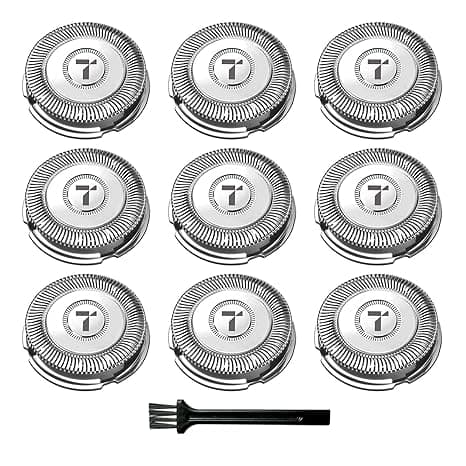
Troubleshooting & Analysis
The morning my SH70 turned into a hair-puller
I knew the heads were done before I admitted it. About three weeks of that telltale tug — the SH70 wasn't cutting anymore, it was grabbing. You know the feeling: you drag the shaver up your neck and instead of that clean buzz it kind of yanks, then skips, then yanks again. I'd come out of the bathroom with two red welts under my jaw and a patch of stubble it just refused to take down. Razor burn on a day I had to actually look presentable. That was the morning I finally accepted my original heads were toast.
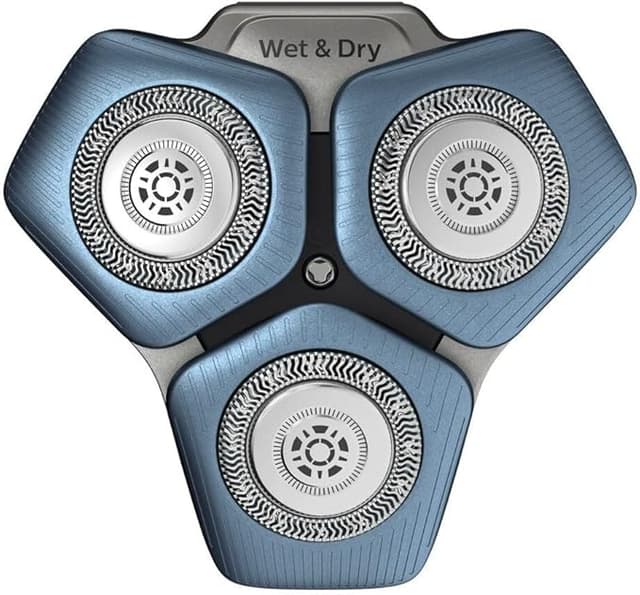
Here's the thing about Norelco rotary heads — the blades and the foil discs wear together as a matched set. When they go dull, oiling won't save them, cleaning won't save them. Dull blades stop slicing and start plucking, which is exactly the razor burn I was getting. So you've got two options: drop real money on a brand-new shaver, or swap the heads. I'd had the body of mine maybe three years. The motor was fine. It felt insane to throw out a working shaver because three little cassettes wore out.
The price gap that pushed me to the compatible set
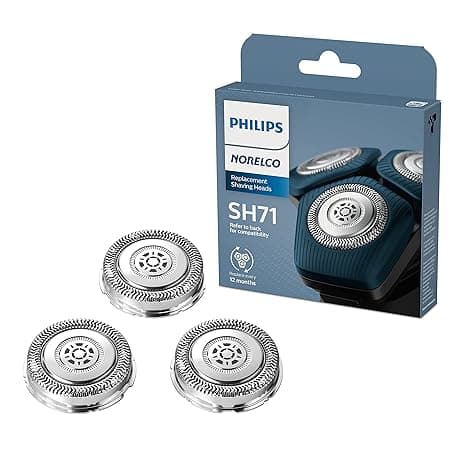
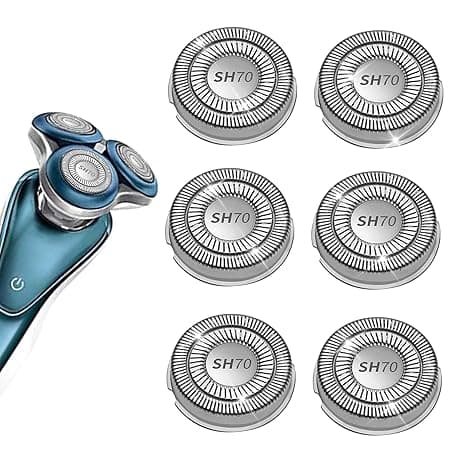
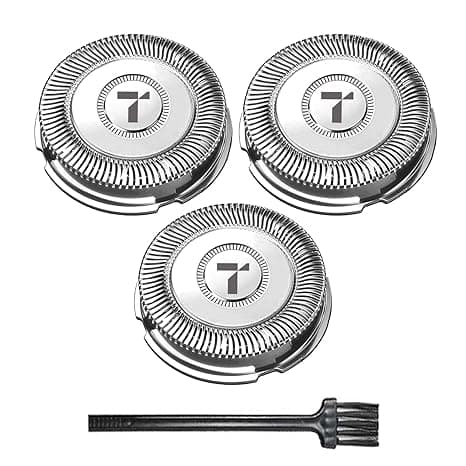
Genuine Philips/Norelco SH70 heads run me somewhere around $48 to $55 depending on where I look — sometimes they tease you down to the low forties on a sale, but mostly it's a fifty-dollar hit. The compatible set I bought was $22. That's not a rounding-error difference. That's more than half off for a part that, on a shaver, gets replaced roughly once a year if you shave most days. Over the life of the shaver that adds up fast.
And honestly? Fifty-plus bucks for three small discs of metal and plastic always struck me as the OEM tax you pay for the name printed on the box. So I ordered the cheap set, half-expecting to be writing a "don't bother" review right now.
The install — and one genuinely annoying moment
Swapping heads on the SH70 is stupid simple, and the compatible set didn't change that. You press the release buttons, the top cap flips open, the old cassette lifts out. Drop the new heads in, snap the cap shut, done. The whole thing took me under two minutes the first time and I'm not handy.
Now the annoying part, because there's always one. Two of the three heads seated with that clean little click right away. The third one fought me — I had it in the wrong rotational position and the cap wouldn't close flush. Took me a good thirty seconds of fiddling, popping it back out, spinning it, reseating it, before it clicked home. With the genuine heads I've never had that happen; they kind of self-align. So the tolerances on these aftermarket cassettes are a hair off. Not enough to matter once they're in — but enough that you'll notice during the swap. After it seated properly the cap closed tight with no wobble, no rattle when the motor runs.
One more thing the kit didn't include that the box implied: nothing to lubricate with. I put a drop of light shaver oil on the heads before the first run, which I'd recommend with any new set anyway. It quiets them down and helps the break-in.
How it actually shaves
First two days, there was a faint metallic, slightly oily smell to the cut — that's the new blades breaking in against my stubble, and it faded completely by day three. The first shave was good. Not perfect. About 90% of an OEM-fresh shave. By the third or fourth shave, once everything had bedded in, I honestly could not tell you in a blind test which heads were in the machine.
Close shave on the cheeks, no tug, no welts — the exact problem I'd been fighting was just gone. Where I'll be straight with you: on my neck, where the hair grows every which way, the compatible heads need one extra pass to get fully smooth. The genuine ones got me there in a single pass on a good day. One extra pass is the whole downside. That's it. For thirty bucks saved, I will gladly make an extra pass.
The downside you should actually weigh
It's not the shave — it's the unknown on lifespan. My genuine heads reliably gave me a solid year before the tug came back. I've been on this compatible set for about four months now and they're still cutting clean, but I can't promise you they'll match the OEM at month eleven. The steel might dull a touch sooner. If they only last nine months instead of twelve, the math still wins easily at this price, but go in clear-eyed: you may be swapping a little more often.
The packaging was also cheap — thin blister plastic, no real protective tray for the heads, a little instruction slip that read like it went through a translator. Doesn't affect the product. Just don't expect the OEM unboxing.
Who should skip this — and what I do
If you've got sensitive skin that reacts to the slightest difference, or you shave for a living and need that single-pass perfection every single morning, buy the genuine SH70 heads. The extra-pass thing and the slightly fuzzy lifespan aren't worth the risk for you, and that's a fair call.
For everyone else — anyone staring at a working shaver body and a fifty-dollar head replacement, feeling robbed — this is the easy answer. My SH70 went from pulling hair and leaving razor burn back to a clean, painless shave for twenty-two bucks and two minutes of work. The tolerances are a touch looser, the neck takes one more pass, and I'd buy it again without thinking twice. I already have it bookmarked for the next time the tug comes back.