Troubleshooting & Analysis
I stood in the CVS aisle holding both boxes, doing math I didn't want to do
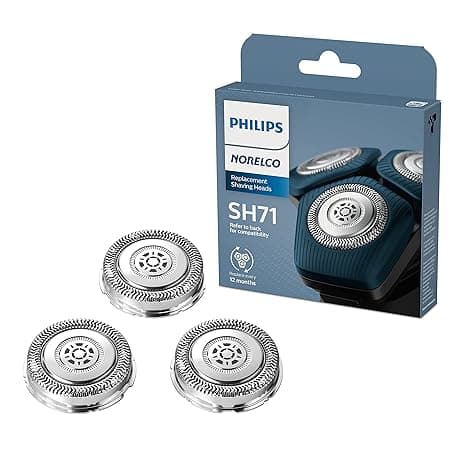
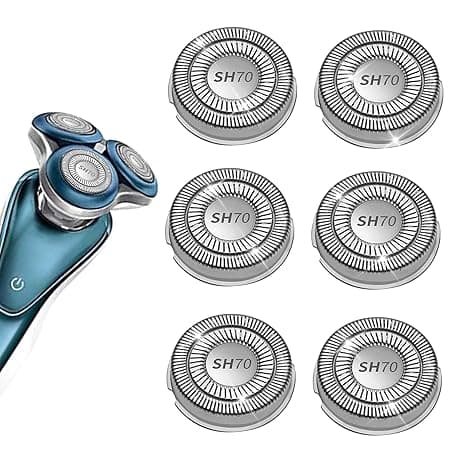
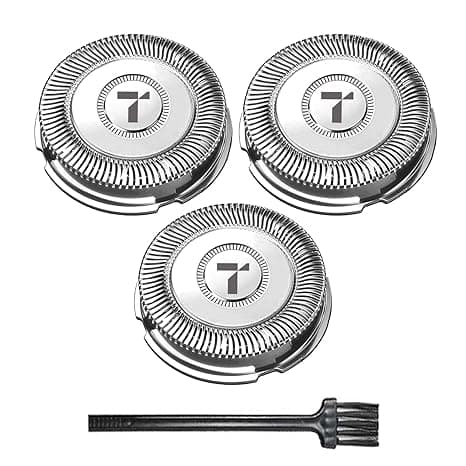
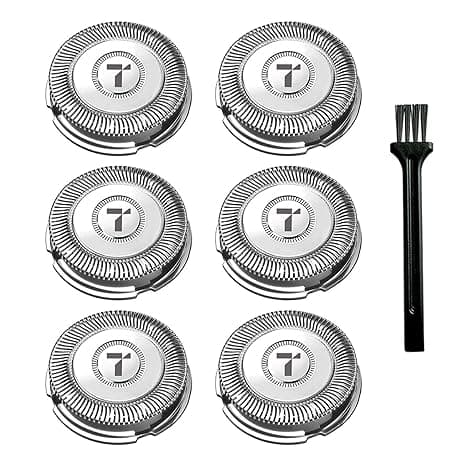
One was the genuine Norelco SH30 head — $42 with tax. The other was a compatible SH30 cassette I'd pulled up on my phone, $14.99 shipped. Same three-head layout, same little click-in tabs, fits the same 3000-series shaver I've been using since 2021 (mine's the S3310, but the SH30 covers the 1000, 2000, and 3000 lines). I put the $42 box back on the hook. Then I picked it up again. Then I put it back. You know that moment.
Here's the thing that finally decided me: my old heads were so worn that my morning shave had turned into a chore. Not cutting — pulling. That sting on the neck where the blade drags a hair instead of slicing it, then snaps it. I'd been blaming my skin. It wasn't my skin. It was three years of metal grinding on metal. So whatever I bought, the bar was low. Anything sharp would feel like a miracle. The real question was whether the cheap one would still feel like a miracle in eight months.
The money, plainly
Norelco wants you to swap the head once a year. At $42 a pop for OEM, that's $42 a year, forever, for a shaver that cost me maybe $60 new. Two years of OEM heads and you've spent more on replacements than the machine. The compatible cassette I bought runs $13–17 depending on the week. Call it $15. That's a $27 gap every single year — and over the five or six years one of these shavers actually lasts, you're looking at roughly $135 saved versus the genuine route. That's not nothing. That's a decent dinner out, annually, for the crime of buying a shaver head that does the same job.
Does it actually seat right?
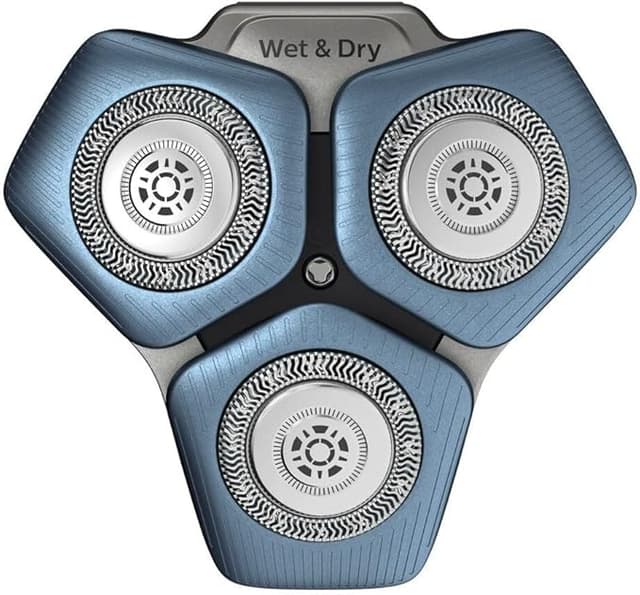
This was my worry. A loose head on a rotary shaver isn't cosmetic — if a cassette doesn't sit flush, the heads chatter and you get an uneven shave or worse, a nick. I popped the old one out (press the two release buttons on the sides, the retaining ring lifts, the whole head assembly comes free) and snapped the new cassette in. It clicked. Both tabs, solid click, no wobble when I gave it the wiggle test. I'll be straight with you though: the fit is a hair tighter than OEM going in. The first time I seated it I had to press a little harder than I expected, and for a second I thought I'd gotten a bad unit. It wasn't bad. It just needed firmer thumbs. Once it's in, it's in — no rattle, no play. I put a single drop of shaver oil on the heads before the first run, like the instructions say, and let me tell you that step matters more than people think. Skip the oil and even a sharp new head sounds like a coffee grinder.
How it shaves — honest version
First three mornings, genuinely great. Close, fast, no pulling. The thing my worn heads couldn't do — get under the jaw in one pass — it did. My neck, which is where I judge any shaver because the hair grows four directions down there, came out smooth without me going over it five times.
Now the honest part. Against a brand-new OEM head, side by side? The OEM is a touch closer on the very flat planes of the cheek. Maybe five percent. If you're someone who runs a hand over your face afterward and feels for that one survivor whisker, you'll notice it. The compatible head leaves a slightly less "polished" finish — still a clean shave, just not the bald-as-glass result the genuine Philips blades give on day one. For me, day-one perfection isn't worth twenty-seven bucks, because by week two even the OEM has settled into "very good" rather than "perfect" anyway.
The real downside
The plastic carrier. The OEM cassette has this satisfying matte finish and the frame feels dense. The compatible one is glossier, lighter, and the plastic has a faint smell out of the box — kind of a new-toy smell — that hung around for the first two or three uses before it aired out completely. Didn't affect the shave, didn't transfer to my skin, but I noticed it and I'm telling you because I'd want to know. The packaging is also cheap. Thin cardboard, a sticker that wasn't quite straight. None of that is the part that touches your face. But if box-quality is how you judge a product, this'll bug you for about thirty seconds.
Who should just buy the genuine one
If you've got sensitive, reactive skin and you've finally dialed in a setup that doesn't break you out — don't gamble. Stick with OEM. Same if you keep your shavers a decade and the lifetime cost math doesn't move you. And if your shaver is an oddball model where you're not certain the SH30 is the right head, confirm the part number first; the SH30 covers the 1000/2000/3000 series, not the higher S5000/S7000 lines, and a wrong head won't seat.
For everyone else — for me — the call's easy. I've now bought the compatible SH30 twice. The first one ran a full year before it started softening up, which is exactly what I'd ask of the $42 version. It restored my shaver to "actually cuts" instead of "tugs and stings," it clicked in tight, and it did it for a third of the price. The plastic's cheaper and it smells funny for two days. I'd buy it again. I already have.