Troubleshooting & Analysis
The click is how you know it's seated right
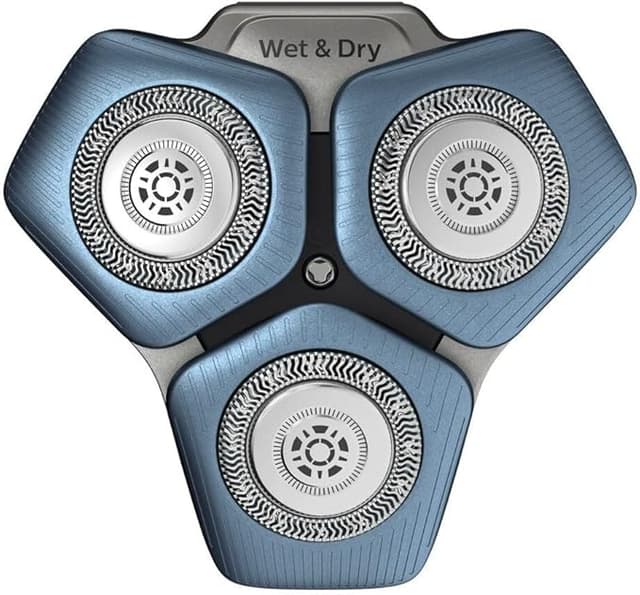
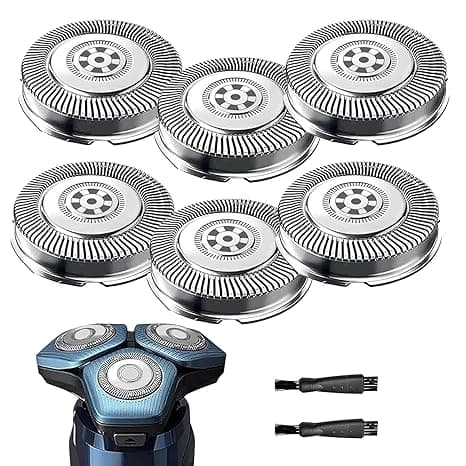
There's a specific little snap when a Series 7 cassette drops into place — a two-stage thing, almost a double-click, where the head settles and then the release tabs grab. The first aftermarket head I ever bought didn't make that sound on the first try. I panicked for about ten seconds, popped it back off, lined up the arrow, pressed again — and there it was. That click. I've replaced the head on my Norelco four times now with compatible cassettes, and that sound is the whole ballgame. If you hear it, you're fine. If you don't, you've got it cocked at an angle and you just reseat it.
I'm telling you about the click first because it's the thing nobody warns you about, and it's the thing that makes people return a perfectly good part. So: you're not looking for a perfect snap-in on the first push every time. You're looking for that final click. Get that, and the rest of this is just whether the blades actually cut.
Why I stopped buying the Philips-branded heads
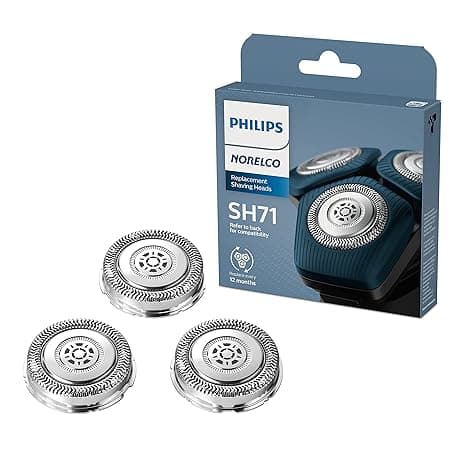
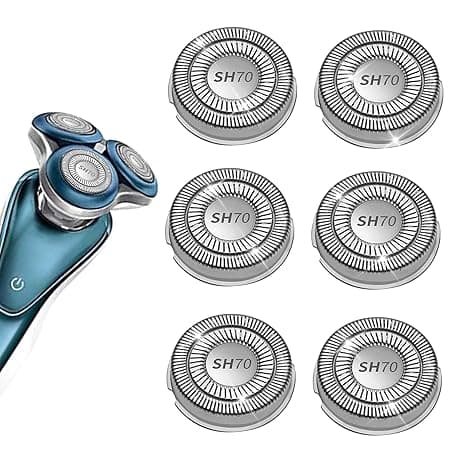
Here's the math that pushed me over. A genuine Norelco SH70 replacement head — the OEM cassette that fits the Series 7 — runs me right around $45 when I catch it on sale, closer to $55 most of the year. You're supposed to swap it roughly once a year. So that's a $50-ish recurring tax on a shaver I already paid for, basically forever, just to keep it cutting instead of yanking.
And that's the real failure I want to flag, because it sneaks up on you. A worn Series 7 head doesn't die dramatically. It just gets meaner. The blades dull, and instead of slicing the hair clean they start to grab and pull — which on your neck reads as razor burn, those red bumps along the jaw, the sting when you splash on anything after. I went a good five months past when I should've swapped mine, blamed my technique, blamed the gel, even bought a new pre-shave. It was the head. Dropped a fresh cassette in and the next morning's shave was quiet again. No tug. That's the tell that yours is gone, by the way — if it's pulling, no oil or pressure trick fixes it, the edges are just done.
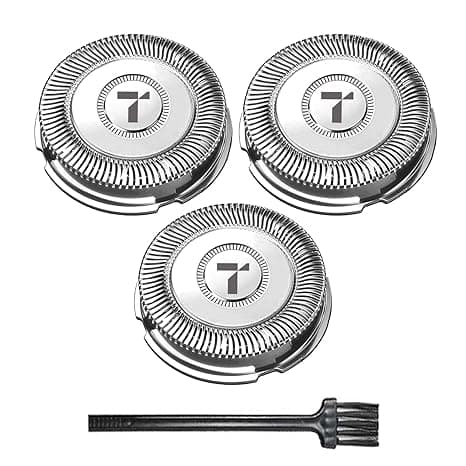
So once you accept you're buying a head every year, the only real question is whether you pay $50 to Philips or roughly half that to a compatible maker doing the same job. I've been paying the half.
The swap itself — three minutes, no tools
This part is genuinely easy and I want to be honest that it's easy, because some listings make it sound like surgery. You press the two release buttons on the sides of the head, the old cassette lifts off, you drop the new one in until you get the click I keep going on about, and then — do not skip this — you put a single drop of shaver oil or even light machine oil on the blades and run it dry for a few seconds. That last step is the difference between a head that lasts its full year and one that gets loud and warm at month eight. The cheaper aftermarket cassettes especially want that oil on day one. Mine came a little dry out of the package.
The honest performance read
Day one to about day three, the compatible head shaves almost like OEM. Close enough that on a normal weekday I'd never clock the difference. Where I'll be straight with you: the genuine Philips head holds its edge a hair longer into the year. Around month nine or ten, my aftermarket cassettes start losing a little bite before an OEM one would. So if you're the type who keeps a head until it's truly hammered, the OEM stretches a few more weeks of life out of itself. For most of us swapping annually anyway, that gap never matters — you're replacing it before either one degrades.
The other thing is the close-cut on the neck. OEM, for me, gets just slightly closer in one pass on the under-jaw, the spot everyone struggles with. The compatible head sometimes wants a second pass there. Not a dealbreaker. A second pass on one zone. But it's real and I'd be lying if I left it out.
The downsides, for real
Let me actually sit on the negatives because a review that's all sunshine is worthless. First: the plastic. The cassette frame on the budget heads is a touch thinner than Philips's, and out of the package mine had a faint chemical-plastic smell for the first two days — you notice it the first couple of shaves, right under your nose, and then it's gone. Doesn't transfer to your skin, doesn't matter, but it's there and it's a little off-putting at first.
Second: the build feel. When you hold the OEM cassette it just feels denser, more machined. The aftermarket one feels lighter, a bit more toy-ish in the hand before it's installed. Once it's clicked into the shaver you can't tell — the housing is the same Norelco housing — but if you judge it sitting in your palm, it doesn't inspire confidence. It performs better than it feels.
Third, and this is the one I'd actually weigh: quality control is a little less consistent batch to batch. Out of my four cassettes, three were flawless and one had a foil that sat ever so slightly proud on one corner. Still worked fine for the full run, but it's the kind of thing you basically never see on a genuine head. You're trading a few bucks for a little more variance. Worth it to me. Maybe not to everyone.
Who should just buy OEM — and why I don't
If you've got genuinely sensitive skin that flares from any little inconsistency, or you keep a head two years instead of one and need every last week of edge life, buy the genuine SH70. Pay the $45 to $55. It's the safer call and I won't argue you out of it.
But for me — normal beard, annual swap, a guy who got tired of paying premium for a consumable — the compatible head does the job that matters: it cuts clean, it stops the pull, it kills the razor burn, and it does it for around half the price. I've now bought it four times. The first time I was nervous and kept the old head as a backup. I threw that backup out two cassettes ago. That's the most honest endorsement I've got — I stopped hedging. Drop it in, listen for the click, give it a drop of oil, and go shave.