Troubleshooting & Analysis
The morning my Series 7 started yanking instead of shaving
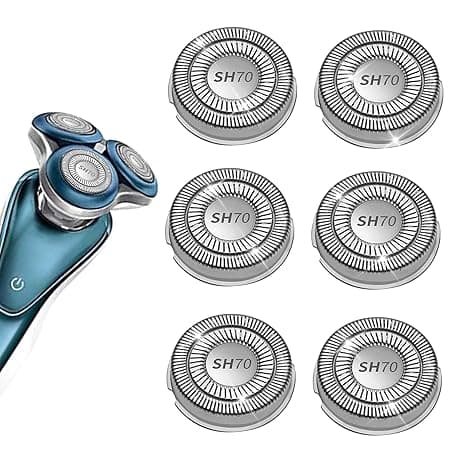
I knew the heads were done before I admitted it. For about three weeks my Norelco Series 7 had been getting worse — that telltale tug right under the jaw, where the hair's coarsest. Then one Tuesday it actually pulled a hair instead of cutting it, hard enough that I flinched and nicked the corner of my mouth. Red, stinging, the works. I'd been running the same SH70 cassette for, honestly, way too long. Probably eighteen months on a head rated for twelve. The blades weren't dull in some abstract spec-sheet way — they were physically rounded over, dragging hair into the cutter before they'd slice it. That's what causes the burn. Not the motor, not the battery. The head.
So I went looking for a replacement, and that's where the sticker shock hit.
What Norelco wants vs. what this actually costs
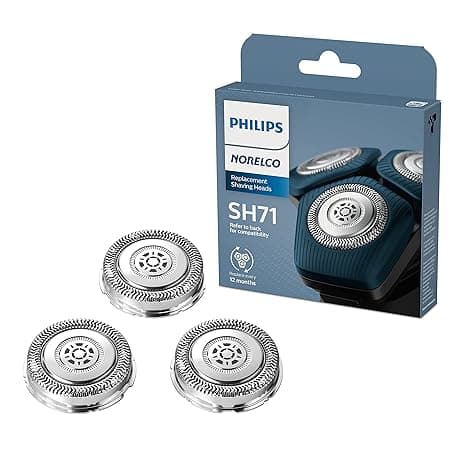
The genuine Philips Norelco SH70 cassette — the one in the silver-and-blue box — runs about $42 most places, and I've seen it as high as $48 when it's not on sale. For three small blade-and-comb units. Meanwhile a working razor with the head removed is just an expensive paperweight. I get why people stand in the aisle doing the math: a brand-new mid-tier Series 7 shaver is maybe $130-160, so spending $45 to revive a three-year-old one feels weirdly close to the cost of buying new. That math is exactly the trap. You don't need a new shaver. You need a fresh cutting surface.
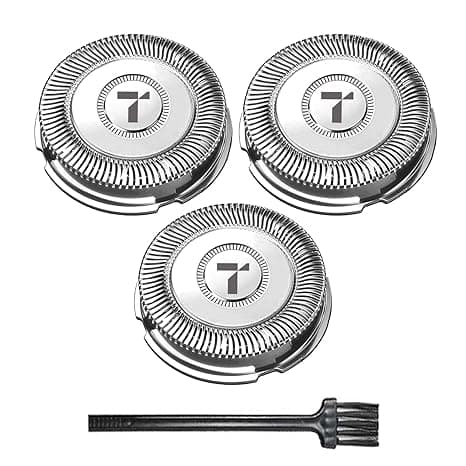
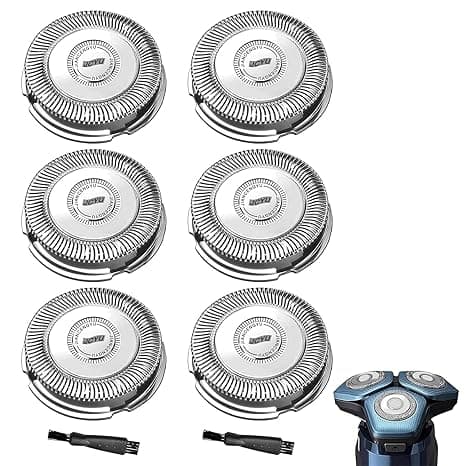
The compatible cassette I bought ran me $19.99 for a single pack. Same SH70-style snap-in design, same three-head layout. That's a $22 gap on one replacement. If you swap heads once a year like you're supposed to, over five years that's a $110 difference — basically a free shaver's worth of savings, just for not buying the silver box.
Does it actually click in right?
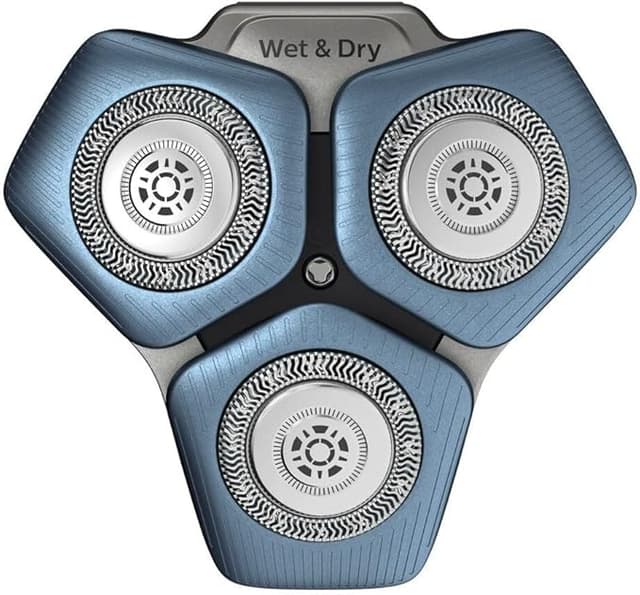
This is the part I was nervous about, because a shaver head that doesn't seat flush is a real problem — it lets longer hairs slip past the comb and it rattles. Install is genuinely a non-event, though. You press the two release buttons on the sides, the old head pivots off, and the new cassette drops onto the same three posts with a click you can feel through your thumb. I put a single drop of the little oil bottle on each cutter before the first run, the way the manual's wanted me to for years and I never did. Took maybe ninety seconds total.
One honest note on fit: the plastic frame on the compatible unit is a hair looser in the holder than the OEM was. Not loose enough to wobble during a shave, but if you hold the razor up and give it a shake you'll hear a faint tick the original didn't make. After four months of daily use it hasn't loosened further and it's never thrown the head off. It's a tolerance thing, not a safety thing. Still — I noticed it, so I'm telling you.
How it shaves, no spin
First three days, there was a faint plastic-and-machine-oil smell when I powered it on. Mild, gone by day four, but it's there and the OEM heads don't really do that. Past that break-in, the cut is the thing that surprised me. The first pass on day one was the closest shave I'd had in months — because of course it was, I'd been shaving with rounded-over blades for a year. Against a fresh OEM head, side by side, I'd call it about 90% as close on the first stroke. The genuine cassette grabs flat-lying neck hair maybe a touch better, so I do one extra against-the-grain pass on my throat that I wouldn't need with the real thing.
For everyone except the guy with a truly stubborn neckline, that gap is invisible. Cheeks, jaw, upper lip — identical, as far as my face can tell. And the razor burn that started this whole saga? Gone. Completely. Sharp blades cut hair cleanly instead of plucking it, and clean cuts don't inflame the skin. That was the entire point.
The downsides I'd want a friend to tell me
- The packaging is cheap — a thin plastic clamshell, no manual, no fancy storage cap. You're paying for blades, not presentation.
- Mine ran very slightly louder than the OEM head for the first week. It settled, but it wasn't imaginary.
- That looser frame tolerance I mentioned. Minor, but real.
- Longevity is the open question. I'm four months in and it's holding sharpness fine, but I can't yet promise it'll go a full clean twelve months the way the genuine cassette historically did. I'll keep using it and find out.
Who should still buy OEM — and who shouldn't
If you've got a heavy, wiry neck beard and you shave for a clean look every single day, spend the $42. That last 10% of closeness on flat-lying hair will matter to you, and the proven year-long lifespan is worth the premium. Same if your razor's under warranty and you're the type who worries non-genuine parts could void it — read your terms first.
For the rest of us — the guy whose old head is dragging, who just wants a comfortable, burn-free shave without handing Philips forty-some dollars twice a year — this is an easy call. I bought the compatible cassette, it pulled my Series 7 back from the dead the same morning it arrived, and the next time mine wears down I'm buying it again. I already have a second one in the drawer. At twenty bucks, why wouldn't I.