Troubleshooting & Analysis
I stood in the drugstore aisle holding a $52 box and a $19 box, and I almost walked out empty-handed
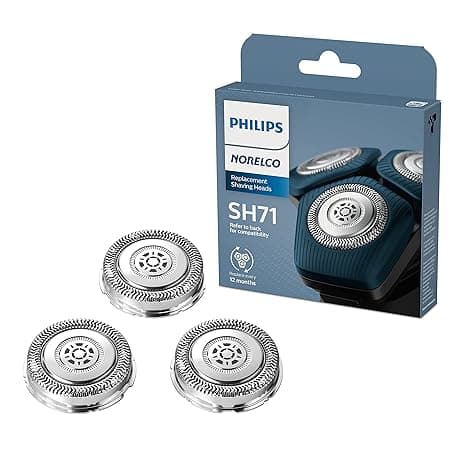
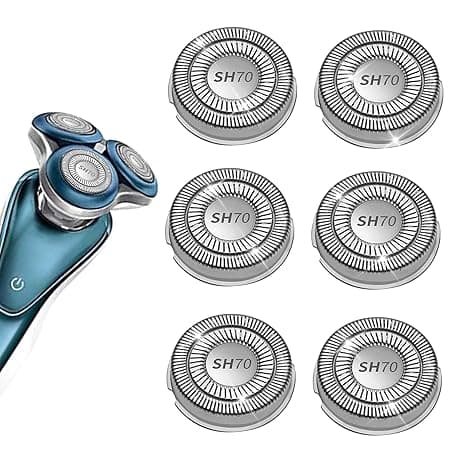
This was maybe a year and a half into owning my Norelco Series 7. The shaves had gone bad — not gradually, the way you'd expect, but in this annoying way where the razor would tug a hair, give up, and tug it again. My neck looked like I'd lost a fight with a cat. So I drove to the store, and there it was: the genuine Norelco replacement head, the SH70 cassette, fifty-two bucks. Right next to it, an aftermarket version doing the exact same job. Nineteen.
And I stood there. Honestly stood there for a good two minutes. Because a Series 7 isn't a cheap shaver, and the little voice said *if you buy the knockoff and it scratches your face or wrecks the motor, that's on you, genius.* I almost grabbed the OEM one just to make the doubt go away. I didn't. Here's what happened instead.
The math that made me stop being precious about it
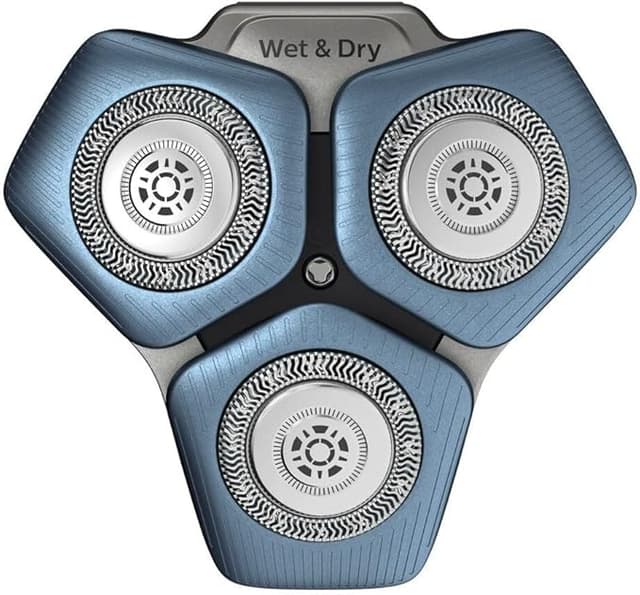
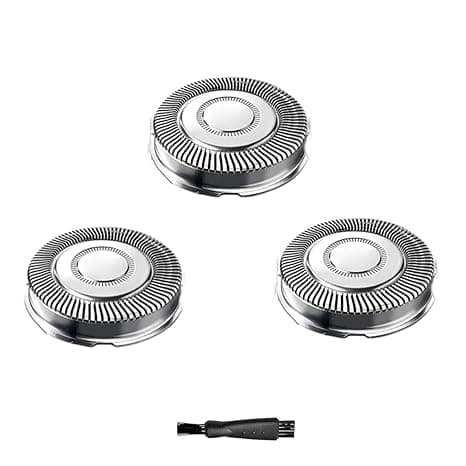
Philips tells you to swap the cutting head on a Series 7 about once a year. Once a year. So this isn't a one-time call — it's a recurring tax. At fifty-something dollars a pop, you're paying the price of a whole new mid-range shaver every couple of years just in replacement heads. And the thing people forget: the shaver itself is fine. The motor's fine, the battery's fine, the grip's fine. It's three little spinning blades that dull out. You are not buying a new machine. You're buying three small discs of sharp steel.
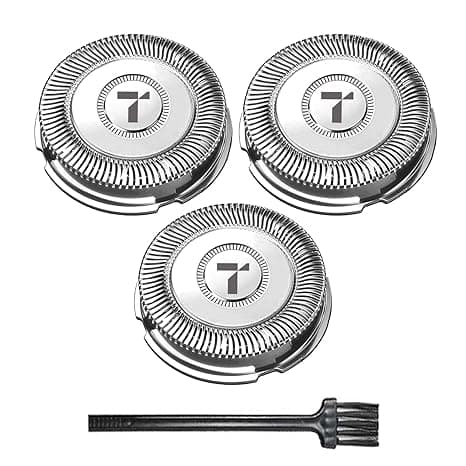
The compatible cassette does that exact job for roughly a third of the cost. Over four years of yearly swaps, that's the difference between spending north of two hundred dollars and spending under eighty. That gap is what kept me standing in the aisle instead of just reflexively reaching for the brand name.
Does it actually seat right? Yeah — and I was braced for it not to
This was my real fear. Series 7 heads click in with these release buttons, and if the aftermarket frame is even a hair off, you feel it — it sits proud, it rattles, it pops loose mid-shave. So the first thing I did when I got home was the install, slowly, watching for trouble.
Pressed the release buttons, the old head came off clean. Snapped the new cassette in. And it clicked. That specific, satisfying click — the same one the original made. No wobble when I pressed on it. The frame is, if I'm being picky, a tiny bit looser in tolerance than the Philips one — there's a whisper of play if you really wiggle it that the OEM didn't have. But seated and running? You can't tell. It tracks the contours of my jaw the same way. Three-step job, took me under a minute:
- Pop the old head off with the release buttons.
- Snap the new cassette in until it clicks.
- One drop of shaver oil on the blades, run it for ten seconds.
That last step isn't filler, by the way. A drop of oil after install made the first shave noticeably smoother — the new blades have a faint break-in stiffness and the oil takes it away. Don't skip it.
The honest performance read
First shave back was a relief, plain and simple. The tugging was gone. Hair got cut instead of yanked, my neck stopped looking abused. That's the whole point of swapping a worn head, and the compatible one delivered it on day one.
Where's it a touch behind? I'll give you two real things. One — the closeness over a full week of daily shaving felt maybe five percent off the absolute peak I remember from a fresh genuine head. It's close. It's not *identical*. If you're someone who runs a hand over your jaw and obsesses over the last trace of stubble, you might notice. Most of us won't. Two — there was a faint metallic, oily smell out of the package the first two or three days. Not chemical, not alarming, just *new-cheap-steel.* It aired out and was gone by day four. And the packaging itself is flimsy — a thin blister card versus Philips' nicer box. Cosmetic. But you notice you paid less.
Why a dull head is more than an annoyance
Here's the part I didn't take seriously until my face did. Dull blades don't just shave worse — they shave *mean.* They pull the hair up before severing it, which is exactly the mechanism behind razor burn and those angry little ingrown bumps. I'd been blaming my skin, my technique, the weather. It was the blades the whole time. Running a worn head for months to "save money" is a false economy — you're trading twenty bucks for a week of irritation and a worse shave every single morning. Swap it on schedule. Your face keeps the receipt either way.
So who should buy the genuine head — and what I actually do
I'll be straight: if you're still inside the Series 7 warranty window and you're worried a third-party head might give Philips an excuse to deny a claim, buy the OEM cassette and don't think about it. Same if you're the absolute-closest-shave purist who'll resent that five percent. For those two people, the genuine head is worth the premium.
For everyone else — for me — I grab the compatible one. It clicks in right, it kills the tug, it gives me a clean shave for a year, and it costs a third of the brand-name box. Slightly looser frame, a day or two of new-steel smell, cheap packaging. I weighed all of that against the thirty-plus dollars in my pocket every single year, and it wasn't close. I've bought it again. I'll buy it again next year. That two-minute hesitation in the aisle turned out to be the easiest money I've saved on this shaver.