Troubleshooting & Analysis
The click is how you know it's seated
First thing I noticed, before any shave, was the sound. The original cassette on my Series 7 used to snap in with this confident little double-click — left side, right side, done. The first compatible head I tried years ago seated with a mushy single thunk and I spent a week convinced it was going to fly off mid-shave. So when this replacement head clicked in with that same crisp two-stage snap, I actually exhaled. Honestly, that one detail told me more than any spec sheet would.
Let me back up. My Series 7 is maybe four years old. Still runs, still holds a charge fine. But the heads were shot. You know the feeling — the blades stop cutting and start grabbing. Hair gets tugged out instead of sliced, and by the time you're done with your neck you've got that red, stinging razor-burn map across your jaw. That's not the motor dying. That's just dull, worn cutters. And the dumb part is, a lot of guys throw the whole shaver out at that point and drop a hundred-plus on a new one when the only thing that needed replacing was a $20 part.
The price gap is the whole argument
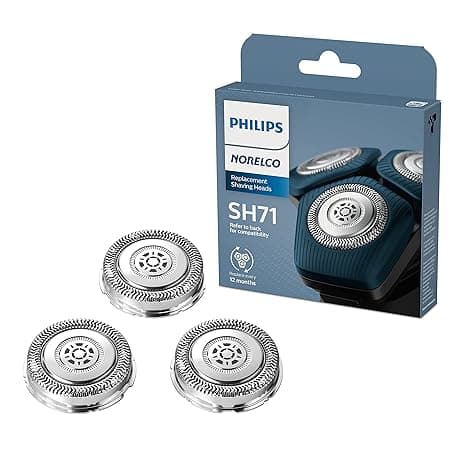
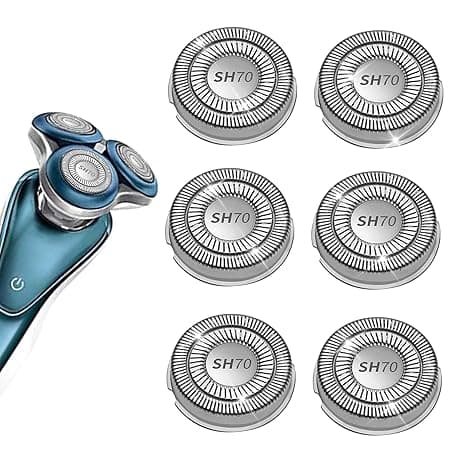
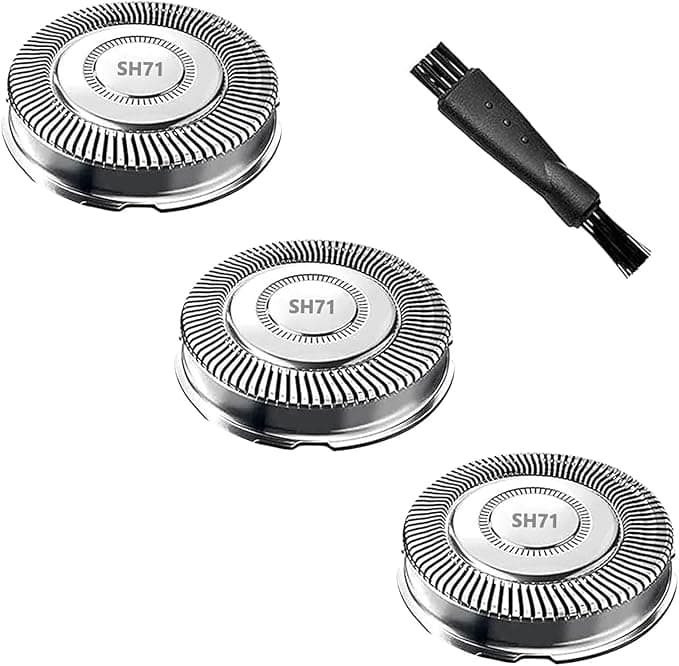
Here's the math that got me. A genuine Norelco replacement head — the SH70-style cassette — runs around $45 to $55 depending on where you catch it, and that's if it's actually in stock and not some marketplace markup. This compatible head I picked up was about $22. Call it $23 with the dumb little shipping rounding. So I'm looking at roughly half price for the part that does the exact same job: spin three little circular cutters and shave my face.
And you replace these things every year-ish if you shave most days. Philips says swap them every two years; in real life, if you're using it daily, the cut quality drops off noticeably before that. So over the life of the shaver you're buying this part multiple times. The difference between paying $50 a pop and $23 a pop, three or four times, is real money — that's the cost of a whole second shaver, basically, just in head replacements you didn't have to overpay for.
Install — genuinely a 30-second job
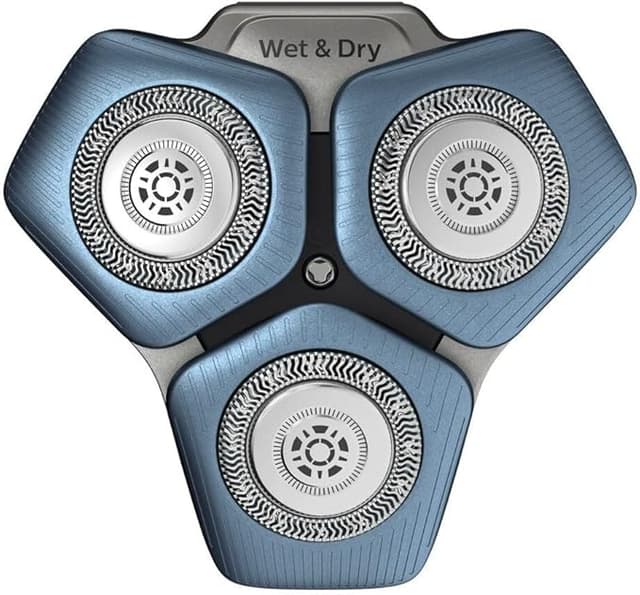
If you've never done this, don't overthink it. You press the two release buttons on the head, the old cassette pops off, and you set it aside. The new one goes on the same way — line it up, push until you get that snap I was going on about. The only step people skip and shouldn't: put a single drop of light machine oil on the cutters before your first run. One drop. It cuts the friction way down and the first shave comes out smoother and quieter. I forgot the oil the first time and the new head ran a little louder and warmer than I liked. Did the oil the next morning and it settled right down.
No tools, no fiddling with screws. The frame fit my Series 7 housing without any forcing, which is not always a given with aftermarket parts — I've had compatible heads for other devices where I had to really lean on them to seat. This one dropped in like it belonged.
The honest downsides
Okay, here's where I earn your trust. It's not a flawless OEM clone, and I'd be lying if I said it was.
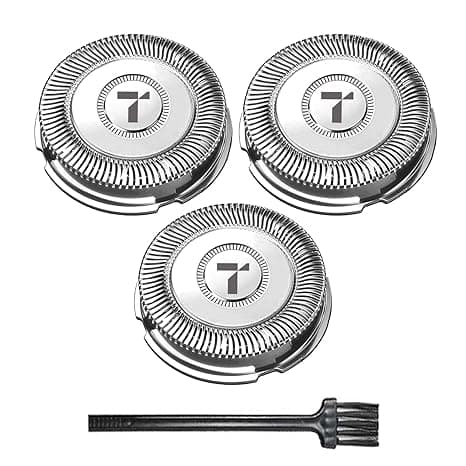
The plastic is the giveaway. Hold the genuine cassette and this one side by side and the aftermarket frame feels a touch lighter, a little hollower. It doesn't feel cheap in your hand exactly, but you can tell it wasn't molded to the same tolerance. For the first two or three days there was a faint plastic smell when the shaver warmed up — not strong, but I noticed it the first couple of mornings. It aired out and was gone by day four. Didn't affect the shave at all, just worth knowing so you're not surprised.
Performance-wise: on a normal day of one-to-two-day stubble, I genuinely cannot tell this apart from the original. Same close shave, same comfort once it broke in. Where it falls a hair behind is the heavy stuff — if I let it go four or five days and there's real growth, the OEM head powered through in one pass and this one wanted a second pass over the same spot. Not a dealbreaker, but if you're a guy who shaves a week's worth of beard off at once, you'll feel the small difference. For daily or every-other-day shaving? No difference I could find.
The packaging is also nothing — a thin blister card, no fancy box. Doesn't matter for something you're going to snap in and throw the wrapper away, but if you're the type who judges a product by its box, adjust your expectations down.
Why a dead head actually matters
This is the part guys underrate. Running worn cutters isn't just an annoyance — it's why your face hurts. Dull blades drag hair instead of cleanly cutting it, and that tugging is what causes the burn, the bumps, the irritation you blame on your skin or your aftershave. Nine times out of ten it's not your skin. It's the head. A fresh cassette, even a $23 one, fixes the actual problem instead of you buying more soothing balm to treat a symptom.
Who should skip this — and why I keep buying it
Buy the genuine Norelco head if you mow down heavy, multi-day growth regularly and want that single-pass power, or if you just sleep better with the factory part and the extra thirty bucks doesn't register. No shame in that.
But for me — daily shaver, normal stubble, allergic to overpaying — this compatible head does the job I need at half the price. It fit right, clicked in clean, shaves my face as well as the original after the first-week break-in, and the only real cost is a faint smell that's gone in a few days and slightly slower work on heavy growth. For a $23 part restoring a shaver I'd otherwise have been tempted to replace, that's an easy call. I've bought this style of head more than once now, and I'll do it again the next time mine goes dull.