Troubleshooting & Analysis
A new Series 7 is $180. The replacement head is $34.
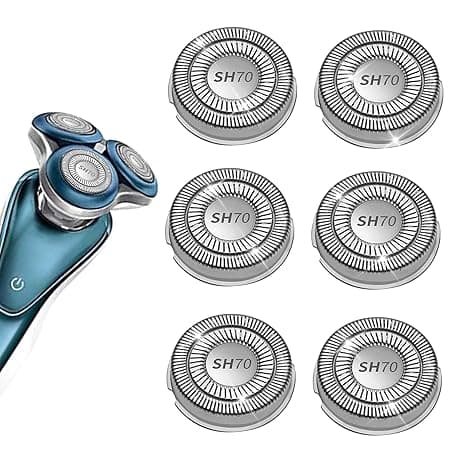
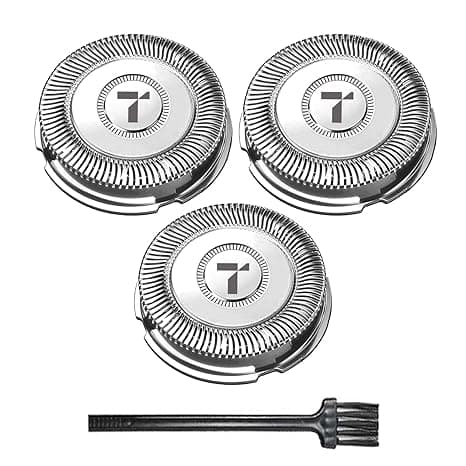
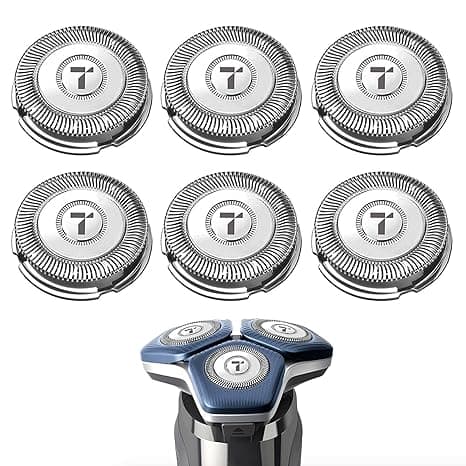
That was the number that stopped me. My Norelco Series 7 had gotten miserable — tugging hair on my jawline, leaving that patchy stubble under the chin no matter how many passes I made. I almost did the dumb thing. I almost bought a whole new shaver. Walked into the math: a fresh Series 7 runs around $180 depending on the week, and I was about to drop that because the cutting heads were shot. Then I actually looked. The thing wearing out — the blades — is a part you can swap. A compatible replacement cassette for the SH70-style head was sitting there for about thirty-four bucks.
One-fifth the price to fix the exact problem. I bought the cheap one. Here's how that went.
What's actually dying when your shave goes bad
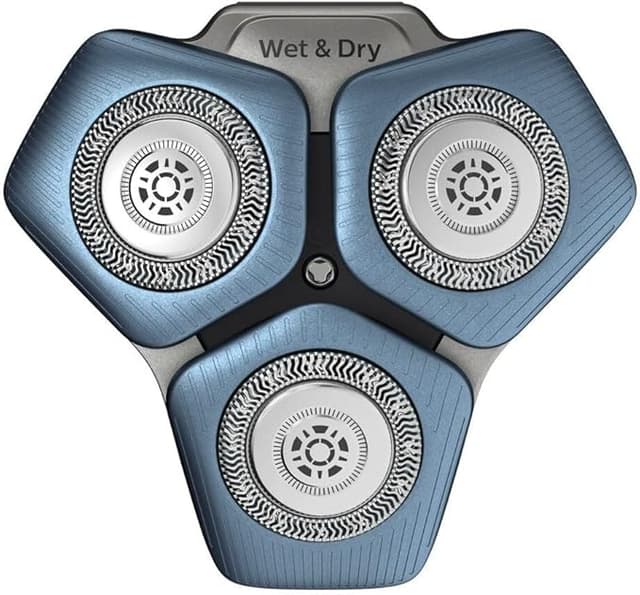
People think the motor's the heart of an electric shaver. It isn't, not for shave quality. It's the three rotary heads — the little spinning blades under those circular guards. They dull. Philips will tell you to replace them roughly every two years, and honestly that's about right; mine was pushing three and the difference was obvious in the mirror every morning. Dull blades don't cut hair cleanly. They grab it, pull it half a millimeter, then shear it. That pull is the razor burn. That's the redness on your neck an hour later. It's not your skin getting sensitive — it's the blades failing and your face paying for it.
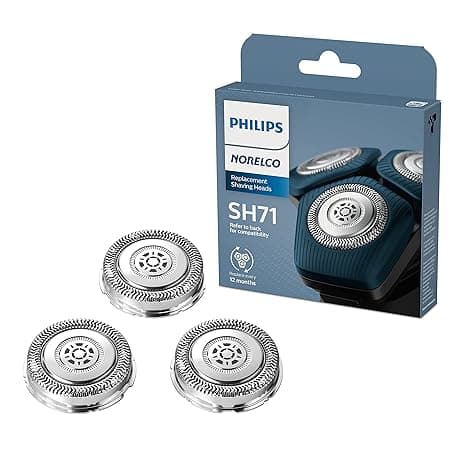
So the question I had wasn't "is this compatible head as good as a brand-new shaver." It was simpler: does a $34 third-party cassette cut as clean as a $50-something genuine Philips one? Because that's the real comparison. OEM replacement heads aren't cheap either — the genuine SH70 set is usually $45 to $55. The compatible undercuts it by fifteen, twenty dollars.
The swap takes about ninety seconds
I was braced for fiddling. There wasn't much. You press the release buttons on the head frame, the old cassette lifts out, the three worn discs come free. The new cassette snaps into the frame — and I do mean snaps, you feel the click on each of the three when it seats right. Click, click, click. Then a single drop of shaver oil across the heads so they run smooth from the first pass. Frame goes back on the shaver. Done.
The one thing I'll flag on fit: the frame on the compatible set sat a hair looser than the original Philips frame did. Not loose enough to rattle or move during a shave — it locked in fine — but if you wiggle the head with your finger there's a touch more play than the genuine part had. Did it affect anything? No. Four months in, no shifting, no noise. But I noticed it, so you should know.
How it actually shaves
First morning, the difference was almost startling. The tug was just — gone. Hair that the old blades had been yanking, these cut on the first pass. My neck, which is the worst part of my face for irritation, came out clean and stayed calm. No burn that afternoon. That alone justified the thirty-four dollars.
Where's the gap? It's small and it's real. The genuine Philips heads, when they were new, gave me a marginally closer finish on the very flat part of my cheek — the kind of close where you run your hand up and feel nothing. With the compatible cassette I get maybe 95% of that. On my cheeks I sometimes feel the faintest texture going against the grain. For everyday it's a non-issue; I never re-shave. If you're someone who needs baby-smooth for a wedding photo, OEM might edge it out by a whisker. For getting ready for work, I genuinely cannot tell the difference once I'm out the door.
The other small thing: the plastic on the cassette housing feels cheaper than Philips. The packaging definitely was — thin blister card, no fancy case. None of that touches the blades, which are the part doing the work, but if you like things to feel premium in the hand, manage your expectations.
Don't let it ride too long
Quick word on why this matters beyond comfort. A shaver head that's past its life isn't just annoying — those grabbing blades are what create ingrown hairs and the little inflamed bumps on the neck, because they're snapping hair below the skin line instead of slicing it flush. I let mine go way too long out of pure laziness and my neck was a mess for months. Swapping the head fixed a skin problem I'd been blaming on everything else. So when the shave starts feeling like work, that's the signal. Don't tough it out for another year.
Who should buy genuine instead
If your shaver's still under Philips warranty, use the genuine heads — third-party parts can give them an excuse to deny a claim, and that's not worth saving fifteen bucks over. And if you're the closest-shave-possible type who'll notice that last 5%, pay up for OEM. Fair.
For everyone else? Look, I went in skeptical — I figured cheap meant a worse shave and I'd be back ordering the real ones in a month. That's not what happened. Four months on the same compatible cassette, my neck's calm, the tug is gone, and I spent thirty-four dollars instead of a hundred and eighty on a new machine I didn't need. I'd buy it again. I already told my brother to do the same thing before he tossed his perfectly good Series 7. Fix the blades, keep the shaver.