Troubleshooting & Analysis
I didn't believe a $20 replacement head could be fine either
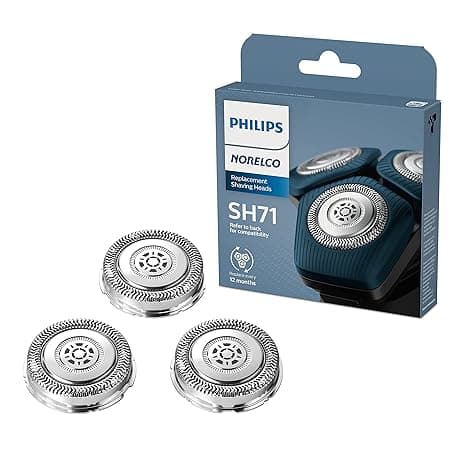
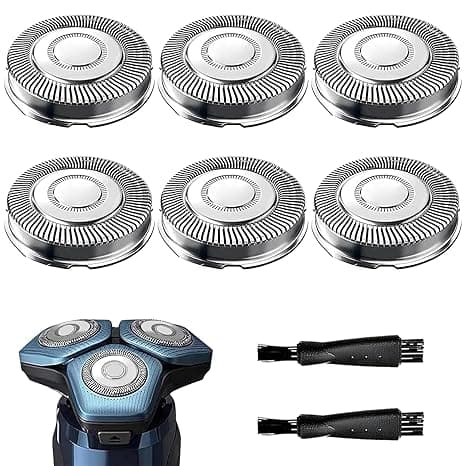
Here's where my head was at six months ago: my Norelco Series 7 had started pulling instead of cutting, the shave felt like dragging a butter knife across my jaw, and I was standing in the bathroom holding the OEM replacement head box thinking, no way. The genuine Philips cassette wanted nearly half of what I paid for the whole shaver. And right next to it online sat a compatible head for around $20. My honest first reaction was that the cheap one had to be junk — too-soft blades, a frame that wouldn't seat, the kind of thing you toss after two weeks. I'd been burned by knockoffs before. So I bought the OEM that round. Paid the tax. Felt responsible about it.
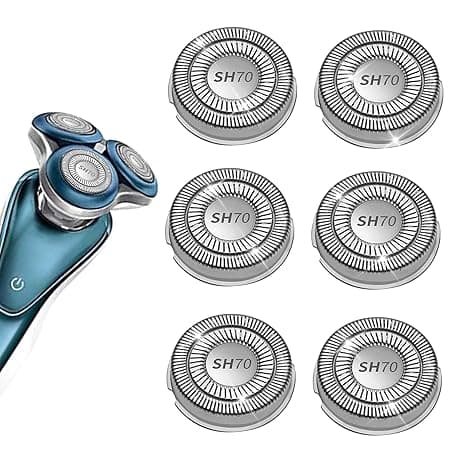
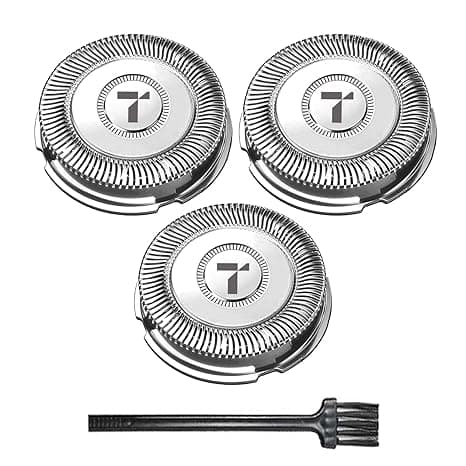
Then a few months later it was time again, and I was tired of the markup. I ordered the compatible one to prove myself right. It's now been running on my Series 7 for about four months, every other morning, and I owe you the unfiltered version of how that went — including the parts that annoyed me.
What the OEM costs you, every single year
The thing nobody says out loud about the Series 7 is that the shaver was never the expensive part. The heads are. Philips will tell you to swap the cutting cassette roughly once a year, and if you stick to genuine, you're handing over something close to the price of a brand-new mid-tier shaver every twelve months just to keep the one you own working. The compatible head I bought ran me about $20. That's the whole game right there. Over three years of normal use, OEM versus compatible isn't a few dollars — it's the difference between a tank of gas and a decent dinner out, paid over and over for a part that spins and cuts hair.
And let me kill the worst myth first, because it's the one that kept me paying up: a worn head is not a cosmetic problem you can ride out. Dull blades in a Series 7 don't slice the hair clean — they grab it and yank it up before the cut. That's the razor burn. That's the redness on your neck and the stinging after. People assume their skin got sensitive or their technique slipped. Half the time the blades are just shot, and a fresh cassette fixes overnight what a fancier aftershave never will.
Fit and install: does it actually click in?
This was my real fear. A shaver head that's a hair off doesn't just shave badly — it rattles, it lets stubble jam under the foil, and worst case it doesn't lock and you're chasing parts around the sink. So I went slow.
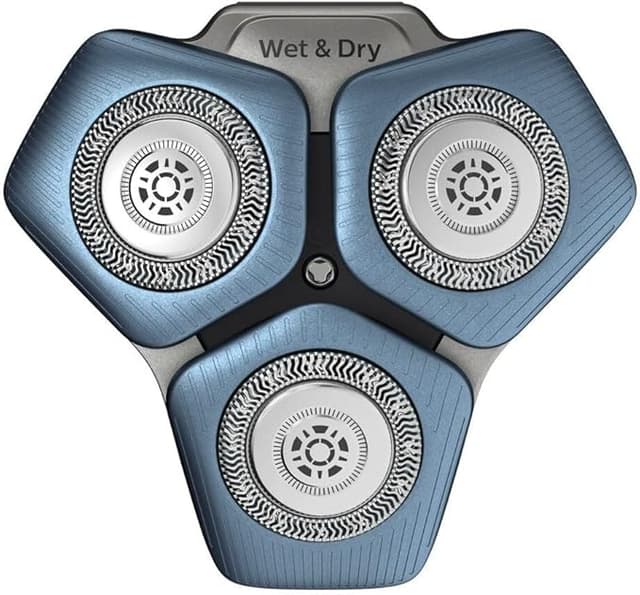
The swap itself is genuinely a thirty-second job. You press the release buttons to pop the old head off, line the new cassette up, and snap it into place. On mine, the new one seated with a clean, firm click — the same reassuring click the genuine head gives, no wiggle, no gap at the rim. I added a single drop of the oil that came with it before the first run, which I'd tell anyone to do regardless of which head they buy; it makes that first pass noticeably smoother and quiets the motor down.
Was the fit absolutely identical to OEM? Not quite, and I'm not going to pretend. The frame tolerance felt a touch looser when I held both side by side — a barely-there bit of play before it locked. Once it clicked home it was solid and stayed solid for four months, but if you're the type who notices that kind of thing, you'll notice it for about five seconds during install. Then you forget about it, because it shaves.
The honest performance take
Day to day, on a normal two-day growth, I genuinely cannot tell this apart from the genuine head. Same closeness on the cheeks, same comfortable glide, same clean neckline. That's the part that surprised me most, given how sure I'd been that the cheap one would feel cheap on my face.
Where it's a touch behind: heavy growth. If I skip three or four days and there's real length to mow down, the compatible head needs a second pass over the jaw and chin where the OEM tended to clear it in one. It's not a failure — it's maybe ten extra seconds — but it's real and you deserve to know it. For someone who shaves every day or every other day like I do, you'll never feel it. For someone going a week between shaves, the OEM's edge holds up a little better under load.
The genuine downsides — all of them
I promised the annoying parts, so here they are. First: that new-plastic-and-oil smell. The first two or three days, the head had a faint chemical whiff to it during use — nothing strong, gone completely by the end of the first week, but it's there at the start and it reads cheap. Second: the packaging is bare-bones. No satisfying box, no little branded sleeve, just the cassette and a sliver of oil in plain plastic. Doesn't change the shave one bit, but if part of you is paying for the experience of unwrapping a Philips product, you're not getting that here.
Third, and this is the one to take seriously: aftermarket quality is less consistent batch to batch than OEM. Mine was great. I've read enough to know a small number of people get one with a foil that's flimsier or blades that dull faster than expected. The way I'd protect against that is simple — buy the one with a real return window and actually inspect it the first week. If the foil dents under light pressure or it's pulling hair after a couple of shaves, send it back. Mine never gave me a reason to.
So who should still buy OEM — and what I actually grab
Buy genuine if you've got a thick, fast-growing beard you only tackle once a week, if you've had a bad aftermarket experience that soured you and the few extra dollars buys you sleep at night, or if you simply want zero variables. That's a legitimate choice and I won't talk you out of it.
For me, though? I was the guy clutching the OEM box swearing the $20 one was garbage. Four months and a lot of comfortable shaves later, the compatible head did the same job — restored my Series 7 from hair-yanking to clean and close — for a fraction of what Philips wanted. The faint smell faded, the fit held, my neck stopped burning. I'd buy it again, and the next time it's due, I will.