Troubleshooting & Analysis
The math that finally got me to stop buying new shavers
A new Norelco Series 7 runs you what, $180, $200 on a normal day? The replacement head — the actual cutting part that wears out — costs a fraction of that. That's the whole con, honestly. The shaver doesn't die. The blades go dull, the cut quality tanks, and you start eyeing a brand-new unit on Amazon because it feels like the thing is shot. It isn't. You're about to spend two hundred bucks to replace a part that costs a small fraction of it.
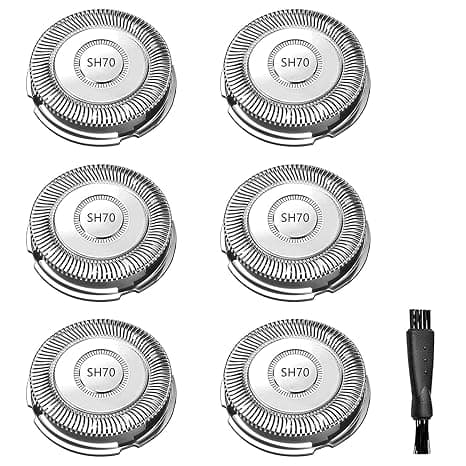
I know because I did exactly that once. Tossed a perfectly good Series 7 body because my shave had gotten miserable, then a year later figured out I could've just swapped the head. Lesson learned the expensive way. So when this one started pulling again, I bought a compatible replacement cassette instead of a whole new razor, and I've been running it daily for about five months now.
What "dull" actually feels like — and why it's not in your head
Here's the thing nobody tells you. When the blades in a Series 7 go, they don't cut hair cleanly anymore — they grab it and yank. That tug you feel at the jawline, that raw burn on your neck after, the spots you have to go over four times? That's not your technique. That's metal that's lost its edge pulling hair instead of slicing it. Mine got bad enough that I was dreading the morning shave, which is a dumb thing to dread.
Dropped in the compatible head and the difference was immediate in a way I wasn't expecting. First pass, hair gone, no second-guessing. The razor-burn patch on my neck cleared up within a week because I wasn't going over it five times anymore.
The price gap, laid out plainly
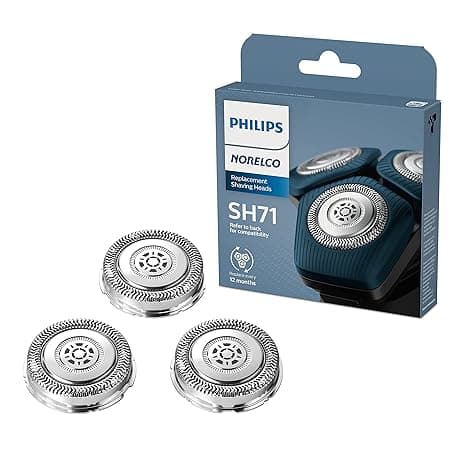
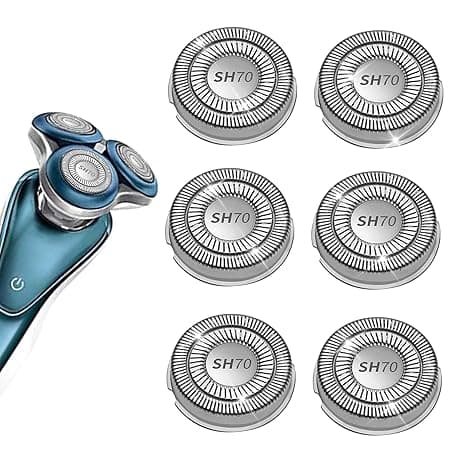
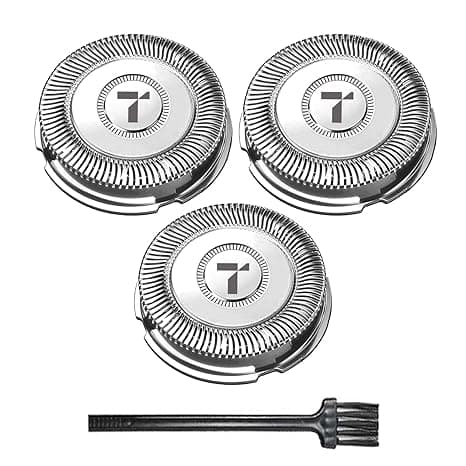
So you've got three options when your shave goes bad. Buy a new Series 7 — most expensive, most wasteful, and you're throwing out a working motor and body. Buy the genuine Norelco replacement head — fine, it works, but Philips prices those things like they know you're cornered. Or buy a compatible cassette that snaps into the same housing and does the same job for noticeably less.
I've used both the OEM head and the compatible one on the same shaver, back to back, so this isn't a guess. On a yearly basis — and you really should be swapping the head roughly once a year if you shave most days — the compatible route saves you enough that over the life of one shaver body it adds up to real money. Not coupon-clipping money. Skip-a-whole-new-shaver money.
Does it actually fit? The install
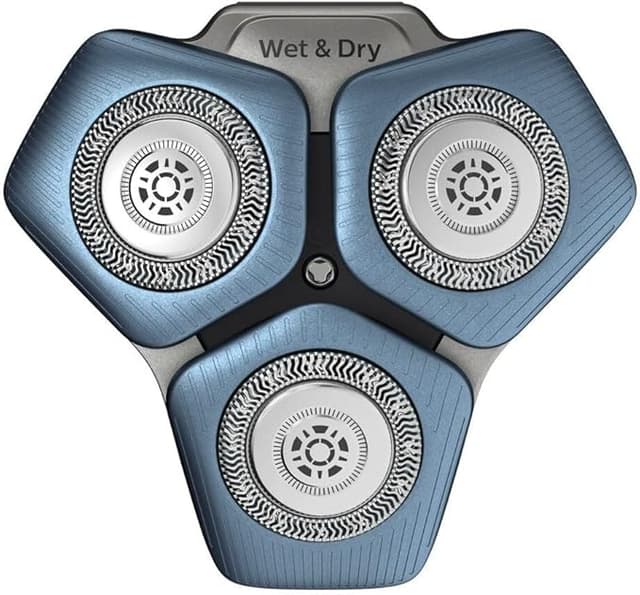
This is where people get nervous with anything aftermarket, and fair enough. The Series 7 head comes off by pressing the release buttons — the old cassette pops out, blades and all. The compatible one snaps into the same seat. You feel the click. If you don't feel a clean click on both sides, you've got it cocked at an angle; back it out and reseat it square.
One thing I'll always do, OEM or not: put a single drop of light oil on the blades before the first run and let it spin a second. Foil heads run smoother and quieter with a touch of oil, and the compatible cassette especially seemed to want it for the first couple of shaves. After that it settled in.
Fit was honest-to-goodness fine. The cassette sits flush, the head pivots like it should, no rattle, no gap where stubble collects. I was braced for some wobble and didn't get it.
Where it's a touch behind — because it is, a little
I'm not going to tell you it's identical to genuine Norelco, because I've used both and it isn't, quite. The OEM head, fresh out of the box, has a slightly closer first-pass cut — maybe five percent closer, the kind of thing you only notice if you're paying attention and shaving against the grain on day one. The compatible one closes that gap after a few shaves as it breaks in, but out of the package the OEM has a hair more bite.
The packaging is also cheap. Thin plastic, no fancy case, looks nothing like the Philips box. Doesn't matter once it's in the shaver, but if you like things to feel premium before you open them, you've been warned. And there was a very faint plasticky smell the first day that aired out and was gone by day two.
Why a dull head is more than just annoying
Worth saying plainly: running worn blades isn't only a comfort thing. Dull foils mean more pressure, more passes, more dragging across the same patch of skin — and that's how you get the irritation, the ingrowns, the angry neck. A sharp head shaves with almost no pressure. You're solving a skin problem, not just a convenience one. People who keep "powering through" a bad head usually have the worst razor burn, and it's entirely self-inflicted.
So who should buy what
If you shave against the grain every single day and you genuinely notice a five-percent difference in closeness — or you're the type who'll resent anything that isn't the original part — buy the genuine Norelco head and don't think about it again. No shame in that.
For the rest of us: a compatible cassette that snaps into the same housing, restores the shave to where it should be, and costs meaningfully less than OEM — and a small fortune less than a whole new shaver — is the obvious call. I've now bought the compatible route twice, and I'll do it again the next time mine goes dull. My neck's happier, my wallet's happier, and the shaver I almost threw out is still running like the day I got it.