Troubleshooting & Analysis
Standing in the drugstore aisle, holding two boxes
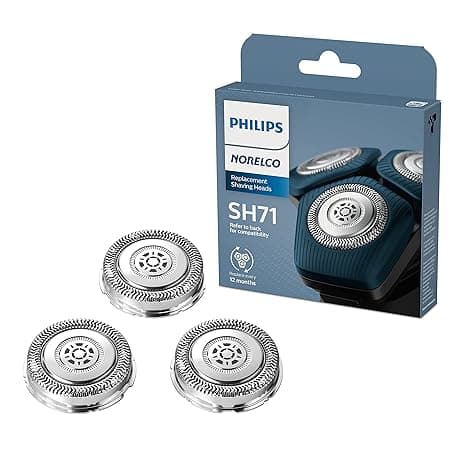
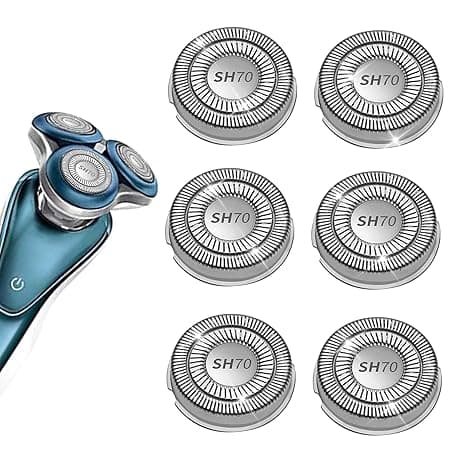
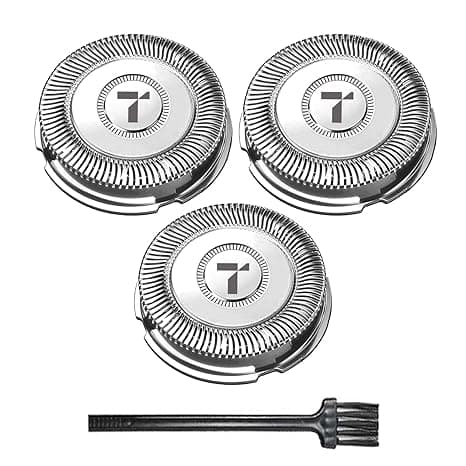
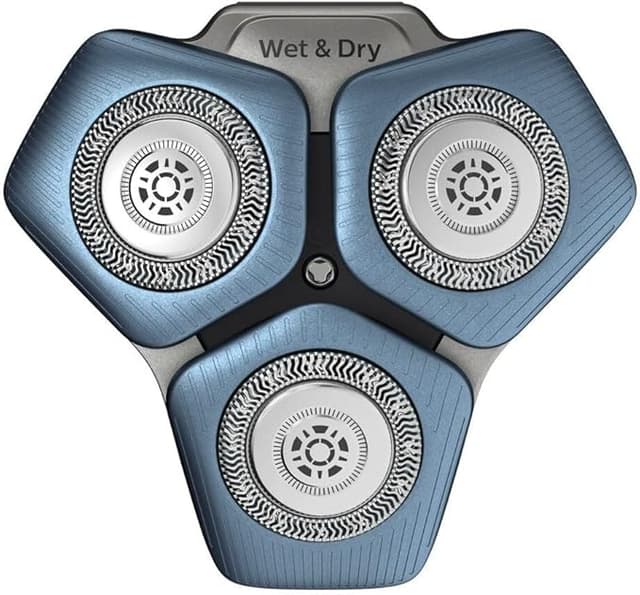
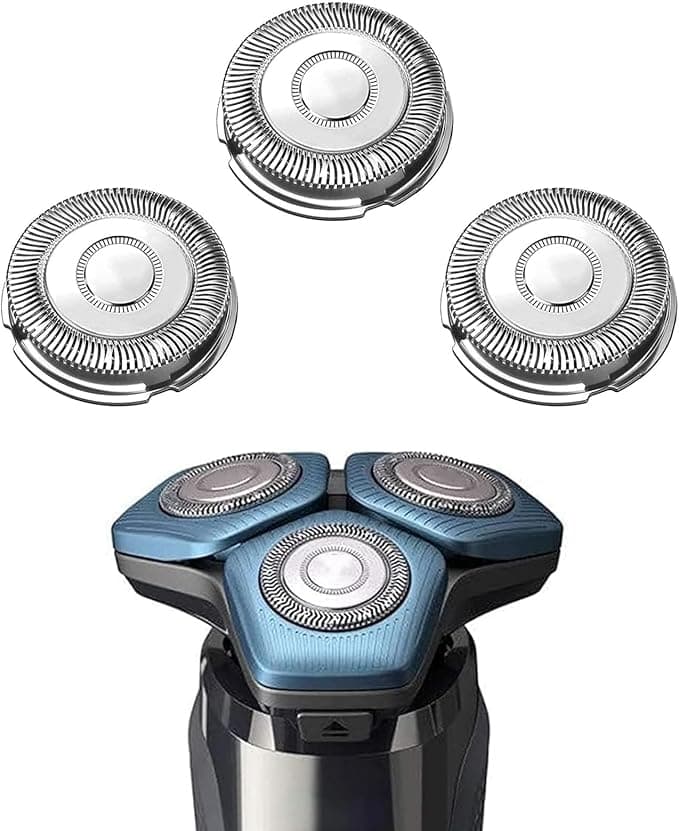
I had the genuine Norelco SH70 head in my right hand and a compatible replacement cassette in my left, and the price tags were doing that thing where you start to feel a little stupid for even considering the cheap one. The OEM head was sitting at around $40. The compatible one? Twenty-something. Same three-blade rotary layout, same little snap-in cassette, same promise. And I stood there longer than a grown man should stand in a drugstore aisle, because my Series 7 had gotten genuinely bad — every pass felt like the blades were tugging hairs out instead of slicing them, and my neck would go red and angry by the time I rinsed off.
So I'll tell you what I told myself: it's a shaver head, not a heart valve. I bought the cheap one. Here's how that actually went after a few months of real mornings.
The math that pushed me over
Norelco wants you to swap the cutting head on a Series 7 about once a year, give or take, depending on how coarse your beard is and how often you shave. Mine's daily, fairly thick, so a year is honestly optimistic for me — I get maybe ten good months before performance starts sliding.
At OEM pricing that's roughly $40 a year, every year, for as long as you keep the shaver. And the Series 7 itself is a good machine — no reason to toss it. But that's the trap, right? The razor-and-blades model in literal shaver form. They sell you a solid handle and then nick you on the consumables forever. The compatible cassette I grabbed was about $22. Call it an $18 gap per replacement. Over five years of owning this shaver, that's the difference between roughly $200 and around $110 in heads. Not life-changing money. But it's also not nothing, and it's money for the exact same job.
That was the whole argument, standing there. Same job. Less money. The only question left was whether "same job" was actually true.
Does it seat right? Mostly yes — with one honest caveat
The install is stupid-simple and I want to be straight that the compatible one did not change that. You press the two release buttons on the head, the old cassette pops off, and the new one snaps into place with a click you can feel through your thumb. I added a drop of light oil to the blades before the first run, which I do with OEM too — it makes the first week smoother and quiets that faint whine a fresh head sometimes has.
Here's the caveat, because I promised myself I'd give you the real one. The compatible cassette seated, but the fit against the shaver frame was a hair looser than the genuine Norelco. Not loose enough to rattle or wobble in use — once it clicked, it clicked — but when I pulled it off to clean it that first week, it came away with a little less resistance than I'm used to. If you're someone who fully disassembles and rinses the head every few days, you'll notice that the tolerances aren't quite OEM-tight. It never popped off on its own. But I noticed.
How it actually shaves
First two or three days, there was a faint smell — that new-plastic, slightly chemical thing you get off cheaply packaged parts. The box itself was flimsy, thin cardboard, the kind of packaging that tells you exactly where they saved money. I let the head air out overnight before the first shave and by day three the smell was gone entirely.
The shave itself? Genuinely close. On the cheek and jaw — the easy real estate — I could not tell you which head was on the shaver. Clean, fast, no tugging, none of that hair-pulling misery that sent me shopping in the first place. That problem was fully solved the morning I put it on. A dull head doesn't cut, it yanks, and that's where the razor burn comes from; a fresh edge fixes it instantly whether it cost $40 or $22.
Where it's a touch behind: the neck and under the jaw, the awkward-angle stuff where coarse hair grows in four directions. The OEM head gets me one-pass clean there. The compatible one wants a second pass, maybe a little more pressure, to get fully smooth. It's a small gap. But over a few weeks I learned to just do that extra pass on my neck without thinking about it, and the shave came out the same. So — a touch behind on the hardest part of the face, dead even everywhere else.
Why a dull head is actually worth caring about
This isn't just comfort. A worn rotary head is what causes most of the skin grief people blame on "electric shavers being bad." Blades that have lost their edge pull the hair taut before they finally shear it, and that tug-and-snap is what inflames the follicle and leaves you blotchy. Letting a head go too long isn't saving money — it's quietly trading your skin for it. So whichever head you buy, the real move is replacing it on schedule instead of nursing a dead one for eighteen months. The cheaper the replacement, the easier it is to actually do that on time, which is its own quiet argument for the compatible one.
Who should buy OEM instead
If you have sensitive skin and a coarse, dense neckline, and that second pass is going to bug you every single morning — pay the $40. Get the genuine SH70. The under-jaw performance is a real, if small, edge, and if your face is the kind that punishes you for any compromise there, it's worth eighteen bucks to not think about it. Same goes if you're a daily full-teardown cleaner who's going to be annoyed by the looser fit.
For everyone else? I put the compatible cassette on a good Series 7 that didn't deserve to be retired, it fixed the tugging the first morning, and it's shaved me fine for months. The frame's a hair loose, the neck takes one extra pass, the box was cheap and it smelled for two days. All true. And for around twenty bucks less, doing the same job my shaver needed done, I'd buy it again — and the next time mine goes dull, I will.