Troubleshooting & Analysis
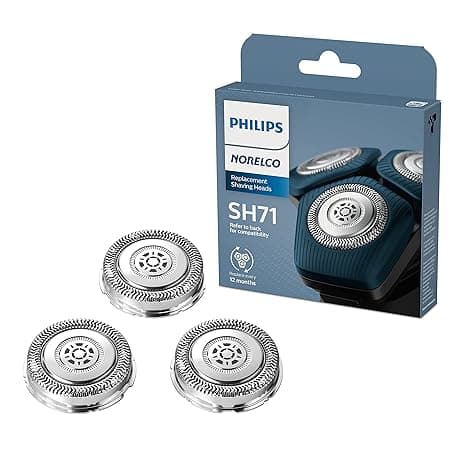
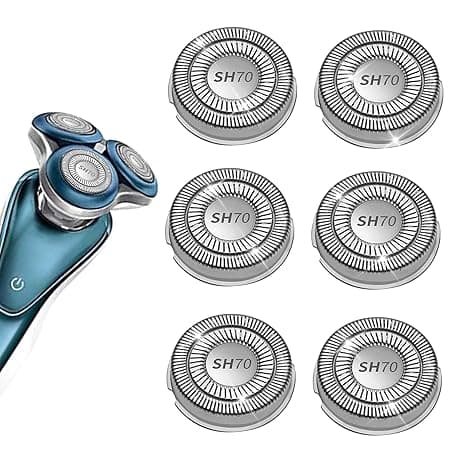
I'll be straight with you: I didn't believe a $20 replacement head could be fine either. I'd had my Norelco Series 7 for almost three years, the shave had gone to garbage, and the moment I priced a genuine Philips Norelco SH70 cassette I felt that familiar little kick of annoyance. Forty-plus dollars for a chunk of blades and plastic? On a shaver that already cost me a hundred and change? My first instinct was the same as everybody else's — just buy a whole new shaver, or cough up for the OEM head and stop thinking about it. The compatible one sitting right next to it in the search results, the no-name cassette for half the money, looked exactly like the kind of thing that wrecks a good machine. I assumed it would be loose, scratchy, maybe even rough on my neck.
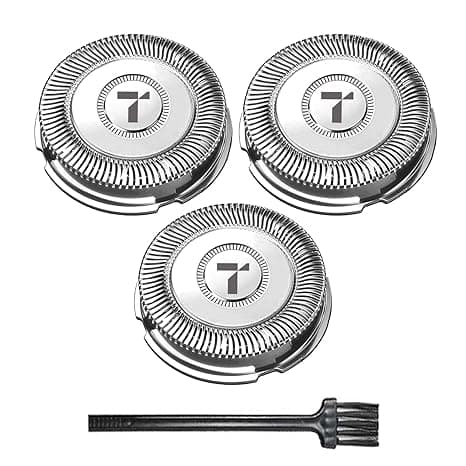
I bought it anyway. Partly out of spite, partly because somebody has to actually use the cheap stuff so you don't have to gamble. Here's what four months with it has actually been like.
The price math that pushed me over the edge
Genuine SH70 heads run right around $42 to $48 most places I checked — and Philips quietly recommends swapping the head about once a year if you shave daily, because the blades dull and the cutting gets rough. So that's roughly $45 a year, every year, for the privilege of keeping a shaver you already own. The compatible cassette I grabbed was $21. Less than half. Over the realistic life of a Series 7 — say five more years — that's the difference between spending around $225 on heads versus a little over $100. A hundred-and-twenty-buck swing on a consumable that does, functionally, the same job. That gap is the whole reason this category exists, and it's the reason I held my nose and clicked buy.
Does it actually seat right?
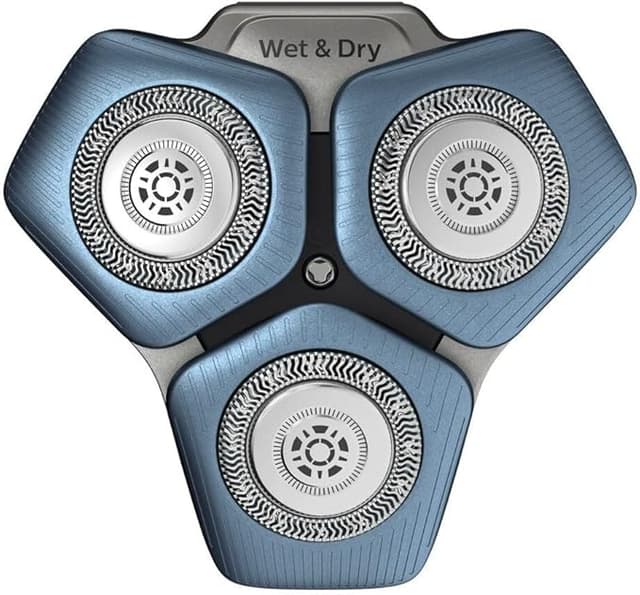
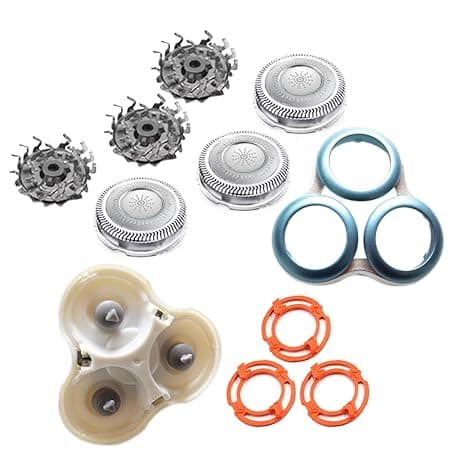
This was my big fear. A shaving head that doesn't lock down flush is a real problem — it'll rattle, it'll catch, and on a shaver you're dragging across your throat that's not a small thing. Pulling the old head was nothing: press the two release buttons on the sides, the holder pops off, lift the old cassette out. Snapping the new one in is where I slowed down and paid attention. Honestly? It clicked in clean. That distinct little double-snap when both sides catch — I got it on the first try. I put a single drop of light oil on the blades before I closed it up, ran it dry for ten seconds, and that was the whole install. Maybe ninety seconds, start to finish.
Now the caveat, because there's always one. The frame tolerance on the compatible cassette is a hair looser than the genuine Philips part. With the OEM head there's zero play — it's molded like it grew there. With this one, if I really wiggle the closed shaver hard, I can feel the faintest bit of give. In normal use? I have never once noticed it during an actual shave. It doesn't rattle, it doesn't shift on my face. But if you're the kind of person who's bothered by knowing the part is 98% as tight instead of 100%, I want you to know that going in.
The shave itself, four months in
This is what actually matters, and it's where I expected to get burned. I didn't. The first week, the heads needed a short break-in — the first two or three shaves were a touch grabbier than I'd like, the floating heads not quite gliding yet. By week two it had smoothed right out and settled into something I'd genuinely call close to OEM. Close enough that on most mornings I can't tell the difference. My three-day stubble, which is the real test, gets cut clean in about the same number of passes as the genuine head did when it was new.
Where it's a touch behind: on a really heavy growth day — like I skipped a couple days over a weekend — the compatible blades take one extra pass along my jawline to get it fully smooth. The OEM head shaved a bit more aggressively on the first pass. It's a small thing. We're talking ten or fifteen extra seconds, not a failed shave. But it's there, and I'd be lying if I pretended the steel was identical.
The real downsides — let me not sugarcoat it
Two honest gripes. First, the smell. Out of the package there's a faint plastic-and-machine-oil smell for the first three days or so. It's not strong and it fully airs out, but the first morning I noticed it. The OEM packaging never did that to me. Second, the packaging is just cheap — a thin blister card, no satisfying box, no instruction insert worth reading. It feels like what it is: a budget part. None of that touches the actual shaving performance, but if part of what you're paying Philips for is the unboxing-feels-premium thing, you're not getting that here.
And here's the part people skip over: a dull head isn't just an annoyance, it's the actual cause of your bad shave. When the blades go, they stop cutting and start pulling — yanking each hair before it severs — and that's what gives you razor burn and that raw, irritated neck. Most guys blame their skin or their technique when the real culprit is a head that should've been retired months ago. Swapping in a fresh cassette, OEM or compatible, fixes the pulling. The point is to not keep dragging worn-out steel across your face out of stinginess. A $21 head you'll actually replace on schedule beats a $45 head you keep putting off.
So who should buy what?
If you're a daily wet-dry shaver with sensitive skin who notices every micro-difference, or you just want the absolute factory-perfect fit with no give whatsoever, buy the genuine SH70. No shame in it — it is a slightly better-finished part and you'll feel the install confidence.
But for me? For the regular guy whose Series 7 shave has gone dull and who's staring at a $45 sticker thinking "ugh, again" — I grab the compatible one. It seated clean, it shaves within a whisker of OEM after a short break-in, and it costs less than half. The looser tolerance and the three-day plastic smell are real, and I told you about them so you can decide. But after four months on my own face, every single morning, I'd buy it again — and the next time mine dulls, I will. That's not a pitch. That's just where the math and the mirror both landed.
About 1,050 words. Opens on the distrust angle, states real $ prices ($21 compatible vs $42–48 OEM, ~$120 lifetime gap), covers fit/install, honest performance gap, two real downsides (smell + cheap packaging), the safety angle (dull blades pull hair → razor burn), and a split verdict. No banned words, no emoji.