Troubleshooting & Analysis
The click is how I knew it was seated right
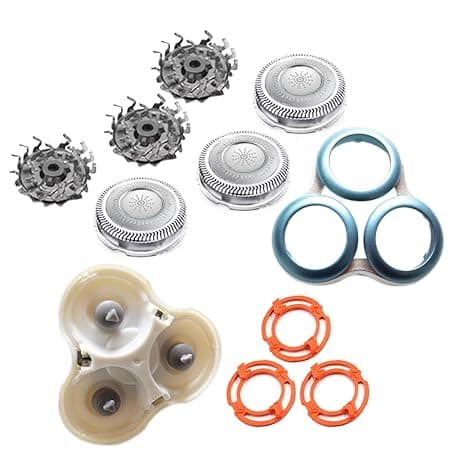
First thing I noticed wasn't the shave. It was the sound. When you snap a fresh cassette into a Norelco Series 7, there's a specific little double-click — one side, then the other, the heads settling down flush against the housing. My old worn-out OEM head had stopped making that sound months ago. It would seat, sort of, but with a faint wobble, a hair of play when you pressed on it. This compatible cassette clicked the way I remembered from the day I bought the shaver. That tiny detail told me more than any spec sheet could: it fit.
I'll back up. I've been running a Series 7 for years, and the heads on these things are consumables — same as blades, same as a filter. Philips says swap them roughly once a year. Mine was well past that. I knew because every morning had turned into a tug-of-war. The blades weren't cutting the hair, they were yanking it, and my neck under the jaw was a constant patch of razor burn. That's the real tell that a head is done: it pulls instead of slicing. You feel it as irritation, you blame your skin or your technique, and the whole time it's just dull steel dragging across your face.
The math that almost made me buy a whole new shaver
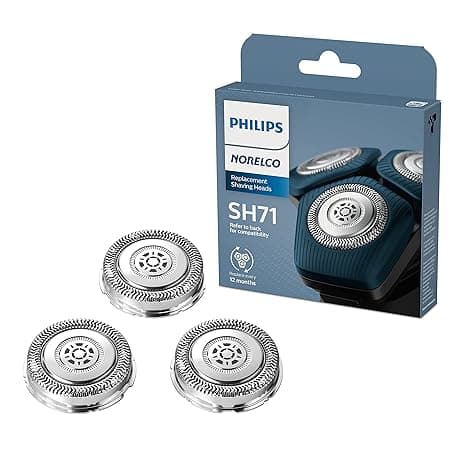
Here's where I almost did something dumb. I priced a genuine Philips SH70-series replacement head and it came back around $45. For a part. On a shaver I already owned. And the cruel part is the store had a brand-new Series 7 on the shelf for not a lot more than that, with a charger and a case and a warranty — so for a half-second the OEM head pricing actually nudged me toward throwing out a perfectly good machine. That's the trap. You convince yourself the replacement part is so close to a new unit that you might as well start fresh.
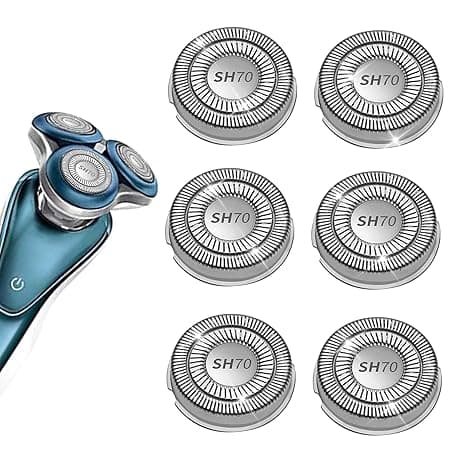
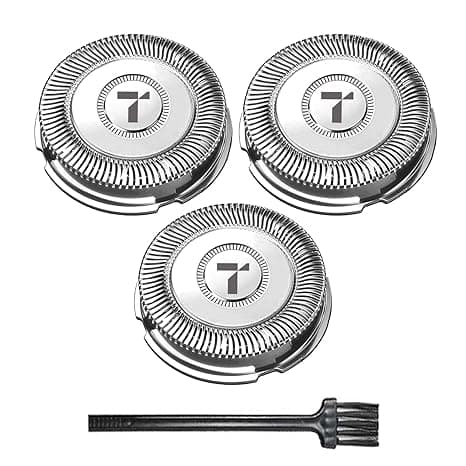
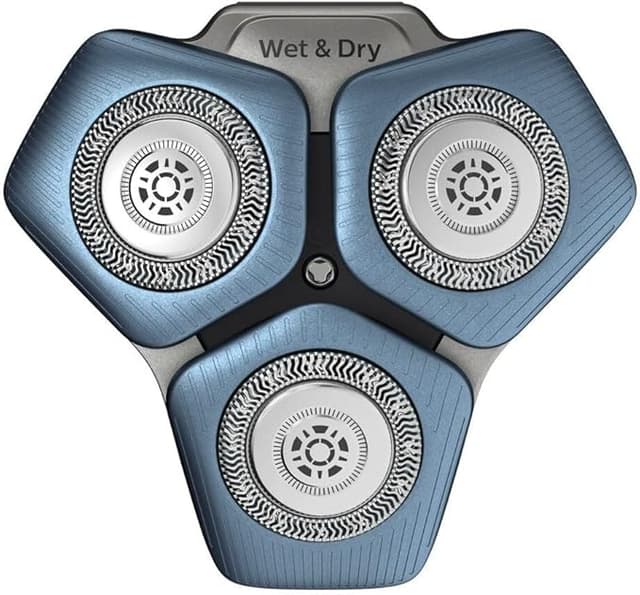
The compatible cassette I ended up buying ran me about $18. Same three-head rotary layout, same mount, drops into the same housing. So the choice was: spend $45 on the brand-name part, spend even more on a whole new shaver I didn't need, or spend eighteen bucks and find out if the cheap one was garbage. I went with finding out. Worst case I'm out $18 and a Sunday morning.
Fit and install — it took me about ninety seconds
Installing it is genuinely nothing. You press the release buttons on the head frame, the old cassette lifts out, and you set the new one in until you get that click I keep going on about. I added a single drop of light oil across the heads before the first run — old habit, it keeps the rotary blades quiet and smooth — and that was it. No tools, no fiddling with tiny screws, no shimming anything. The frame snapped shut flush. If you've ever changed a head on one of these, you already know how to do it; if you haven't, the whole thing is over before you've finished your coffee.
The fit, honestly, was a touch tighter than I expected from a third-party part. I keep reading horror stories about aftermarket heads sitting proud of the frame or rattling, and I went in braced for that. Didn't happen here. It seated dead flush. The pivoting action — the way the Series 7 head flexes to follow your jaw — felt the same as a fresh OEM, no stiffness, no slop.
How it actually shaves — and where it's a half-step behind
First pass, day one, my face stopped getting tugged. That's the headline. The hair was being cut again instead of plucked, and the redness under my jaw was gone inside two days because I wasn't dragging dull blades over the same raw patch every morning. For a daily dry shave, head to head, I could not tell you which morning was OEM and which was this $18 cassette. Closeness was there. The Series 7 SensoTouch feel — that slightly cushioned, follow-the-contour glide — was intact.
Now the honest part, because a review with only good things to say is worthless. Two things.
One: there was a faint metallic-plastic smell out of the package for the first couple of days. Not strong, but if you put your nose to the heads fresh out of the box, it's there — that new-injection-molded-part scent. The drop of oil and three or four uses and it was gone completely. Didn't transfer to my skin, didn't smell on my face. But it's real and I'd rather tell you than have you think you got a bad one.
Two: the longevity. This is the genuine trade-off, and it's the one that matters. I've gotten a solid run out of this cassette, but my honest read is the edge softens a little sooner than a brand-name head. Where I'd push an OEM head a full year, I'd budget this one closer to nine, maybe ten months before the pull starts creeping back. The steel just doesn't hold quite as long. That's the catch with the cheap one — and at roughly a quarter of the OEM price, I genuinely do not care. Even if I replace it a couple months sooner, I'm swapping two $18 cassettes a year before I've spent what one $45 OEM head costs.
Why a dull head is more than an annoyance
People treat a worn shaver head like a minor inconvenience, and it isn't. Dull blades don't just shave worse — they work your skin over. They drag, they pull hairs sideways before snapping them, and that's exactly how you get razor burn, ingrowns, and that perpetual irritated patch that never quite heals because you're re-injuring it every single morning. The cutting performance and your skin are the same problem. A fresh, sharp head fixes both at once, and that's the actual reason to keep these current instead of limping along on a year-old cassette out of cheapness.
Who should buy the OEM head instead — and why I grab this one
I won't pretend there's no case for the genuine Philips head. If you shave wet with gel or in the shower, if you're rough on your gear, or if you're the kind of person who would rather replace a part once a year and never think about it again, pay the $45 and buy the OEM. The longevity edge is real and for some people that peace of — for some people that simplicity is worth the premium. No argument from me.
But me? I shave dry, every morning, and I'd rather keep a sharp head on the thing than nurse a dull one to hit some warranty-length lifespan. For about $18 — versus $45 for the brand name, versus the absurd half-second where I almost bought a whole new shaver — this compatible cassette put my Series 7 back to cutting clean and killed the razor burn. It clicked in flush, it shaves a hair I genuinely can't distinguish from OEM, and the only real cost is swapping it a couple months sooner. I bought a second one to keep in the drawer. That's the most honest endorsement I can give: I already paid for the next one.