Troubleshooting & Analysis
Sixty bucks. For a shaver I already own.
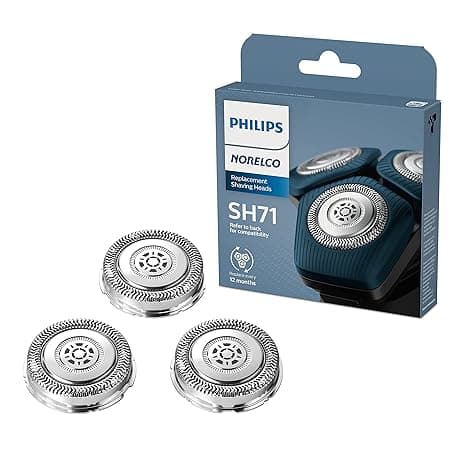
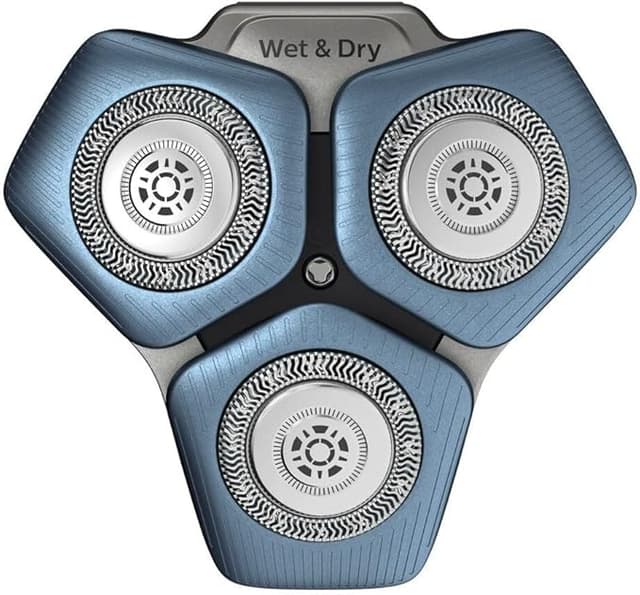
That was the number that stopped me. My Norelco Series 7 had started tugging — you know the feeling, where the blade catches a hair and pulls it instead of slicing it clean, and your neck lights up red an hour later. So I did what everyone does. I went to buy a replacement head from Philips, saw the OEM cassette sitting somewhere around $55 to $65 depending on the week, and just sort of stared at it. The whole shaver had cost me maybe ninety dollars two years back. They wanted two-thirds of that to swap three little blade units.
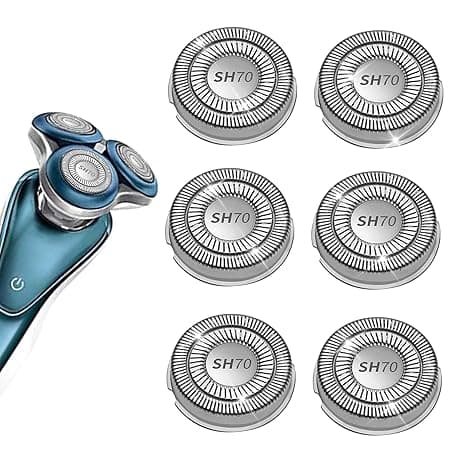
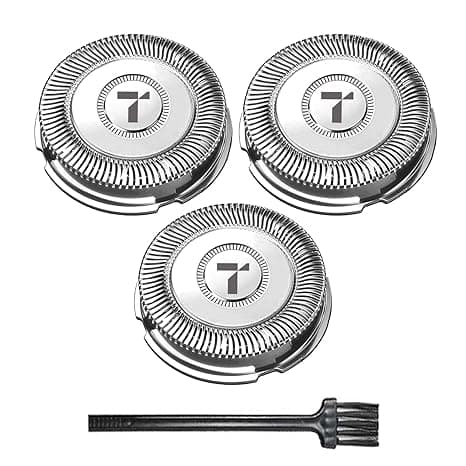
I closed the tab. Then I went looking for the compatible one, found it for right around $20, and spent the next ten minutes being suspicious of it. This is the part where I tell you whether that suspicion was warranted.
The math nobody wants to say out loud
Here's the thing about a shaver head — it's a wear part. The blades dull, the cutting screens thin out, and Philips will tell you to replace the whole cassette every year or so. Follow that on OEM pricing and you're looking at $55-plus, every single year, basically forever, to keep a machine you already paid for running like it should. Over three years that's more than the shaver cost new. Twice.
The compatible head I grabbed ran about $20. So the gap isn't small and it isn't subtle — it's roughly $35 a head, every replacement cycle. Call it a hundred bucks saved over three years on a part that does, mechanically, the exact same job: spin, lift, cut. That number is what made me willing to risk twenty dollars to find out if it was junk.
Does it actually seat right?
This was my real worry. A shaver head that doesn't snap flush is worse than a dull one — it rattles, it lets hair sneak under the screen, and on a wet/dry unit it can let water where water shouldn't go. So install was the first test.
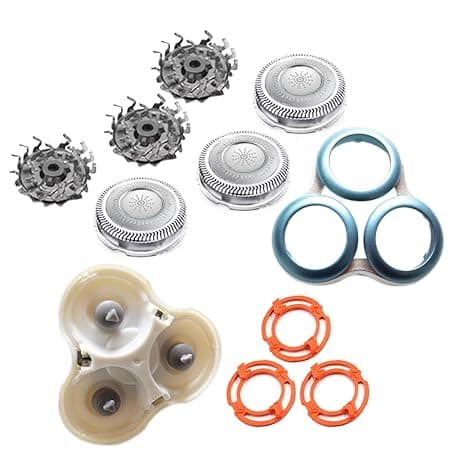
You press the two release buttons, the old head pops off, and the new cassette snaps into place. On mine it seated with a clean click — the same click the original gave, honestly, maybe a hair firmer. I did notice the frame tolerance is a touch looser than the genuine Philips part. If you wiggle it with your fingernail before the housing closes, there's a whisper of play that the OEM didn't have. Once the cap clicks shut, though, it locks solid and that play disappears entirely. I've had it on for months now and it hasn't shifted, popped, or rattled once.
One thing the box won't tell you that I learned the annoying way: put a single drop of light oil on the heads before the first run. The instructions mention it almost in passing and it's easy to skip. Don't skip it. The first dry run without oil felt scratchy and loud; thirty seconds after a drop of oil, it went quiet and smooth. That's not a defect in the compatible part — OEM wants the oil too — but the cheap ones seem to ship a little drier, so it matters more.
The honest performance take
Day one, fully broken in, it shaves about 90 to 95 percent as close as the genuine head did when that one was new. On my cheeks and jaw I genuinely cannot tell the difference. Flat planes, easy stuff, it's a wash.
Where it's a touch behind: the tricky spots. Right under the jaw, around the Adam's apple where the skin moves, the OEM head was very slightly more forgiving — fewer second passes needed. With the compatible one I sometimes go back over that one stubborn patch on my neck a second time. We're talking ten extra seconds, not a ruined shave. But I'm not going to pretend it's identical, because it isn't, quite.
The downside I actually want you to hear
Two things. First, longevity. The OEM blades held their edge for a solid year before I felt them fade. This compatible head started losing its bite a little sooner — I'd guess I'll be swapping it closer to the nine or ten month mark rather than a full twelve. Even accounting for that, the math still wins by a mile at a third of the price, but if you're the kind of person who wants to replace once and forget for a year, the genuine head buys you that.
Second, the small stuff. The packaging is cheap — thin plastic clamshell, no nice molded tray, the kind of thing that feels like it came off a busy line. And there was a faint plastic smell the first two or three days, mild, gone by the end of the first week. Cosmetic, but you'll notice it, so I'd rather you hear it from me than feel cheated when it shows up.
Why a tired head is more than an annoyance
It's worth being clear about why you replace these at all. Dull blades don't just shave worse — they yank. That tugging is the blade gripping a hair it can't sever, dragging the follicle, and that's exactly what turns into razor burn, ingrown hairs, and that raw stinging feeling after. A worn cutting screen also means more passes over the same skin, which is more irritation, not less. Swapping a fading head isn't vanity maintenance; it's the difference between a shave that leaves your neck calm and one that leaves it angry. At $20 to fix that, there's no reason to keep suffering through a head that's pulling.
So who should still buy OEM?
If you've got genuinely sensitive skin and you've found that the official Philips head is the one thing that doesn't break you out — stay with it. The slightly better edge retention and the marginally smoother pass on tricky areas might be worth $55 to you, and that's a real, defensible choice. Same if you simply want the longest possible interval between swaps and hate fiddling.
For everyone else? I bought the compatible one, ran it for months across my whole face and neck, and the only times I remember it's not the genuine part are that one stubborn spot on my throat and the day the new one arrives smelling faintly of plastic. For roughly $35 less per head, doing the same job, on a shaver I already own — I'd buy it again. And I already have.