Troubleshooting & Analysis
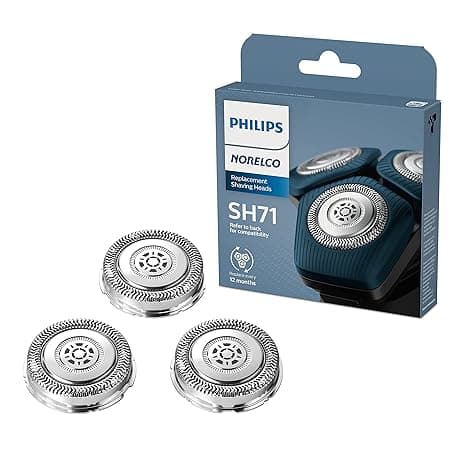
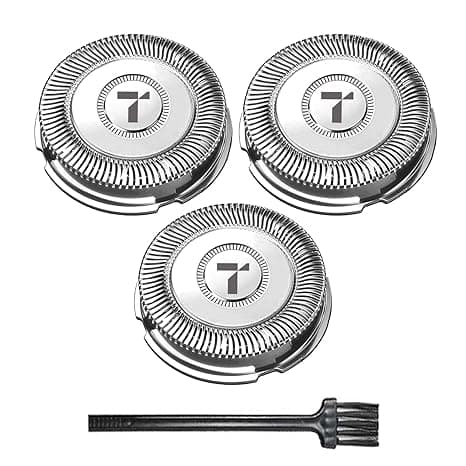
A new Norelco Series 7 — the boxed one with the charging stand and the travel case — runs north of $130 most places I've checked. The replacement head for the one already sitting on your bathroom shelf? I paid about $35 for a compatible cassette. Read that again. You can spend $130 to fix a shaver that's ninety percent fine, or $35 to fix the one part that actually wore out. That gap is the whole reason I stopped buying new razors years ago.
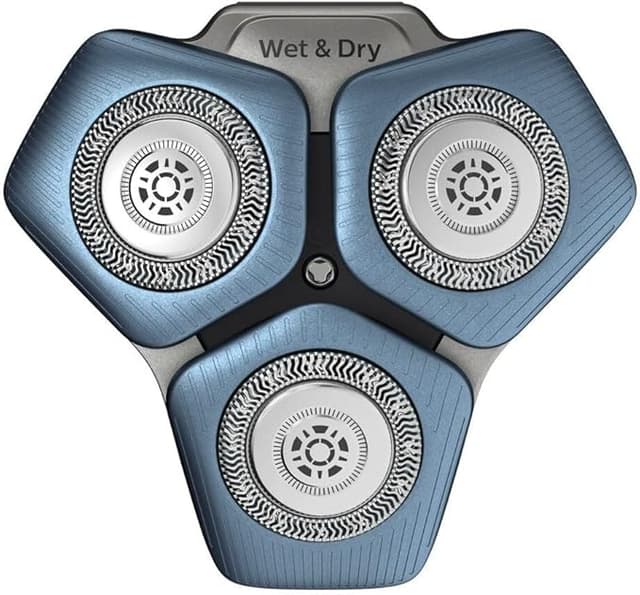
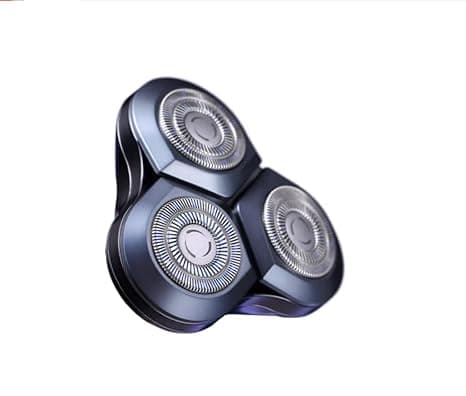
Here's the thing nobody at the store tells you: the body of a Series 7 basically never dies. The motor keeps spinning, the battery still holds a charge, the housing is the same housing. What goes is the cutting head — the three little rotary blades and the guards over them. They get dull. They start pulling instead of slicing. And once that happens, every morning shave turns into a tug-of-war with your own face.
How I figured out my head was shot (and yours probably is too)
I didn't replace mine because of some calendar reminder. I replaced it because one Tuesday I finished shaving, looked in the mirror, and my neck was lit up red and stinging like I'd dragged sandpaper across it. Same shaver I'd used happily for two years. Nothing changed except the blades — they'd quietly gone dull over months, so slowly I didn't notice until it crossed some line.
That's the trap with a dull rotary head. It doesn't fail all at once. It fades. You compensate by pressing harder, going over the same spot three or four times, and that's exactly what wrecks your skin. Razor burn isn't really a skin problem — it's a blunt-blade problem. Dull edges grab the hair, yank it slightly out of the follicle, then cut it. Repeat that a few hundred times across your jaw and of course you're irritated. A genuinely sharp head cuts on the first pass and you barely feel it.
The price math, laid out plainly
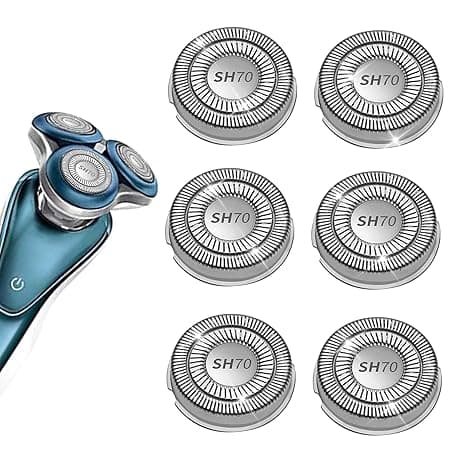
Let me do the boring arithmetic, because it's the part that actually matters. Philips recommends swapping the head roughly once a year for daily users. The OEM SH70-style replacement head, when I look it up, floats somewhere around $45 to $60 depending on the week and the sale. The compatible cassette I bought was $35 — and honestly I've seen them dip lower.
So the real comparison isn't $35 versus a new shaver. It's $35 versus $50-ish for the brand-name head doing the exact same job. Over five years of yearly swaps, that's roughly $175 in compatible heads against maybe $275 in OEM. A hundred bucks, for blades that — in my hands — shaved the same. And both of those numbers are a rounding error next to buying whole new shavers every time the cut goes soft.
Does it actually fit? Yeah — but let me be honest about install
Swapping the head is genuinely a two-minute job, and the compatible cassette dropped right into my Series 7 with no drama. You press the release buttons on the side, the old head pops off, you seat the new cassette, and it snaps in. There's a real click when it's home — wait for it. If you don't hear it, it's not fully seated, and a head that's slightly proud will rattle and shave unevenly.
One thing I always do that the instructions kind of gloss over: put a single drop of light oil on the blades before the first shave. Shaver oil, or honestly a drop of mineral oil in a pinch. It cuts the very faint friction-squeak a fresh head sometimes has and the first shave comes out noticeably smoother. Skip it and the new head still works fine — but that first morning feels a touch grabby until things break in.
The honest downsides — because there are some
I'm not going to pretend the compatible cassette is identical in every way. It isn't. Out of the box, mine had a faint plastic-and-machine-oil smell for the first couple of days — not strong, but it's there if you put your nose to it. Gone by day three. The packaging is also cheap; a thin blister pack versus Philips' printed box. Doesn't change how it shaves, but if you like things to feel premium, the unboxing is a letdown.
The bigger, realer thing: the molded frame the blades sit in felt a hair looser in tolerance than the OEM one. Not loose enough to wobble in use, but holding the two side by side, the brand-name housing had that slightly tighter, more confident snap. In practice it seated fine and held fine through months of daily use. But if you're the kind of person who's bothered by a fractional difference in build feel, you'll notice it.
And I'll say this plainly so you can decide for yourself: I'm three-plus months in and the cut is still close to fresh. Whether a compatible head holds its edge for the full year quite as well as OEM — that's the one thing I genuinely can't promise you yet, and anyone who claims certainty on a $35 part is guessing. So far, no complaints.
Who should just buy the OEM
If your beard is coarse and heavy and you shave it bone-dry every single day, the OEM head's slightly tighter build might earn its extra fifteen bucks — that's a use case where the small tolerance difference could matter over a full year. And if a faint break-in smell or a flimsy package genuinely bugs you, pay up and don't think about it again. No judgment. Sometimes the calm of brand-name is worth the premium.
What I personally do
But for me? I shave four or five times a week, my Series 7 body is still going strong, and I am not about to throw $130 at a new shaver to fix a $35 problem. The compatible head dropped in clean, killed the razor burn that sent me looking in the first place, and shaves my face as close as I need. I bought it once, it worked, and when this one finally dulls I'll buy another and pocket the difference. That's the whole pitch — same job, fraction of the price, and the part of the shaver that still works keeps working. Restore the head, skip the new machine.