Troubleshooting & Analysis
The number that made me stop mid-checkout
I had a brand-new Norelco Series 7 in my Amazon cart. One hundred and forty bucks. My old one still ran fine — it just shaved like it was chewing my face instead of cutting it. So I figured, three years on the same head, time for a whole new machine, right?
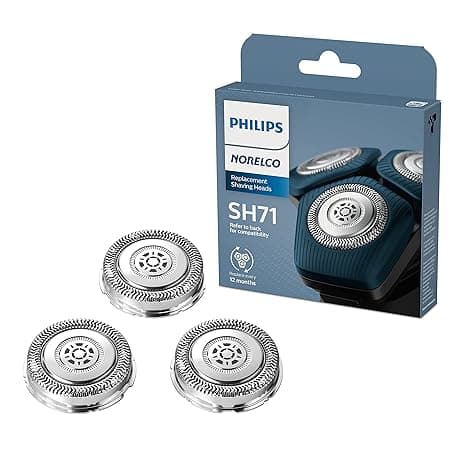
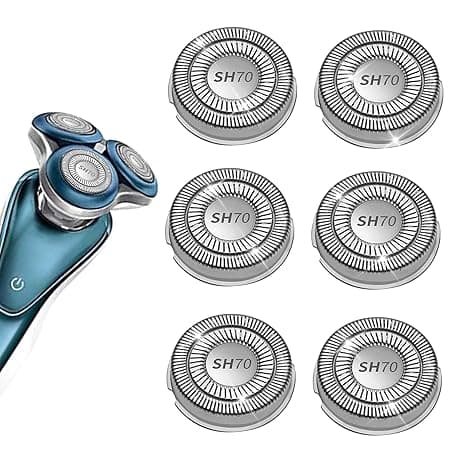
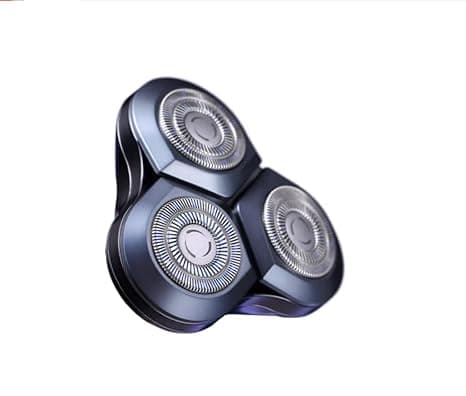
Then I did the thing I should've done first. I looked up what was actually wrong. The motor was fine. The body was fine. The battery still held a full charge. The only dead part was the cutting head — the SH70 cassette sitting on top. And a genuine Norelco replacement head runs around $48. A new shaver runs $140. I was about to spend ninety extra dollars to replace a $48 part. That's the gut-punch. You're not buying a shaver. You're buying three blades and a foil, wrapped in plastic you already own.
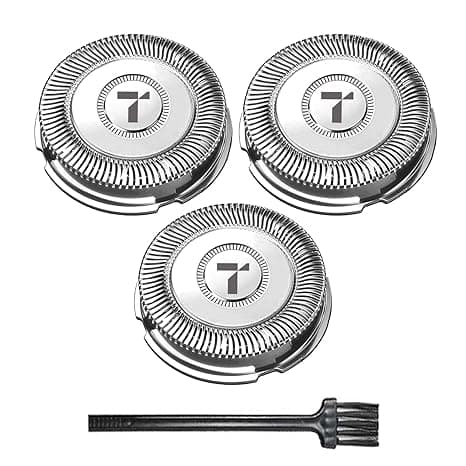
And here's where it gets worse — or better, depending on how you look at it. The compatible cassette I ended up testing? $22. So the real spread isn't even $140 versus $48. For most people in my shoes, the honest comparison is $140 for a whole new unit, $48 for the OEM head, or $22 for a third-party one that drops into the exact same machine. I didn't trust the $22 option either. Let me tell you what happened.
Why a tired head wrecks the shave (this part matters)
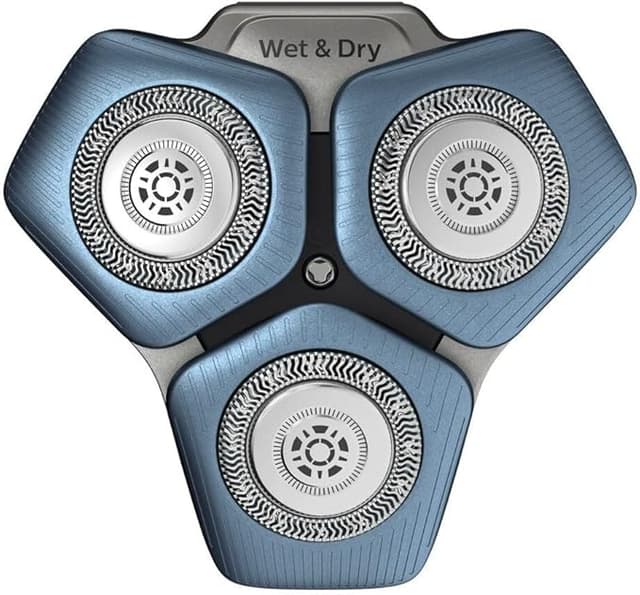
Before the install, a quick word on why you're even here. A Series 7 head has two jobs: the foil lifts and guides the hair, the rotary blades underneath slice it. After a couple thousand passes those blades go dull and the foil micro-perforates. When that happens the head stops cutting hair and starts pulling it — yanking each whisker a fraction before it shears. That's the razor burn. That's the "why does shaving suddenly hurt" feeling. It's not your skin getting sensitive. It's a worn cassette tugging instead of slicing. A dull head isn't just annoying, it's the thing leaving you raw under the jaw every morning. So replacing it isn't cosmetic maintenance — it's the whole point of owning the shaver.
The install: genuinely a 30-second job
I'll be straight — I expected fiddling. There wasn't much. You press the two release buttons on the sides, the old head pops up and off. The new cassette snaps down into the same seat. You hear the click when it lands — and on the compatible one, that click felt a touch less crisp than the OEM, which I'll come back to. Then a single drop of shaver oil across the blades so the first run isn't dry. Done. I had it back together before my coffee finished dripping.
Fit was honest-to-goodness fine. It seated flush, the head pivoted the way the original did, no gap where dust could sneak in. If you've ever swapped one of these you already know the motion; if you haven't, it's harder to describe than to do.
How it actually shaved — and where it's a hair behind
First morning out, the difference over my worn-out head was night and day. Close, no tugging, no burn under the neck where I always get it. That alone made the $22 feel like theft in my favor. I ran it daily for about four months before sitting down to write this, because a one-week review of a shaving head tells you nothing — anything cuts well when it's brand new.
So four months in, here's the real talk. For the first three or four days there was a faint plastic-and-oil smell on the head — not on my face, just if you held it close. It aired out and I haven't noticed it since. The cassette also broke in a little; the very first shave was good, but around day five it got noticeably smoother, like the blades settled into their seat. OEM heads do this too, just less obviously.
Where is it behind the genuine Norelco part? Two honest things. One, that click on install was slightly softer, and the frame tolerance feels a touch looser than OEM — not loose, not rattling, just not the machined-tight snap you get from the real SH70. Two, and this is the one that actually matters: I think the foil on the compatible head will wear a little faster. At four months mine still cuts clean, but I'd bet the OEM stretches closer to fourteen, fifteen months and this one taps out around ten or eleven. I'll update if it surprises me. But run the math on that anyway.
The math, because it's the whole argument
Say the OEM head lasts 14 months for $48. That's roughly $3.40 a month of cutting edge. Say the compatible lasts 11 months for $22. That's exactly $2.00 a month. Even with the shorter life I'm paying less per month of actual shaving — and I'm keeping a $140 machine out of a landfill because I didn't panic-buy a new one over a worn blade. The "buy a whole new shaver" path? Don't. Unless your motor's dying or the battery won't hold, you're throwing $90+ at a problem a cassette fixes.
A second thing I noticed, four months in
One detail nobody mentions: the packaging on the compatible head is cheap. Thin blister plastic, no fancy box, instructions on a slip of paper. Looks nothing like the Norelco retail packaging. For about ten seconds that made me nervous it'd be junk. It wasn't — the part inside performed — but if unboxing-feel matters to you, know that you're paying OEM prices partly for the box. I'd rather have the twenty-six dollars.
Who should buy OEM instead — and who should grab this
Buy the genuine Norelco head if you're the type who keeps a shaver eight years and wants the absolute longest service life per swap, or if you've got sensitive skin that reacts to the slightest blade difference and you don't want to gamble even once. That's a real group. No shame in it.
But for me? A loose-ish frame, a three-day plastic smell, cheap packaging, and maybe a few months shorter life — against saving twenty-six dollars on a part that restored my shaver to cutting like new — that's an easy call. I bought the compatible cassette, I've shaved with it every day for four months, and when this one wears out I'm buying another. Not a new shaver. Just the $22 head that does the one job that was ever broken.