Troubleshooting & Analysis
The click is how you know it's seated right
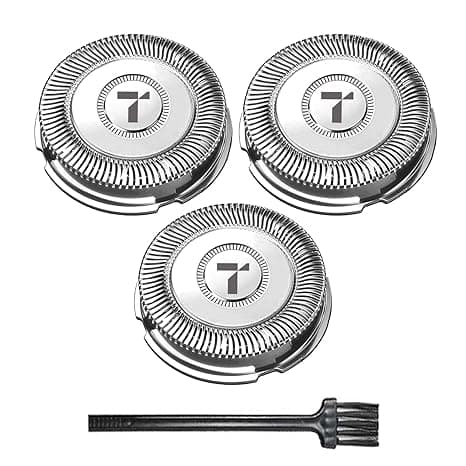
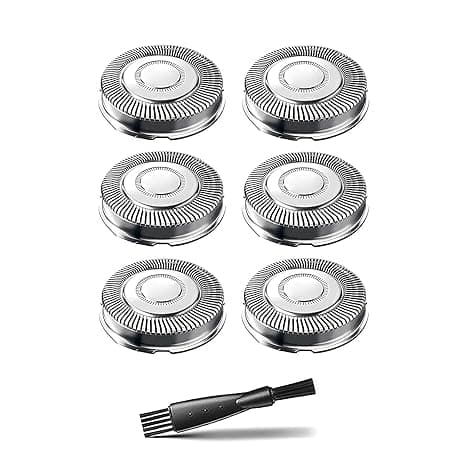
First thing I noticed wasn't the shave. It was the sound. When you snap a fresh head cassette onto a Norelco Series 7, there's this small, definite click — two of them, actually, one on each release point — and the OEM head makes that sound a little crisper than the compatible one I'd been nervous about ordering. The aftermarket cassette seats with a slightly softer snap. Lower-pitched. The first time I did it I pressed it on, heard that duller click, and thought "great, fifteen bucks down the drain, this thing's loose."
It wasn't loose. I tugged it. Twisted it. It held exactly like the factory one. The click is just quieter because the plastic tolerances on the housing are a hair different. But the lock engaged, the head didn't wobble, and three months later it still hasn't budged. So — file that under "sounds wrong, works fine."
Why I went looking for a replacement head at all
Here's what nobody tells you about the Series 7: it doesn't die. The motor keeps humming for years. What dies is the cutting surface. The blades and the foil-style cutters dull, and a dull head doesn't cut hair — it grabs it. Pulls it. You feel that little sting on your jawline and the redness afterward, and you start blaming your skin or your technique when the real culprit is a worn cassette that should've been swapped twelve months ago.
That's the trap Philips sets up nicely. The shave gets worse so gradually you don't notice, until one morning you've got razor burn on your neck and you're wondering if you need a whole new shaver. You don't. You need a $50 problem solved for a fraction of that.
The actual math, because that's the whole point
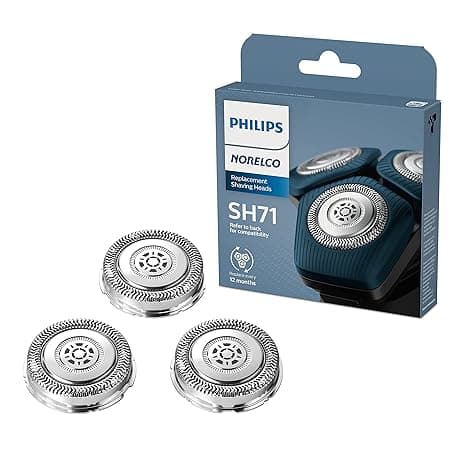
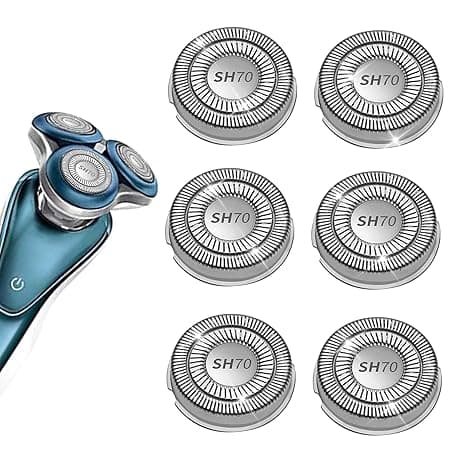
A genuine Norelco SH70 replacement head — the official one for the Series 7 — runs you somewhere in the forty-five to sixty-five dollar range depending on where you catch it. The compatible head I bought was under twenty. Philips recommends swapping the cutting head about once a year. So this is a yearly decision, not a one-time one.
Over, say, four years of owning the shaver, OEM heads alone could cost you more than a brand-new mid-tier shaver. The compatible route over those same four years is the price of a couple of lunches. And remember — the body of the shaver, the motor, the battery, the charging dock, all of that you already own and it's all still fine. You're replacing a wear part. That's it.
Fit and install — does it actually go on?
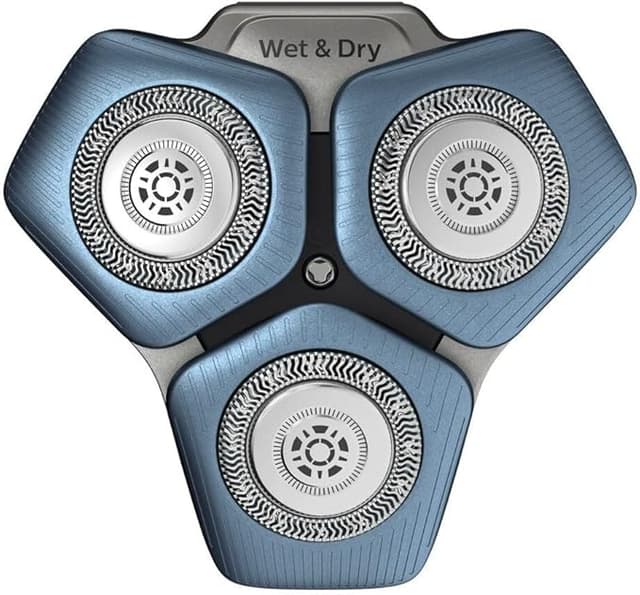
Dead simple, and I say that as someone who assumed the cheap one would fight me. You press the release buttons on the head frame, the old cassette lifts off. The new one drops into the same cradle and snaps down (that softer click I mentioned). Then I put a single drop of shaver oil on the cutters before the first run — Philips never makes a big deal of this but it's the difference between a smooth first shave and a slightly draggy one. Run it dry for two seconds to spread the oil, and go.
The one fiddly bit: on my unit the compatible cassette wanted to be oriented a specific way, and there's no big arrow telling you which. If it doesn't drop flat, rotate it 180 degrees and try again. Took me one extra try. Not a dealbreaker, just a "huh" moment.
How it actually shaves
Close. Honestly closer than I expected on the cheeks — by week one the cutters had broken in and I was getting a shave I'd have called OEM-equal in a blind test. The neck, where the hair grows every direction at once, is where I notice a small gap. The compatible head needs maybe one extra pass under the jaw to get truly smooth. OEM gets it in one. So I'm spending an extra fifteen seconds, not buying a worse shave.
Comfort was the real surprise. A fresh head — any fresh head — fixes the pulling instantly. The morning after I swapped it, no sting, no redness. That alone told me the worn cassette had been the problem all along, not my face.
The downsides, for real
The packaging is junk. Thin plastic blister, no instructions worth reading, looks like it was printed in a hurry. Don't let that rattle you — the cassette inside was clean and properly machined — but if you're someone who reads cheap packaging as cheap product, brace for it.
Second: longevity. I've gotten three solid months so far and it shows no sign of dulling, but I can't yet swear it'll match a full OEM year. My honest guess is it'll come close. If it gives me ten months instead of twelve, at a third of the price, I still come out way ahead.
So who should skip it?
If you've got a thick, fast-growing beard and you shave to the skin every single day, the OEM head's slightly sharper neck performance might be worth the premium to you — fewer passes, less irritation on tough growth. Buy the genuine SH70 and don't think about it.
But for the rest of us — normal growth, every-day or every-other-day shaving, and a working shaver that just needs its teeth replaced — the compatible head does the same job. It seats securely (quieter click and all), it kills the pull and the razor burn, and it costs a fraction of OEM every year you own the machine. I bought one, I've run it for three months, and when this one wears out I'm buying another. That's the most honest endorsement I've got: I'd spend my own money on it again. I'm about to.