Troubleshooting & Analysis
I didn't believe a twenty-dollar replacement head could be fine either
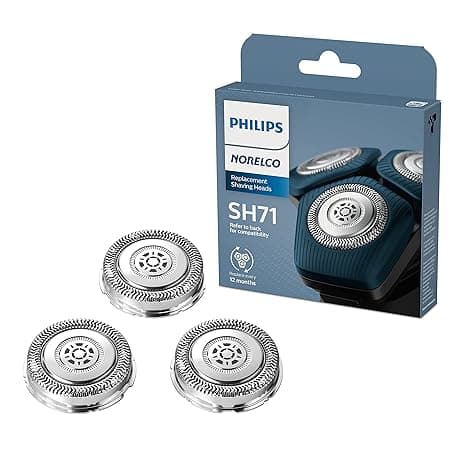
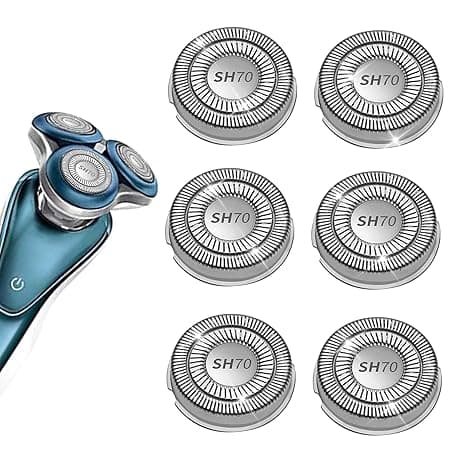
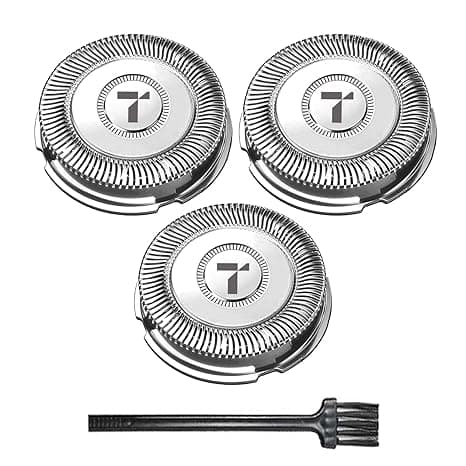
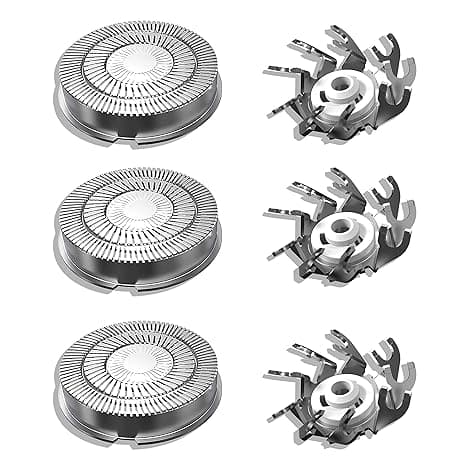
Here's where my head was at. My Norelco Series 7 had started pulling instead of cutting — that little tug on the jaw where you can feel each hair get yanked before it gives. Classic dull-blade behavior. So I went looking, and the official Philips replacement head wanted the kind of money where I genuinely sat there doing the math on whether I should just buy a whole new shaver. And right under it, the compatible cassette, roughly $20. Less than half.
And my gut reaction was the same one you're probably having. No way. A cutting head is the entire machine, basically — it's the part that touches your face every morning. A cheap one is going to be uneven, or it'll catch skin, or the metal will be soft and dull again in a month. I almost closed the tab. I've been burned by "compatible" before on other gear, and a bad shave isn't an inconvenience, it's razor burn for three days.
I bought the cheap one anyway, mostly out of stubbornness. I've now been shaving with it for a little over four months. So let me actually tell you what happened, the good and the parts I didn't love.
The money, because that's why you're here
This is the whole argument, honestly. The OEM Series 7 head is the price of a small appliance. The compatible cassette I grabbed was about $20. Philips will tell you to replace the head roughly once a year — blades wear, and a worn head is exactly the pulling-instead-of-cutting problem I started with. So run it forward: every year you either pay near-new-shaver money, or you pay twenty bucks. Over the life of one shaver that's the difference between the head costing more than the machine and the head being an afterthought. The compatible route isn't a little cheaper. It's a different category of cheap.
And the part nobody says out loud — you don't need a new shaver. The body, the motor, the battery in your Series 7 are all still fine. It's only the cutting surface that wears out. Dropping a fresh cassette in restores the thing to basically full performance for the price of a couple sandwiches.
Does it actually seat right?
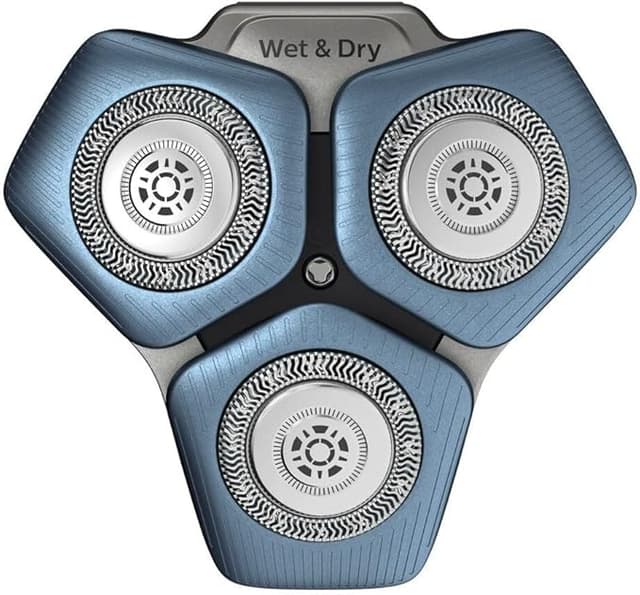
This was my first real test, because a head that doesn't sit flush is a head that nicks you. The swap is genuinely a thirty-second job. You press the release buttons, the old head pops off the holder, and the new cassette snaps in. There's a click — a real, defined click — when it seats, and that click mattered to me more than I expected. It's the difference between "I think it's on" and knowing it's locked. Then I put a single drop of the lubricating oil on the blades the way you're supposed to, ran it dry for ten seconds, and that was it.
Fit was honestly the thing I was most braced for and it was a non-issue. It dropped into the Series 7 holder with no forcing, no wobble, no gap around the edge. If you've ever swapped an OEM head you'll find this identical.
The honest performance take
First shave: better than the worn-out OEM head it replaced, which — fair, low bar, that one was dull. But the more telling comparison is against a fresh OEM head from memory. Close. Genuinely close. On flat ground, the cheeks and neck, I cannot tell you a difference. Clean pass, no tugging, no going over the same spot four times.
Where I'll be straight with you: a brand-new OEM head has a slightly better first-pass on the tough spots — right under the jaw, the corners of the mouth where the hair grows three directions at once. With the compatible cassette I do one extra little pass there some mornings. We're talking a few seconds. It's not a worse shave, it's a marginally-less-effortless one on the hard 10% of my face. If you've got a wiry, dense beard you may notice that gap more than I do.
The downsides, because there are some
Let me give you the real ones, not the fake "con" reviewers list to seem balanced.
First: the packaging is cheap and the branding is generic. The box felt flimsy, the print was a little off, and there's a moment where you hold it and think "did I just buy a knockoff that's going to be junk." It photographs worse than it performs. If unboxing-feel is part of what you're paying for, this isn't that.
Second, and this is the one I'd actually weigh: I have less confidence in the long-haul durability than I do with OEM. Four months in, mine is still cutting clean — but I can't promise you it'll hold its edge a full twelve months the way Philips claims theirs does. It might. Mine shows no sign of fading yet. But I'd rather tell you I don't have the two-year data than pretend I do. The flip side is the math forgives it completely: even if a compatible head only lasted eight or nine months instead of twelve, you're so far ahead on price that it doesn't matter.
Third, small thing — the very first shave had a faint factory smell off the new metal, a sort of clean-machined-steel thing. Gone by day two. Didn't transfer to my skin. But it's there out of the box.
Why a tired head is worth fixing now, not later
Quick word on the safety-ish angle, because it's the actual reason to do this. A dull cutting head doesn't just shave worse — it shaves rougher. Blades that pull hair instead of slicing it are what cause that razor burn and those irritated red patches along the neck. People blame their skin or their technique when really it's a head that should've been swapped two months ago. Running a worn head to save money is a false economy when fresh blades cost $20. Your face notices the difference the first morning.
So who should buy what
If you want the absolute guaranteed peak on a coarse, stubborn beard, or you simply won't lose sleep paying for OEM, buy the Philips head and don't think about it. That's a legitimate choice and the official part is excellent.
But for me? I've got a Series 7 that runs like new again, I do one extra pass under the jaw some days, and I paid about $20 instead of nearly the cost of a new shaver. I didn't trust it going in — I want to be clear about that, because I was exactly as skeptical as you are right now. Four months later I've already got a second cassette in the drawer ready for the next swap. That's the most honest endorsement I can give: I voted with my own money, twice. For the savings, doing the same job on my face every morning, I'd grab the compatible one again. And I have.