Troubleshooting & Analysis
Two boxes on the counter, and forty bucks between them
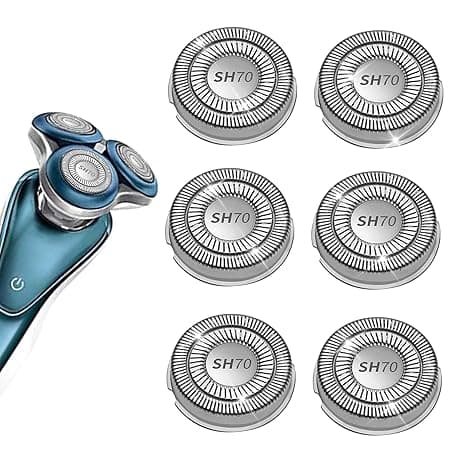
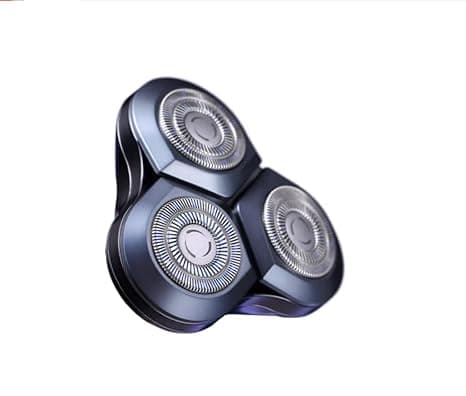
I had the dead Series 7 in one hand and my phone in the other, standing in the drugstore aisle doing the math out loud like a crazy person. New shaver: a hundred and forty dollars, give or take, for the model that's basically the same machine I already own. Or a replacement cassette — the SH70-style head that snaps into the unit I've had for years — for about thirty-five. That's the whole decision, right there. Do I throw out a perfectly good motor and handle because the blades went dull, or do I spend a third of the price and bring the thing back to life?
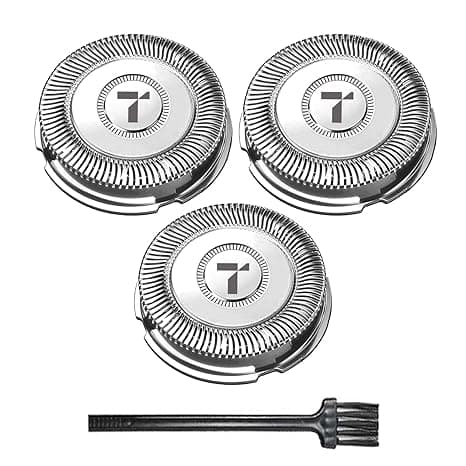
I'd been putting it off for weeks, honestly, because my shaves had gotten miserable. Not "needs a new blade" miserable — "this is actively yanking hair out of my jaw" miserable. If you've felt that drag, that little tug-and-burn under the chin where the head pulls instead of cutting, you already know what I'm talking about. So I bought the compatible head. Cheaper one. And I want to walk you through exactly how that went, because I was nervous about it too.
The price gap is the entire story
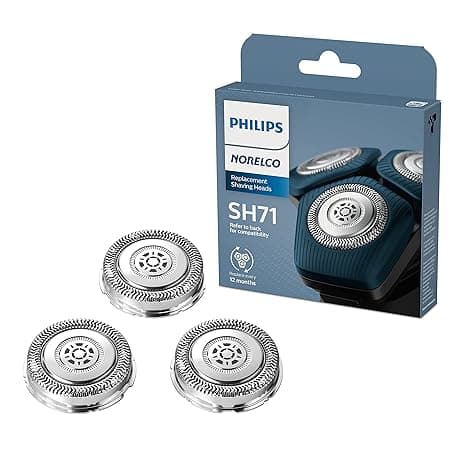
Let me put real numbers on it. A genuine Norelco Series 7 shaver, depending on the sub-model and whatever sale is running, sits somewhere around $120 to $160. The OEM replacement head packs run roughly $45 to $50 if you buy Philips-branded. The compatible cassette I went with was about $35 — and I've seen the same style dip under $30 on a decent day.
So you've got three tiers: ~$140 for a whole new machine, ~$48 for the official head, ~$35 for the aftermarket one. Philips will tell you to replace the head about once a year if you shave daily. I'm a little lazier than that — I push mine closer to fourteen, sometimes sixteen months — but call it once a year to be safe. Over the life of the shaver, that's the difference between spending fifteen bucks a year keeping it sharp or buying a new $140 unit every time the blades fade. The shaver isn't the expensive part. The blades are the consumable. Once that clicked for me, replacing the head instead of the whole thing stopped being a question.
Does it actually fit? Yeah — with one honest caveat
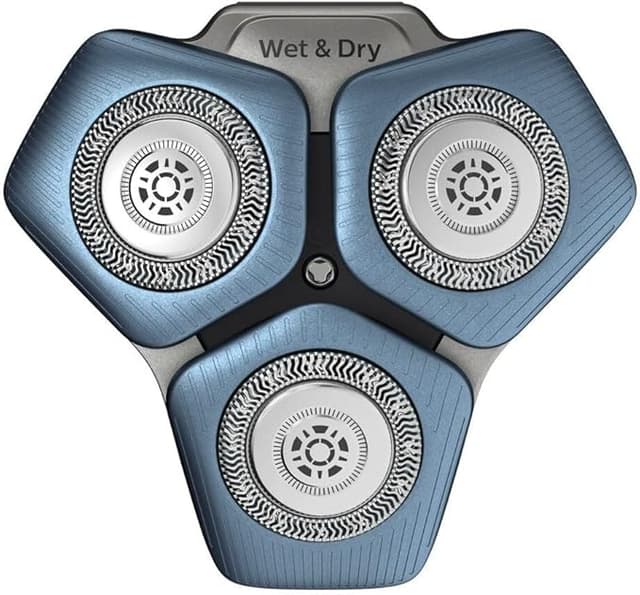
Install is genuinely a non-event. You press the release buttons on the side of the head, the old cassette lifts off, and the new one snaps down into the same seat. There's a click. You want to feel that click — that's the cassette locking into the carrier. Then I put a single drop of light oil on each cutter and ran it dry for ten seconds to work it in. That's it. Maybe ninety seconds start to finish.
Here's the caveat, and I'd be lying if I skipped it: the compatible cassette seated just a touch looser than the original Philips one did when it was new. Not loose enough to rattle or come off — it locked, it held, it shaved fine for months — but when I pressed it on, the snap felt a hair less crisp than I remembered the genuine part feeling. Could be in my head. Could be a slightly more forgiving tolerance on the aftermarket molding. Either way, it never gave me a problem in actual use, but if you're the kind of person who notices that sort of thing, you'll notice it.
How it actually shaves
This is the part that matters, so I'll be straight. The first shave was a little rough — not bad, but not great. New blades have a tiny break-in, and there was the faintest metallic-plastic smell on the head out of the box for the first day or two. Gone by day three. By the end of the first week the cutters had settled and I was getting a shave I'd put right next to what the OEM head gave me when it was new. Close, smooth, no tug.
Where's it a touch behind? On the very first pass over a heavy three-day growth, the genuine Philips head felt like it cleared more in one stroke. With the compatible one I sometimes do a second pass over the same patch under the jaw. We're talking maybe ten extra seconds of shaving. For a third less money, I'll take the extra ten seconds.
One more usage detail people don't mention: I shave wet, in the shower, with gel. The compatible head handled water and gel exactly like the original — rinsed clean under the tap, no clogging, no weird residue trapped in the cutter slots. I was half-expecting cheaper plastic to hold gunk. It didn't. Six months in, a quick rinse and the occasional drop of oil and it still glides.
The real downsides, not the fake ones
The packaging is cheap. Thin cardboard, a plastic clamshell that I fought with for a minute. It doesn't inspire confidence when you open it — feels like a knockoff even when the product inside is fine. And the print quality on the box is rough. None of that affects the shave, but if presentation tells you something about a product, the presentation here tells you "we spent the money on the metal, not the box."
Second: longevity is the open question I can't fully answer yet. Six months in, mine's holding. But the genuine head, in my experience, has gone a solid year-plus without noticeably fading. I'll find out if the compatible one matches that. My honest guess is it lands a little short of the OEM's lifespan — but even if it lasts only nine or ten months instead of fourteen, the math still wins at $35 a pop.
Why a dead head is worth fixing now
Don't keep shaving with worn blades. It's not just unpleasant — dull cutters pull the hair before they cut it, which is exactly what causes razor burn and those little inflamed bumps along the jawline. I dragged a worn head for an extra two months out of pure procrastination and my neck paid for it. Swapping the cassette fixed the irritation within a couple of shaves. A sharp head is the whole point of one of these machines; a dull one is just an expensive vibrating hassle.
So who should buy what
If you own a barbershop, or your beard is genuinely coarse and you shave a heavy growth every single day and want absolute max performance with zero compromise, buy the genuine Philips head. The slightly tighter seat and that extra bit of first-pass cutting power are real, and at the OEM price you're still way under the cost of a new shaver.
For everybody else — normal beard, daily-to-every-other-day shave, someone who just wants their Series 7 back to cutting clean without dropping $140 on a new machine — the compatible cassette is the one I grab. I bought it nervous and I'd buy it again. It snapped in, it shaved smooth after a short break-in, and it saved me real money doing the exact job the expensive one does. That's the whole pitch, and it's an easy one to make.