Troubleshooting & Analysis
I didn't believe a $20 replacement head could shave like the real thing
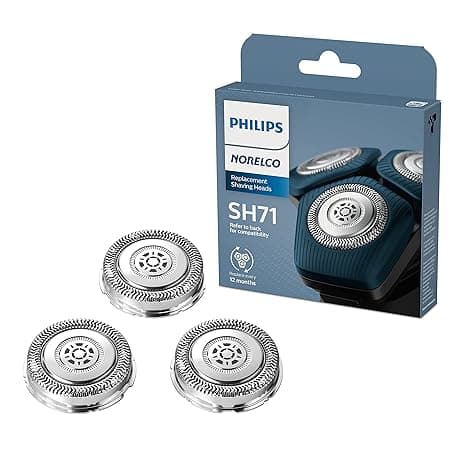
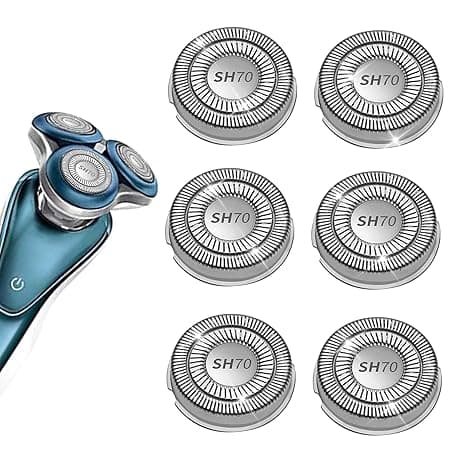
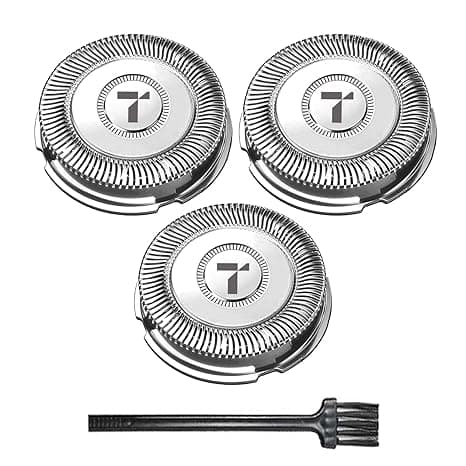
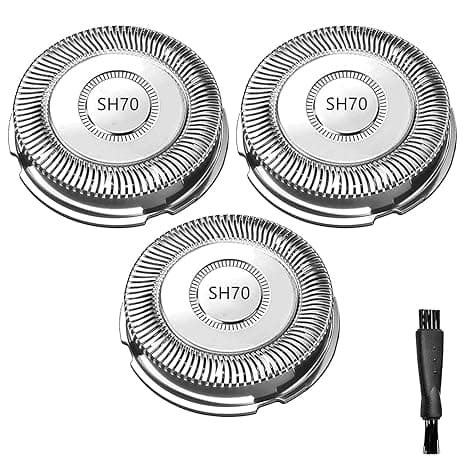
Let me be straight with you. When my Norelco Series 7 started tugging instead of cutting — that little pinch under the jaw that makes you flinch — my first move was the same as everyone's. I priced the genuine Philips replacement head. Then I sat there doing the math on whether I should just buy a whole new shaver, because the official head wasn't far off the cost of a new mid-tier model. And right next to it was a compatible cassette for about twenty bucks. I assumed it was junk. Cheap steel, loose fit, the kind of thing that'd leave my neck looking like I lost a fight with a cat.
I bought it anyway, mostly to prove myself right. I was wrong.
The real reason your shave went bad (it's not the motor)
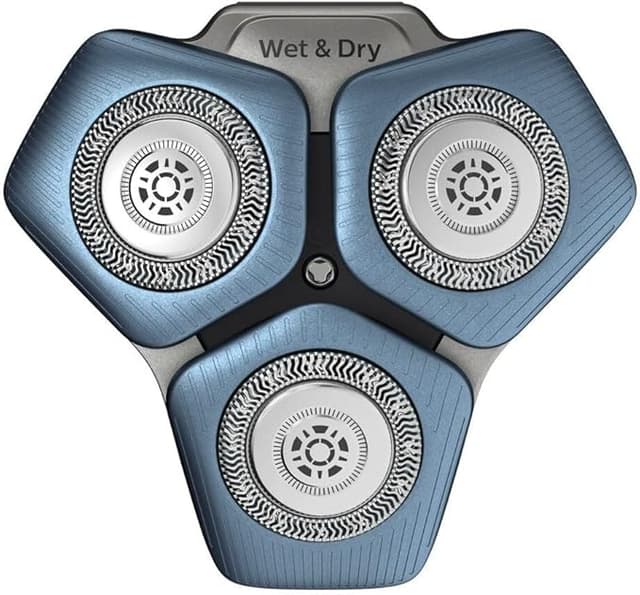
Here's what nobody tells you when you're standing in the bathroom cursing your razor: the Series 7 motor almost never dies. What dies is the cutting head. The blades and the foil screens wear down, micro-dull, and start grabbing hair and yanking it before the edge actually severs it. That yank is the razor burn. That's the redness. People throw out a perfectly good shaver because the one consumable part — the head — wore out, and they never realized it was a $20 fix.
So the question isn't "is a cheap head good enough." The question is whether a compatible cassette restores the cut. After running mine daily for a little over three months, my answer is yes, with a couple of honest caveats I'll get to.
What the swap actually feels like
Installation took me under a minute, and I'm not handy. You press the release buttons, the old head pops off, and the new cassette snaps in. There's a click when it seats — and that click matters, because if you don't feel it, the head isn't locked and it'll rattle. Mine seated clean on the first try. I put a single drop of shaver oil on the blades before the first run, which the instructions suggest and which I'd tell you to do regardless. It quiets the thing down and the first shave glides instead of stutters.
Now the honesty part. The compatible cassette's frame is a hair looser in the housing than the genuine Philips one. Not loose enough to wobble during a shave, but if you press your thumb on it you can feel a tiny bit more give than OEM. The packaging was also nothing to write home about — a thin blister pack, no fancy box, the kind of thing that makes you doubt it before you've even opened it. And there's a faint plastic-and-machine-oil smell the first two or three days. It fades. By the end of week one I stopped noticing it entirely.
How it actually cuts
This is where I expected to catch it falling short, and mostly didn't. On flat cheek and neck stubble, three days' growth, it cut as cleanly as the genuine head did when that one was new. Close, no tugging, no repeat passes needed over the same patch. The foils flex over the jawline fine.
Where it's a touch behind: the trickier spots. Right under the nose, the corners of the mouth, that awkward dip below the Adam's apple — the compatible head needed maybe one extra pass to get those as smooth as I like. The genuine Philips foils contour a little better there, I'll give them that. We're talking a few extra seconds, not a different category of shave. If you're someone who demands a barbershop-perfect finish on every square millimeter, you'll notice. If you just want to not look like you slept in a dumpster, you won't.
Longevity is the open question with any aftermarket head, so I'll tell you what I've got. Three-plus months in, mine's still cutting clean. The honest expectation is that a compatible cassette may not hold its edge quite as long as the genuine one rated for roughly a year — call it a maybe. But even if I'm replacing it a little sooner, the price gap is so wide that I'd still come out ahead buying two compatible heads over the life of one genuine.
Why you shouldn't just keep limping along on a dead head
One thing I won't soft-pedal: shaving with a worn-out head isn't just uncomfortable, it's how you get ingrown hairs and broken skin. A blade that pulls instead of cuts irritates the follicle and tears the surface. That's the redness turning into actual little bumps. Swapping the head the moment the tug starts is the cheapest skincare decision you'll ever make. Don't tough it out to save twenty dollars and then spend it on aftershave balm.
So who should buy what
If you've got a high-end Series 7 or 9 and you genuinely shave a dense, coarse beard every single day and want the absolute closest contour OEM gives, buy the genuine Philips head. No shame in it — it's a real, small improvement in the hard-to-reach spots, and you'll use it daily for a year.
For everyone else — and that's most of us — I grab the compatible cassette. It snaps in, it kills the tugging, it brings the shaver back from "should I just buy a new one" to "this is fine, why was I ever worried." The frame's a touch looser, the packaging's cheap, there's a day or two of plastic smell. All true. And for the money I'd buy it again — which I know, because I already did. My second one's sitting in the drawer waiting for the day this one finally dulls.