Troubleshooting & Analysis
Standing in the drugstore aisle, doing math I didn't want to do
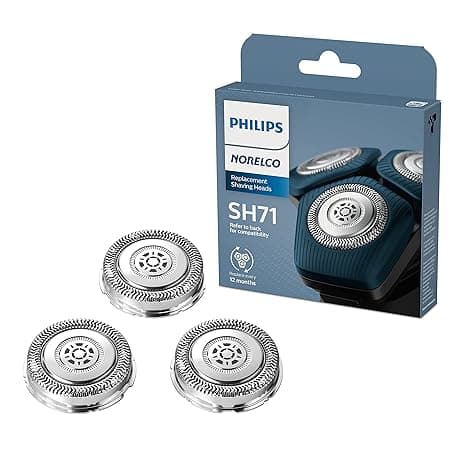
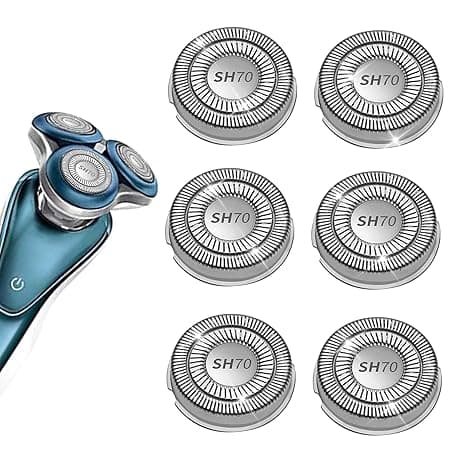
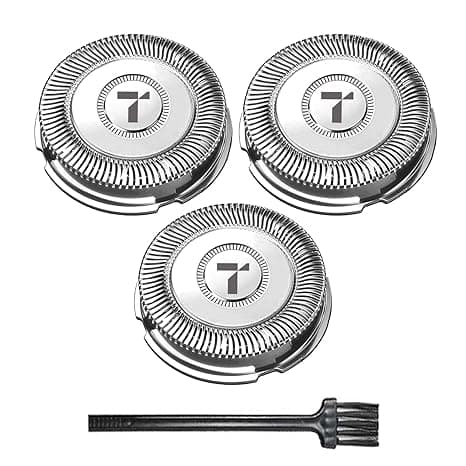
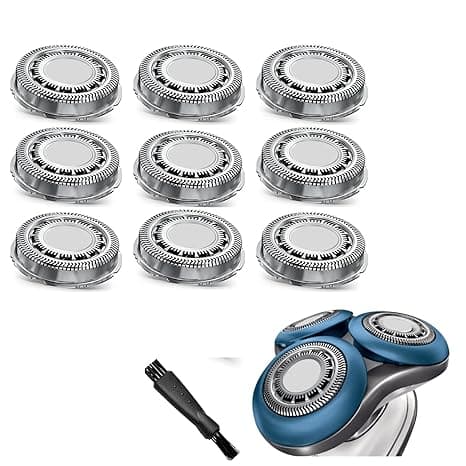
So there I was, holding two boxes. My Norelco Series 7 had started tugging — that little pull-then-cut hesitation you feel right along the jaw, where the whiskers are coarsest. On the shelf: the genuine Philips SH70 replacement head, $44 with tax. Next to it, a compatible cassette, $16. Same three-ring layout, same snap-in cradle, less than half the price. And I just stood there thinking, okay — is the cheap one going to shred my face, or is the $44 box mostly a logo?
I bought the compatible one. I've now run it for about five months. Here's the honest version of how that went.
The price gap is bigger than people think
Everyone fixates on the up-front number, but the real story is the cycle. Norelco tells you to swap heads roughly once a year. So if you stay loyal to OEM, that's about $44 a year, every year, for as long as you own the shaver. Over the life of a Series 7 — call it five, six years — you're spending more on replacement heads than you spent on the machine itself. The compatible cassette I bought puts that yearly number closer to $16. That's not a rounding difference. That's the cost of a decent lunch versus the cost of half a tank of gas, repeating annually.
And look — I get the nervousness. A shaver head sits against your skin. You don't want to gamble with something that drags blades across your neck every morning. I didn't either. That's exactly why I tracked this one instead of just tossing it in and forgetting.
Does it actually seat right?
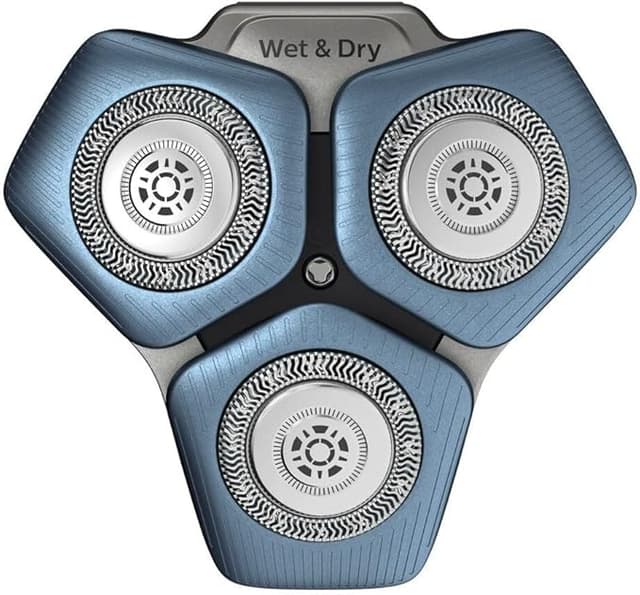
This was my first worry. The Series 7 head assembly pops off with those two release buttons on the side, and the new cassette is supposed to just snap back in. With the compatible one, it did — but I'll be straight with you, the fit was a hair tighter than the original. The first time I clicked it home, it took a firmer push than I expected, and for half a second I thought I'd grabbed the wrong model. It seated. Solid click, no wobble, no rattle when the motor spins. Once it's in, you genuinely can't tell by feel that it isn't the factory part.
One thing the box doesn't tell you and I'll tell you: put a single drop of light oil on the heads before the first run. The instructions mention it almost in passing, but on a compatible cassette it matters more — the blades come a touch drier than OEM out of the package, and that first dry pass is where you'd feel any roughness. One drop, spin it for two seconds, done. Smooth after that.
How it shaves, honestly
Close. Genuinely close to what the genuine head did when it was new. On my cheeks and under the jaw, I cannot tell the difference — same number of passes, same result, no irritation. The Series 7's whole pitch is that the heads flex to follow your face, and these flex fine.
Where it's a touch behind: the neck. Right under the chin where the hair grows in four directions at once, the compatible head needed one extra pass to get fully smooth, especially around day-two stubble. The original used to clear it in a single sweep. It's a small thing — ten extra seconds — but I noticed it, and I'd rather you hear it from me than feel cheated when you notice it yourself.
The downside I didn't expect
The packaging is cheap. Thin cardboard, a plastic tray that felt flimsy, and honestly it made me trust the thing less before I'd even opened it — which is funny, because the part inside was fine. But there's a real one too: I'm not fully sold on the long-haul durability. At five months the OEM head still felt factory-new at this point in its life; the compatible one is shaving well, but the blades feel like they've aged a little faster. I'd bet it gives me a solid nine, maybe ten months rather than a confident full year. So the "once a year" math might really be "a bit more than once a year" with this one.
Even with that — nine months of good shaves at $16 still buries twelve months at $44. The math doesn't get close.
Why you don't want to ride a worn head
Quick word on why any of this matters. A dull head doesn't cut hair, it yanks it — pulls the whisker up and snaps it instead of slicing clean. That's where razor burn and those angry little under-the-jaw bumps come from. People blame their skin or their technique when it's almost always just tired blades. Whether you go OEM or compatible, the actual mistake is running a head a year past when you should've swapped it. A fresh cheap head beats a worn expensive one, every single morning.
So who buys what
If you shave a heavy, coarse beard every day and that neck zone is your battleground, or you just want the absolute longest service life and the price genuinely doesn't register — buy the OEM SH70. It's a little sharper at the edges of the job and it ages slower. No shame in it.
But for the rest of us — normal beard, daily or every-other-day shave, and a healthy resentment of paying $44 for a part that does the same thing as a $16 one — I grab the compatible cassette. I've done it twice now. It seats right, it shaves clean, it saves real money every year, and the one extra neck pass is a fair trade for keeping nearly thirty bucks in my pocket. Don't buy a whole new shaver because yours started tugging. Drop in a fresh head and it's a new machine.