Troubleshooting & Analysis
The morning my Series 7 started yanking instead of cutting
I knew something was wrong the second I switched it on. That low, healthy hum my Norelco Series 7 used to make? Gone. In its place was this strained, slightly-too-loud grind — the sound of a motor working harder to do less. And then it hit my jaw. Not a smooth pass. A pull. Like the blades had stopped slicing whiskers and started grabbing them by the root and tugging. By the time I got to my neck I had three little red welts and that hot, stinging razor-burn feeling I hadn't dealt with since I was sixteen and using disposables.
I'd had that shaver maybe two and a half years. Used it nearly every day. And I'd done the thing we all do — assumed the head lasts forever because nothing visibly breaks. It doesn't. The cutters dull, the foils micro-wear, and one day your "good shaver" is just an expensive vibrating thing that hurts your face. Philips says replace the SH70 head roughly once a year. I'd gone past two. That was the whole problem.
The choice that made me hesitate: OEM versus the compatible cassette
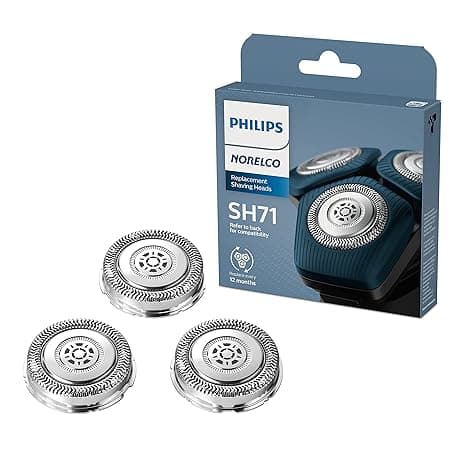
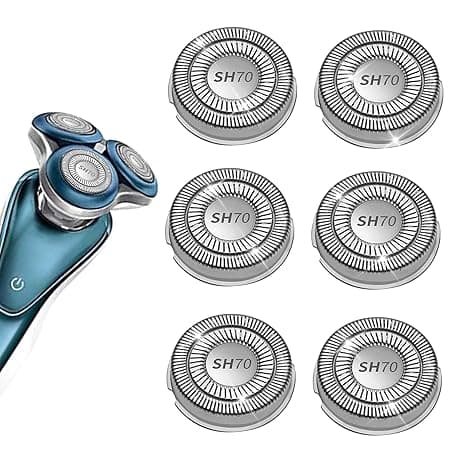
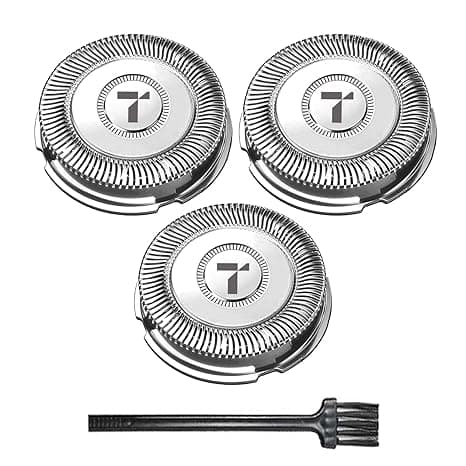
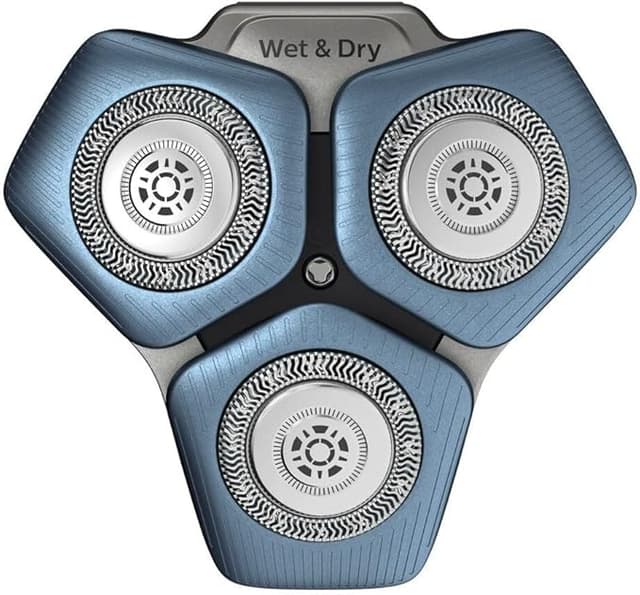
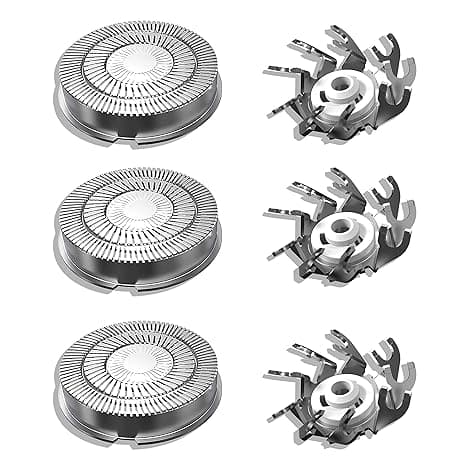
So I went looking, and here's the fork in the road every Series 7 owner hits. The genuine Philips SH70/52 replacement head runs about $55 most places, sometimes nudging $60 when it's not on sale. The compatible SH70-style cassette I ended up buying was $28. Same job — three rotating cutter-and-foil units that snap into the same housing — for basically half. And honestly? My first reaction was suspicion. Twenty-eight bucks for the part that actually touches my skin every morning felt like the kind of saving that comes back to bite you.
Because that's the real fear, right. It's not the money. It's "is the cheap one going to be rough, or rust, or fall apart in a month and cost me more than the OEM would have." I get it. A shaver head isn't a phone case. It's blades against your throat.
Does it actually fit? The install, honestly
This was the part I was bracing for. With these compatible cassettes the seating is where corners usually get cut. You press the two release buttons on the head, the old cassette lifts straight out, and the new one is supposed to snap in flush.
Mine did — but I'll be straight with you, the snap wasn't as crisp as the original. The OEM head clicks home with this confident, no-doubt-about-it sound. This one seated with a slightly softer "tk" and I actually pulled it back off and reseated it twice before I trusted it. Once it's in, it's in — it locks, it doesn't wobble, the head pivots and floats exactly like stock. But that first install, you do find yourself pressing a little harder and double-checking. The plastic on the cassette frame is a touch thinner than Philips uses. A hair more flex when you handle it. Not loose in the housing — just visibly built to a price when you've got both in your hand.
Last step, and don't skip it: a single drop of the little oil that comes in the box, run on the foils, then a few seconds with the shaver on to work it in. People skip this and then wonder why the new head feels grabby on day one. It matters more than the brand of the head does.
Four weeks of actually using it
First shave was good. Not perfect — good. There's a tiny break-in window, the first two or three mornings, where the foils feel a touch sharper-edged against the skin than a well-worn head. By about day four that settled and I genuinely stopped being able to tell I wasn't on an OEM cassette. Close on the cheeks, handles the grain change on my neck without me going over it five times, and that yanking-razor-burn nightmare that sent me shopping? Completely gone. My face felt like my face again.
Where it's a touch behind OEM: the very, very close finish. If I'm being a picky reviewer — and that's the job — the genuine Philips head gives me maybe a half-day more "I shaved this morning" smoothness on the most stubborn patch under my jaw. We're talking the difference a partner notices at midnight, not something you see in the mirror. For 95% of my mornings it's a non-issue. For a wedding-day, photographed-up-close shave, I'd reach for OEM. That's the honest line.
The real downsides — because there are some
Two things, and I want to be specific so you're not surprised. First, longevity. The genuine head has reliably given me a full year. This compatible cassette, four weeks in, is performing great — but I don't yet trust it to go the full twelve months the way Philips does. My gut, based on how the edges feel, says I'll be swapping it closer to eight or nine months. Even if that's true, two compatible heads a year is around $56, basically one OEM head. So the math still favors the cheap one, but barely — and only if you're honest about replacing it on time instead of riding it dull like I did.
Second, the packaging is cheap and the documentation is a joke. A thin paper sleeve, no real protective shell around the foils, and a one-panel instruction card that mostly shows the same press-and-snap you already understand. The oil vial is tiny. None of this affects the shave, but it does nothing to reassure you in that nervous unboxing moment, and I think they leave a lot of conversions on the table because of it.
Who should buy OEM instead
If you keep a shaver for six or seven years and want one head that you forget about for a full year, every year, with zero second-guessing — pay the $55 and buy genuine Philips. If you've got sensitive, breakout-prone skin where a brand-new foil's edge is a real problem for those first few days, the OEM's gentler out-of-box feel is worth it to you.
The verdict
For everyone else — which is most of us — the compatible cassette is the move, and I say that as someone who walked in skeptical and ready to return it. It restored my Series 7 from a face-yanking liability back to a clean, comfortable shave for $28 instead of $55, it fits and locks like it should, and the only honest knocks against it are cheap packaging and a longevity question I'm watching but haven't been burned by. The thing I was actually scared of — that the cheap head would hurt me or trash my shaver — never happened. The dull, neglected OEM head is what hurt me. A fresh compatible one fixed it for half the price. I'd buy it again. Already planning to.