Troubleshooting & Analysis
Sixty bucks for a new shaver, or eighteen for the part that actually wore out
That was the math that stopped me. My Norelco Series 7 had started tugging — not cutting, tugging — and the "fix" the brand wanted me to buy was basically a whole new razor. I'd already paid for the motor, the housing, the charger, the little travel pouch I've never once used. None of that was broken. The blades were. And there I was, cart open, about to spend fifty, sixty dollars to replace a $200 machine because three small cassettes had gone dull.
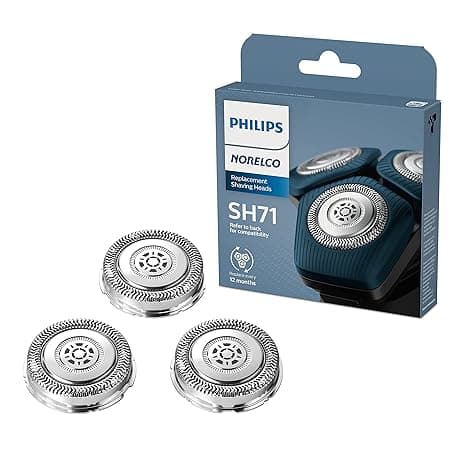
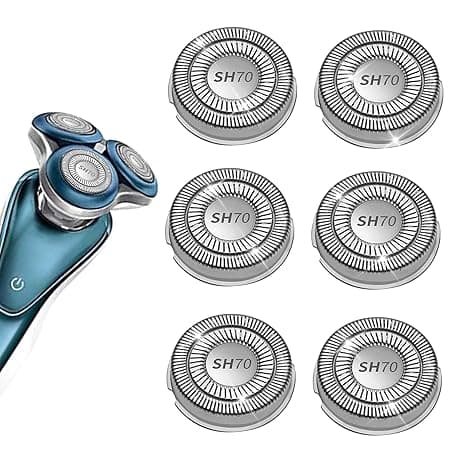
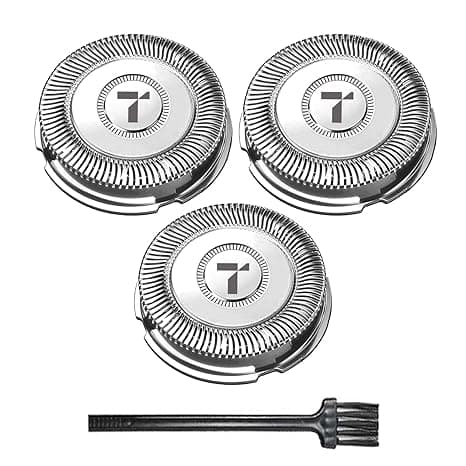
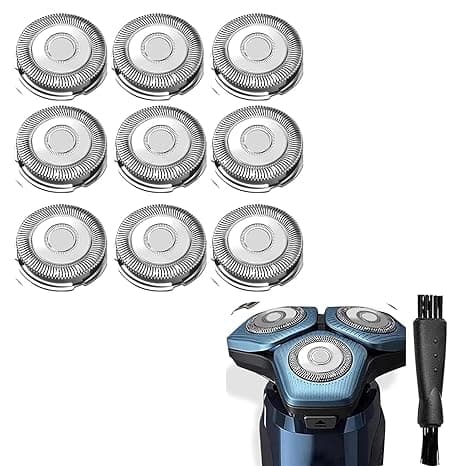
So I bought the compatible replacement head instead. Roughly eighteen dollars. I've now run it long enough to tell you exactly where it's great, where it's a little annoying, and who should ignore my advice and pay up for the genuine part.
Why the shave went bad in the first place
Here's the thing nobody tells you when the razor "stops working." The motor's fine. What kills a rotary shaver is the blade-and-guard set on top — the spinning cutters and the thin slotted caps they ride under. They dull. They get micro-nicked. And a dull rotary head doesn't fail dramatically, it just starts grabbing hairs and yanking them out by the root instead of slicing them clean. That's the razor burn. That's the red neck after. That's the "I need a new shaver" feeling that is actually just "I need a new head."
Norelco says replace the cutting head about once a year if you shave regularly. I'd gone closer to two. My fault. The point is the wear part is cheap and consumable by design — and you do not have to buy the brand's version of it.
Does the compatible head actually fit a Series 7?
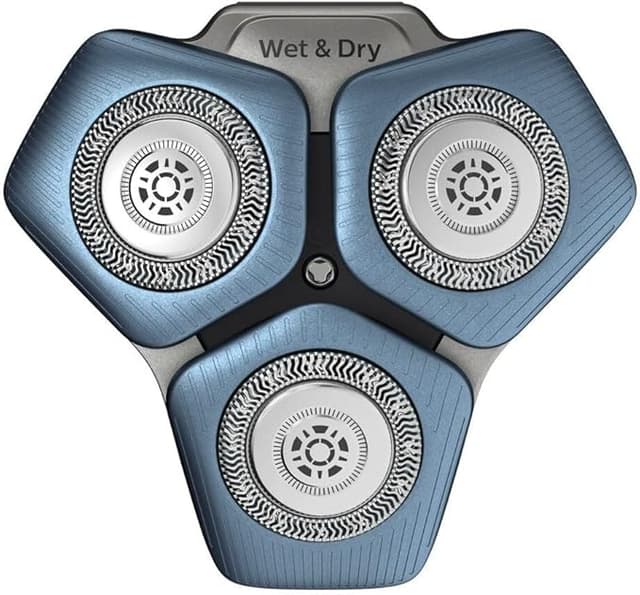
It seated on the first try, which honestly surprised me. You press the release buttons, the old head pops off, and the new cassette snaps into the same bayonet mount. There's a click — a real one, not a "I hope that's in there" click. The three rotary cups sit flush. The retaining ring spun on and locked exactly like the original.
One thing I'll be straight about: the plastic on the carrier is a hair thinner than the factory piece. You can feel it when it's in your hand, bare. Cheaper feel. But once it's clipped into the shaver and the ring is tightened down, that flex disappears completely — it's clamped, it's solid, and there's zero wobble against the skin. Felt the difference holding it. Couldn't feel it shaving. I'll take that trade for forty dollars.
After you snap it in, put one small drop of shaver oil on each cutter and run it dry for a few seconds. The instructions act like this is optional. It isn't, really — it's the difference between a quiet smooth first shave and a slightly grindy one. Takes ten seconds.
How it actually shaves
First pass, day one: close. Genuinely close. Not "almost as good" — just close. The cutters were sharp out of the package and they cut hair instead of dragging it, which is the entire job. No tug. No burn the next morning. My jaw and neck were as smooth as they were when the razor was new, and I'd half-expected to be writing a "you get what you pay for" warning here. I'm not.
Where's it a touch behind the OEM? Two honest things. One — the very tight cheek-and-neck contour, the spot where you angle the shaver hard, the genuine head grabs maybe one more pass worth of stragglers. With this one I do a quick second sweep there. Adds fifteen seconds. Two — the edge longevity. I'd bet the factory cassette holds its sharpness a couple months longer over a year of use. We'll see. But even if I'm replacing this thing every ten months instead of twelve, at eighteen dollars a pop I am miles ahead.
The packaging is nothing to write home about, by the way. Thin box, a little instruction slip, that faint new-plastic smell for the first day or two that fades the moment you oil it and run it. If pretty boxes matter to you, the brand wins. To my face, they don't.
The downside I won't sugarcoat
You're rolling the dice slightly on quality control. With the genuine head, every unit is the same. With aftermarket cassettes there's a little more spread unit to unit — most are great, a rare one is mediocre. Mine was great. But buy from a listing with a real return policy and a pile of reviews, and if the first shave feels gritty or pulls, send it back. Don't grind through a bad one out of stubbornness.
Who should just buy the genuine head
If your Series 7 is still under warranty and you're worried a third-party part voids it — pay for the brand one, keep your coverage, it's not worth the argument. Same if you shave every single day for work and want the absolute longest edge life and zero variability between replacements. For those folks the OEM premium is buying consistency, and that's a fair thing to buy.
For everyone else? Look — your shaver isn't broken. A small consumable part wore out, exactly like it was designed to. Replacing it for under twenty bucks brings the cut right back instead of throwing a working machine in a drawer and spending ten times that. I snapped a compatible head onto mine, oiled it, and got a clean, burn-free shave the next morning. I'd do it again. I have, actually — and that's the whole review.