Troubleshooting & Analysis
I figured a $20 head couldn't possibly cut like the real one
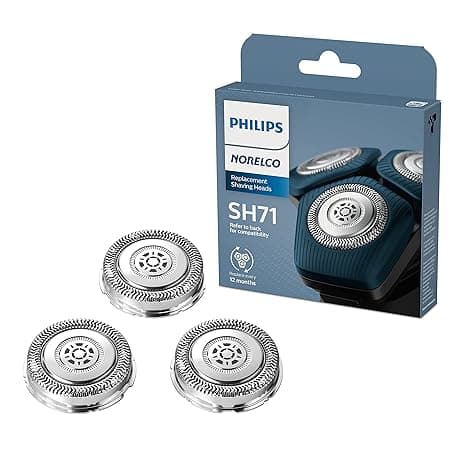
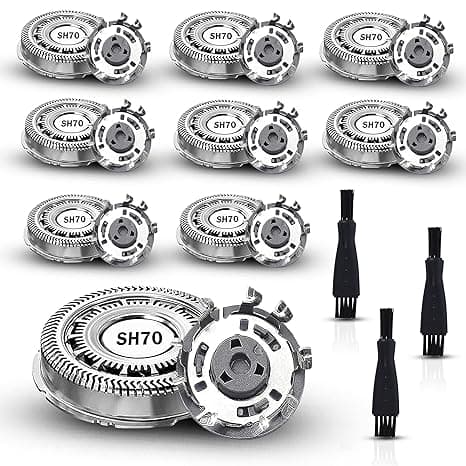
I'll be straight with you. When my Norelco Series 5 started tugging — that little pull-and-yank feeling where the hair gets grabbed instead of sliced — my first move was the same as yours probably is right now. I went looking at OEM replacement heads, saw the price, and felt my eye twitch. Then I saw the compatible cassette for less than half that, and I thought: no chance. There's no way a knockoff head gives me a clean shave. I'd just be sanding my own face for the next year.
So I bought both. The real one and the cheap one. I wanted to catch the compatible one failing so I could tell people to skip it. That was the whole plan.
It didn't fail. That's the annoying part.
The math that made me try it anyway
Here's what pushed me past the snobbery. A new Series 5 shaver — a whole new machine — runs you a chunk of money you don't need to spend, because the body of yours is fine. The motor's fine. The only thing that's gone is the cutting head, which is a wear part. It's supposed to wear out. Norelco knows that, which is why they price the OEM head where they do: it's the razor-and-blades game, and you're the blade buyer.
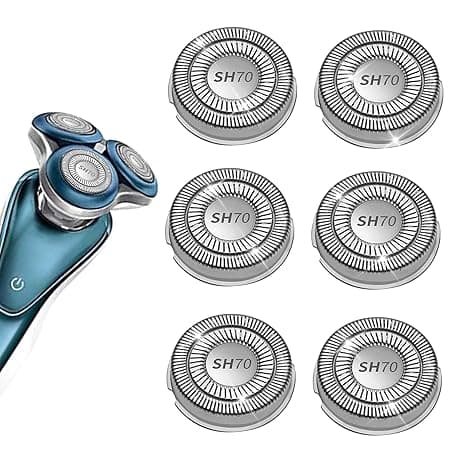
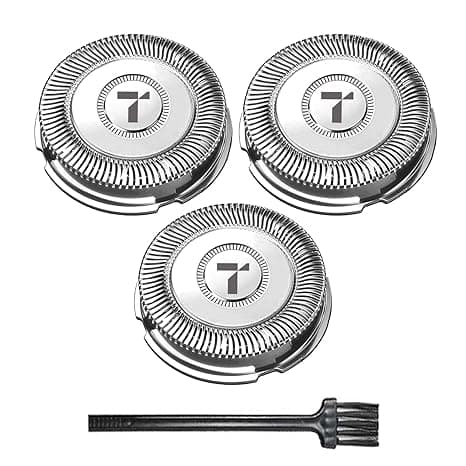
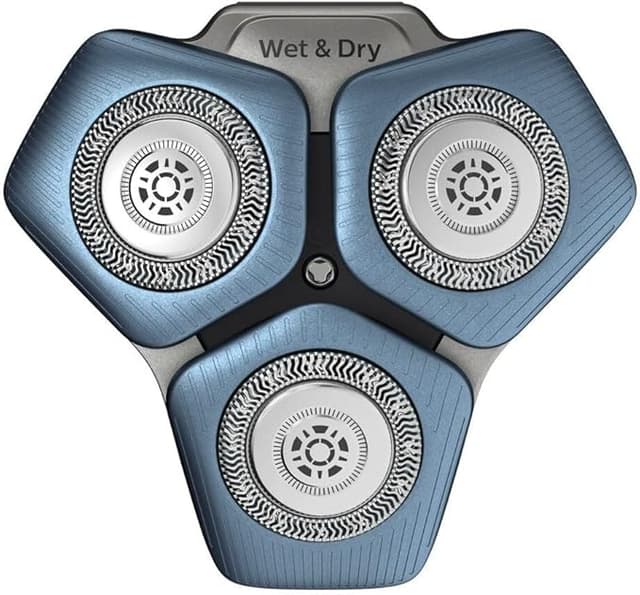
The compatible cassette does the one job — three rotary cutters, the comb-and-blade setup underneath — for a fraction of what a new shaver costs and well under the OEM head. Over a couple of years of replacing heads on schedule, the gap adds up to real money. Not "treat yourself" money. "That's a tank of gas every few months" money.
And look — a dull head isn't just a comfort thing. When those blades go soft, they stop cutting and start grabbing. That's where the razor burn comes from, the red neck, the irritation you blame on your skin when it's actually the machine. A worn head pulling hair is the shaving version of a saturated filter: the thing's still spinning, still making noise, but it's not doing the work anymore. Letting it ride is how you end up thinking you "can't shave without irritation." You can. Your head's just dead.
Putting it on — does it actually seat?
This is where I expected the cheap one to embarrass itself, and it mostly didn't. You press the release buttons, the old head pops off — same as always. The new cassette snaps into the holder, and here's my one honest gripe on fit: the snap felt a hair less confident than OEM. With the genuine part there's this crisp, definite click and it sits dead flush. The compatible one seated fine, locked in fine, but the click was softer and the first time I did it I pressed twice just to be sure it was home. It was. I put a single drop of shaver oil on the cutters before the first run — do that, it's not optional in my book — and let it spin a few seconds to work it in.
No rattle once it was on. No wobble in the head. It tracked my jaw and neck the way the unit's supposed to. So the fit anxiety I walked in with? Overblown.
The honest performance read
Day one, the shave was genuinely close. Not "almost as good" — close enough that if you'd swapped it on me blind I'd have argued it was the OEM. Cheeks, jaw, the flat easy parts: identical, far as my face could tell.
Where I'll give OEM the edge, and I'm not going to pretend otherwise: the very first shave or two, the compatible head felt a touch less glassy on the tricky spots. Right under the jaw, that awkward patch on the neck where the hair grows four directions at once. The genuine head felt a half-step smoother there out of the gate. By about the third or fourth shave that gap closed — I think the cutters needed a short break-in, same as a new pair of boots — and after that I honestly stopped noticing a difference at all.
The other small thing: the packaging is cheap. Thin plastic, plain print, none of the heavy boxed presentation Norelco gives you. Doesn't touch the shave. But if a flimsy box is going to make you trust the part less, you should know that's coming so it doesn't spook you when it lands.
So who should still buy OEM?
I'll tell you honestly where I'd send you the other direction. If you've got skin that flares at the smallest thing — genuinely reactive, dermatologist-on-speed-dial skin — and that first-couple-shaves break-in window worries you, pay up for the genuine head and skip the variable. And if you're the type who'll lie awake wondering whether the cheaper part is "really" the same, buy OEM for your own peace and call it cheap insurance. No shame in it.
Everybody else? I came in trying to bust this thing and I couldn't. It snapped on, it shaved my face clean, it didn't chew me up, and it cost me a fraction of a new shaver and well under the genuine head. The soft click, the short break-in, the sad little box — those are the real downsides, and that's the whole list.
For what it does and what it costs, I'd buy it again. I already did, actually — my second one's in the drawer waiting for when this head wears down. That's the most honest endorsement I've got: I spent my own money on a second one before I needed it.