Troubleshooting & Analysis
The click is the tell
First thing I noticed wasn't the shave. It was the sound. When I pressed the new cassette down onto my SensoTouch, it gave this short, dry snap — not the mushy half-seat I got from the last off-brand head I tried two years ago, the one that rattled a little if I tilted the shaver. This one locked. I shook it next to my ear like a paranoid person. Nothing moved.
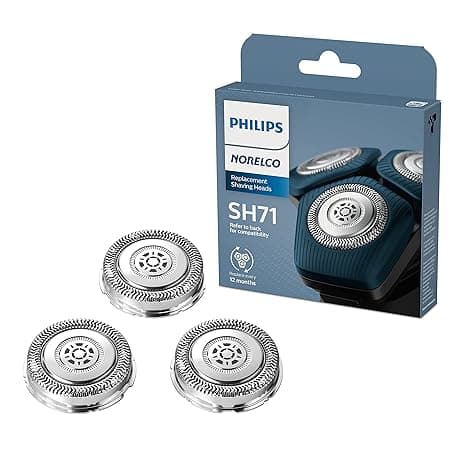
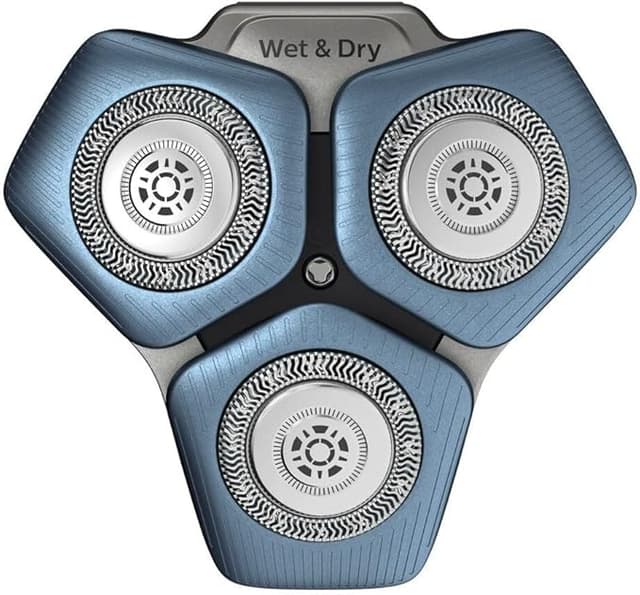
That mattered to me because I'd been putting this off. My RQ12 — the three-headed GyroFlex unit Philips Norelco built for the SensoTouch and 1200/1250 line — had gotten genuinely unpleasant. You know the stage. The motor still sounds fine, the battery still holds, but the heads are pulling whiskers instead of slicing them, and you finish a pass with that hot, stippled burn along the jaw. I'd been blaming my technique. It wasn't my technique. It was three blade cassettes that had quietly gone dull over about eighteen months of daily use.
The price gap that made me hesitate — then made the decision easy
Here's the math that almost sent me down the wrong road. A genuine Philips RQ12 replacement head, the real boxed one, runs around $45 most places I checked, and I've seen it nudge past fifty when stock is thin. Fine — except a brand-new SensoTouch in this same line is what, eighty, ninety bucks on a sale? So your brain does this stupid thing: "for forty more I could just get a whole new shaver." That's exactly the trap. You'd be tossing a perfectly good motor and battery to solve a dull-blade problem.
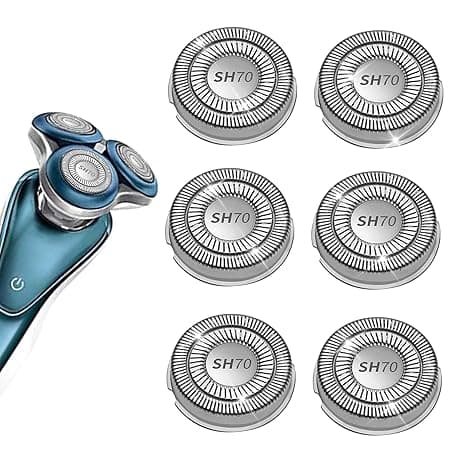
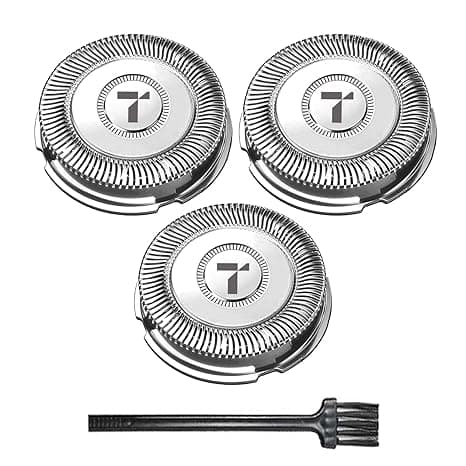
The compatible RQ12-style cassette I bought ran me $19. Call it twenty with the rounding. So the real comparison was never new-shaver-versus-head. It was $19 to bring my existing machine back to a clean cut, versus $45 to do the identical thing with Philips printed on the box. That's a $26 gap for — as far as I can tell after living with it — the same outcome. Annualize it. If you replace heads every year to year-and-a-half like you're supposed to, the compatible route saves you the better part of thirty dollars each cycle, and you keep the shaver you already know.
Install: three steps, and the one that trips people up
Swapping it is almost insultingly simple, but there's one spot people fumble. You press the release buttons on the head frame, the old cassette assembly lifts out, and the new one snaps in — that's the click I was going on about. The part folks skip: after it's seated, put a single drop of light oil on each blade head and run the shaver for a few seconds so it works in. Norelco's own guidance says to do this and most people ignore it. Don't. The new blades come basically dry, and that first dry shave out of the box is where the "this compatible junk scratches!" reviews come from. One drop of oil, ten seconds of running, and the difference in glide is night and day.
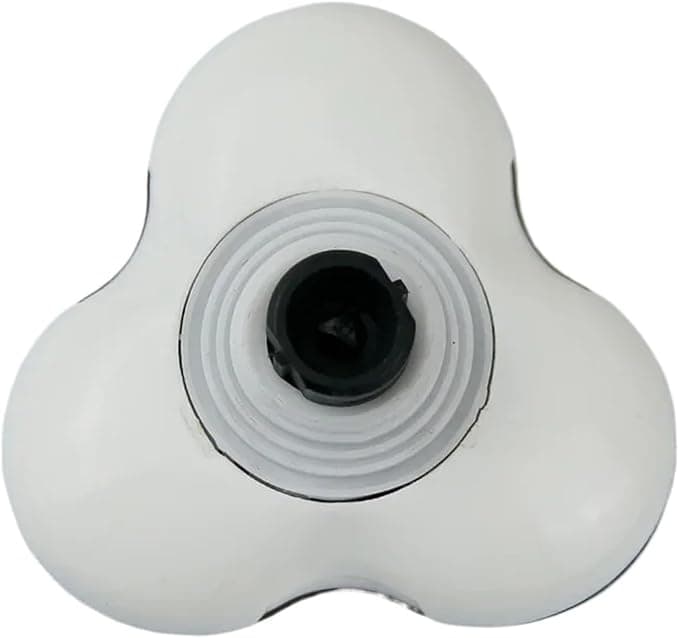
Fit-wise, I'll be straight with you: it dropped into the GyroFlex frame with no fighting at all. Each of the three round cutters sits flush, the heads still pivot and float the way they're supposed to over your jaw and neck. I was braced for some shimming or a head that sat a hair proud — got none of it.
How it actually shaves — and where it's a touch behind
Day one, honestly, it was great. Close, smooth, that satisfying first-cut-on-fresh-blades feeling where you keep rubbing your cheek because you can't believe it. Through the first three weeks it held that. I shave five, six days a week, dense growth, and it kept up.
Now the honest part, because a review that's all sunshine is worthless. Two things.
One: there's a faint metallic-plastic smell the first couple of days. Not strong, but if you bring the shaver up to your nose — which you will, because you'll be inspecting your new purchase like I did — it's there. It's the cutter coating and the fresh plastic off-gassing. It was gone by day three and never affected the shave. But it's real, so I'm telling you.
Two, and this is the one that actually matters: I think the genuine Philips cutters hold their edge a little longer. This is a feel thing, not a lab thing, so take it as one guy's impression — but the OEM heads I've run gave me maybe sixteen, seventeen months before I noticed the pull coming back, and my gut says this compatible cassette will start fading a couple months sooner than that. Call it twelve to fourteen months instead of sixteen. Which, at a $26 saving per swap, I genuinely do not care about. I'd rather replace a $19 head a little more often than a $45 one a little less often. The cheaper one wins that trade every time you run the numbers.
Why a dead head isn't just an annoyance
The thing people underrate: dull cutters don't just shave worse, they shave rougher on your skin. When the blade can't sever the whisker cleanly it grabs and tugs it before cutting — that's the razor burn, the ingrown hairs, the irritated patch under the jaw that you start blaming on your soap. A worn head turns a two-minute shave into a low-grade skin problem. Restoring a sharp edge isn't vanity maintenance; it's the difference between your morning shave leaving your neck calm or leaving it stippled and stinging. I forget this every time, and every time I swap heads I'm reminded the day after how much smoother my skin feels.
Who should buy the real Philips instead
I'm not going to pretend the OEM head is pointless. If you're the type who keeps a shaver eight years and wants every single replacement to be the longest-lasting possible, or you've had a genuinely bad experience with a no-name cutter scratching you, buy the Philips and sleep easy — that $45 is buying you a little extra edge life and zero second-guessing. If you're under warranty and worried a third-party part voids something, check that first.
For everyone else — which is most of us — here's where I land. I ran this compatible RQ12 cassette for weeks, it dropped in clean, it cut close, it cost me $19 against $45 for the name, and the only honest knock against it is that it'll probably want replacing a few months sooner. For twenty-six bucks back in my pocket and a shave I can't tell apart in the mirror, I'd buy it again. And I already have — there's a spare in the drawer.