Troubleshooting & Analysis
I stood in the drugstore aisle holding both, doing the math
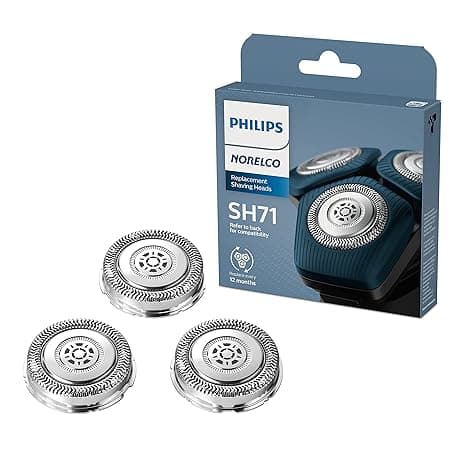
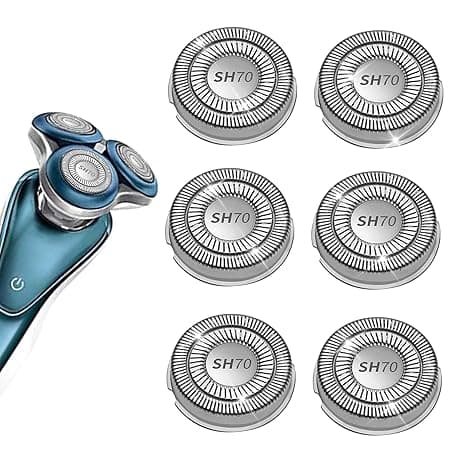
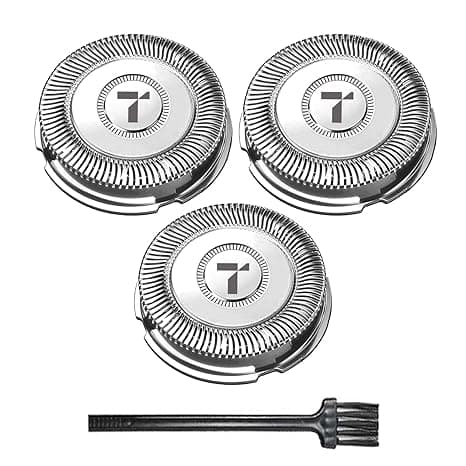
One hand had the genuine Norelco replacement head. The other had the compatible one, same shape, same three-cassette layout, less than half the price. And I just stood there for a minute like an idiot, because I'd already convinced myself the cheap one would shred my face. That's the whole fear, right? You don't want to save twenty bucks and then walk around for a week looking like you lost a fight with a cat.
Here's where I landed, and why — after running the compatible head on my Norelco for the better part of five months.
The price gap is the only reason this conversation exists
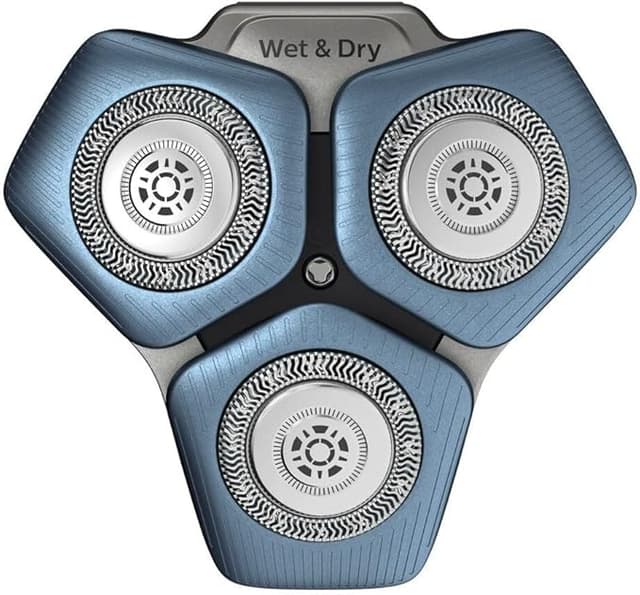
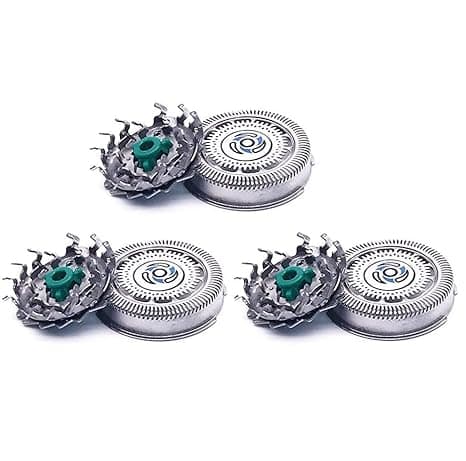
Genuine Norelco heads are not cheap. Depending on which cassette your shaver takes, the OEM replacement runs somewhere around $45 to $50, and some of the newer ones creep past that. The compatible head I bought was $19. So we're talking a roughly $26 to $30 difference for what is, functionally, the same job: three rotary blades and their guards, dropped into the same housing.
And the part people forget — Norelco wants you to swap heads about once a year. So this isn't a one-time decision. Over the life of a shaver you're buying this thing three, four, five times. At $50 a pop that's real money. At $19 it's an afterthought. The annual math is the whole pitch, honestly: you're either spending fifty bucks a year to keep an old shaver sharp, or nineteen.
The other option people float is "just buy a whole new shaver." Don't. A new mid-range Norelco is north of $150, often well over $200 for the 9000 series. You don't replace the engine because the blades got dull. You replace the blades.
Does it actually seat right? Mostly — with one quibble
This is where I was most nervous, because a head that doesn't lock in flush is a head that's going to pinch. The install itself is dead simple. You press the release buttons, the old head pops off, and the new cassette snaps into the housing. There's a click. You want that click.
And I'll be straight with you: the click on the compatible one was a hair less confident than the OEM. Not loose, not rattling, but the tolerances are a touch wider than genuine Norelco. The first time I seated it I actually pulled it back off and re-seated it twice because I didn't trust that it was fully home. It was. After that first install I stopped worrying — it's held position through months of daily use without ever working loose. But that first-day "is this in right?" feeling is real, and you should expect it instead of panicking like I did.
One thing the cheap heads almost never mention but matters: put a single drop of light oil on the blades before the first run. The genuine cassettes come pre-lubed and glide from minute one. This one ran a little dry and a little loud out of the package. One drop of oil, let it spin for ten seconds, and the noise dropped and the glide showed up. Skip that step and you'll swear the compatible head is rougher than it actually is.
The honest performance take
For the bulk of my face — cheeks, neck, the flat easy stretches — I genuinely could not tell you which head was on the shaver. Close, clean, no pulling. That surprised me. I went in expecting the aftermarket blades to skip and tug and they just… didn't.
Where it's a touch behind: the very first two or three shaves. New aftermarket blades have a faint break-in period where they're not as glassy-smooth as a fresh OEM head on day one. By the end of the first week mine had settled and matched. But I won't pretend those first couple of mornings were identical to genuine — they weren't, quite. A little less effortless around the jawline.
The other spot where genuine pulls slightly ahead is the long haul. I'd believe a genuine Norelco head holds its edge a few weeks longer than a $19 compatible before it starts to dull. So if you're the kind of person who runs a head fourteen months instead of twelve, the OEM might out-last the gap. For me, at this price, I just swap a little sooner and don't think about it.
The real downsides, because there are some
The packaging is junk. Thin plastic clamshell, no satisfying box, instructions printed like an afterthought. It doesn't affect the shave but it does nothing to calm the "did I buy a knockoff?" nerves, and first impressions matter when you're already anxious.
There was a faint plastic smell off the new cassette the first day or two — that fresh-molded-plastic thing. It aired out completely within about three days and never touched the actual shave, but it's there when you open it.
And the build, up close, just feels a grade cheaper. The plastic of the frame is a little lighter, the finish a little less premium than genuine Norelco. It doesn't flex or creak in use, but if you hold the two side by side you can feel which one cost more. That's the trade. You're paying for the cutting parts to work, not for the housing to feel luxurious.
Why a dull head is more than an annoyance
This is the part that actually pushed me off the fence. Dull blades don't just give a worse shave — they pull hair instead of slicing it, and that drag is what causes the razor burn and the irritation people blame on "sensitive skin." Nine times out of ten it's not your skin, it's a tired head you've been nursing for eighteen months. A fresh, properly-seated cassette — even a $19 compatible one — fixes that overnight. Running a worn head to save money is a false economy your neck pays for.
Who should buy OEM — and who should grab this
If you have sensitive skin that flares at the slightest provocation, or you're the type who wants that day-one genuine glide with zero break-in and zero fiddling, pay the extra and buy the Norelco head. No shame in it. Some people just want the sure thing and the premium feel.
But me? I've now bought the compatible head twice. Same close shave on the parts of my face that matter, a one-drop-of-oil first run, a few break-in days, and roughly $30 back in my pocket every single time. It does the same job. For that price gap, doing that job, I'd buy it again — and I have.