Troubleshooting & Analysis
Two tiny filters, one nervous cat owner, and a $6 question
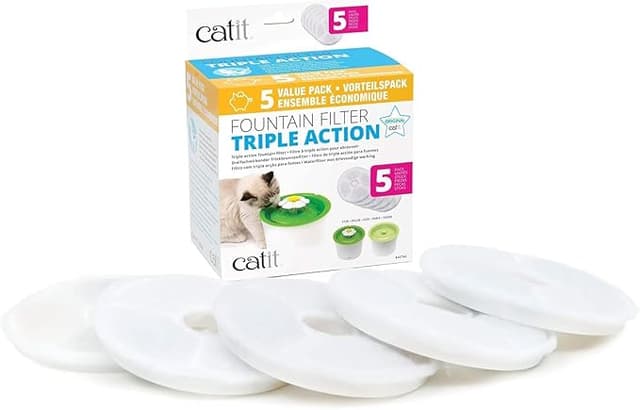
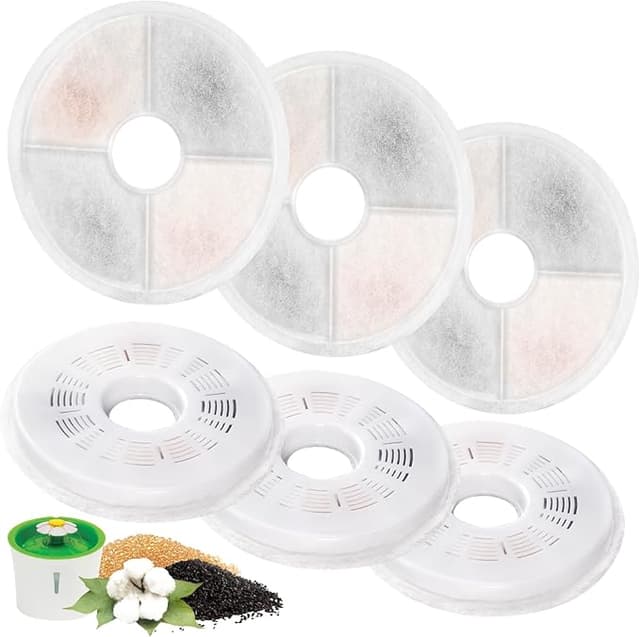
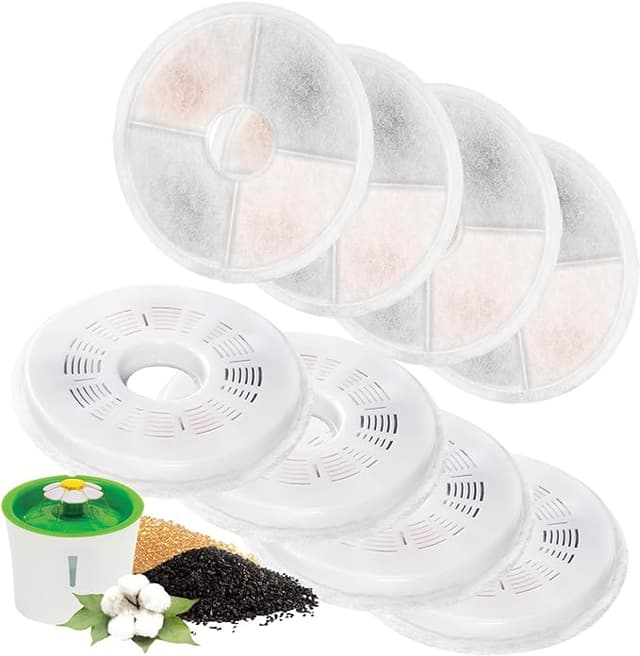
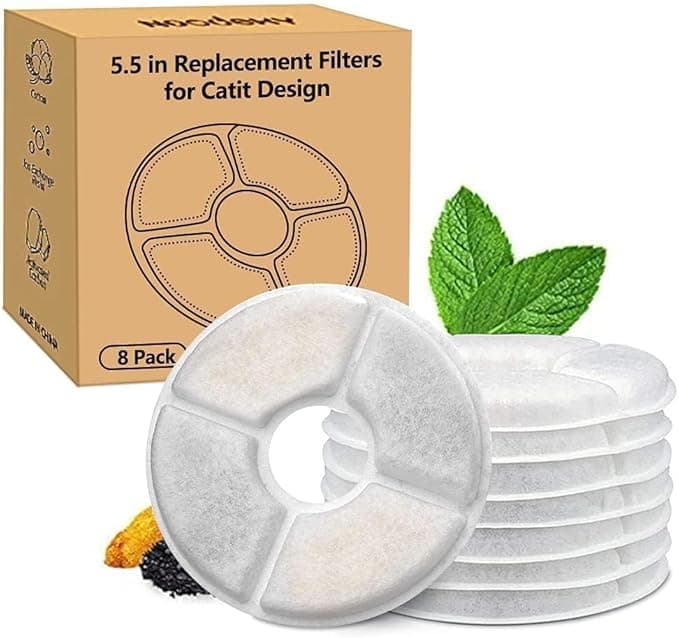
I was standing at the kitchen counter at 11 at night holding two little flower-shaped filters side by side. One was the genuine Catit pad that came with my Flower Fountain. The other was a compatible pack I'd grabbed because, honestly, I was tired of the genuine three-packs running out and costing what they cost. My cat, Biscuit, was sitting on the counter watching me — which she does whenever the fountain gets touched, because she's nosy. And I had this dumb little moment of doubt: if I put the cheap one in, is she going to stop drinking? Is the water going to taste like plastic to her? Is something going to go wrong that I won't notice until she's not feeling well?
So I did what I always do. I tested it. I ran the compatible filter in my actual fountain, in my actual kitchen, watched by my actual judgmental cat, for the better part of two months. Here's what I found.
The price math is the whole reason you're here
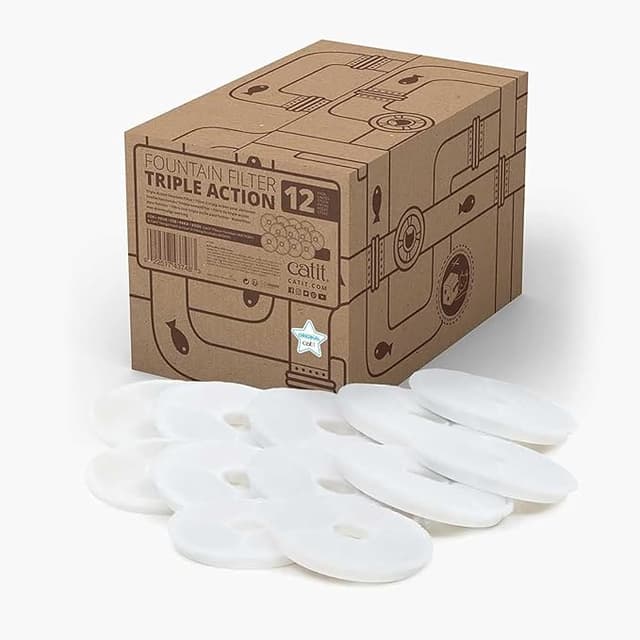
Let's be real about why anyone shops for a compatible Flower Fountain filter in the first place. The replacement interval on these is short — Catit themselves say swap the carbon pad every 2 to 4 weeks. I run mine on the tighter end, every two to three weeks, because I've got hard-ish water and a cat who drinks a lot. That means you're burning through roughly 18 to 26 filters a year. At genuine prices, that adds up fast — easily $35 to $40 a year in pads alone, sometimes more if you buy the small packs.
The compatible packs I've been using land closer to a few bucks per filter when you buy the bigger count. Over a year that's the difference between spending about $40 and spending around $15. Call it a $25 swing — for a part you flush down a fountain every couple of weeks. That's not nothing. That's a couple of bags of the good treats Biscuit actually likes.
Does it actually fit? Yeah — with one fussy step
The Flower Fountain filter compartment is forgiving, but the compatible pads are a hair less precisely die-cut than the genuine ones. The first one I dropped in sat a little proud in the well — not floating, just not fully nestled. The fix is the same prep step the instructions already tell you to do, and the step matters more with the compatible ones than people realize: soak it. Ten minutes in a cup of water before it goes anywhere near the fountain. The carbon pad starts dry and a touch stiff, and a dry filter won't seat flat and won't pull water through evenly. After a ten-minute soak and a good rinse under the tap, mine compressed down and dropped into the compartment with that small settled feeling you're looking for.
So: soak, rinse hard, then place. Don't skip the rinse either — the first time I rushed it and just soaked, the very first bowl of water had the faintest gray tint from loose carbon dust. Rinsing under running water until it runs clear takes thirty seconds and fixes it completely. Do that and the fit-and-install story is basically identical to the genuine pad.
Performance, honestly
Day to day, I genuinely can't tell the difference in the water. The triple-action thing — catching hair, grabbing debris, knocking down off-tastes — it does. Biscuit sheds like it's her job, and within a day the compatible pad had the same little halo of caught fur the genuine one gets. The water stayed clear, no surface film, no smell when I leaned in to check (yes, I sniff my cat's water, this is who I am now). Drinking behavior didn't change at all, which is the real test — cats are pickier about water than we give them credit for, and Biscuit would've boycotted it if it tasted off. She didn't.
Where it's a touch behind: the genuine carbon pad holds its "fresh" performance a day or two longer at the tail end of the cycle. With the compatible one, by about week three I could see the foam starting to look loaded and the flow getting just slightly lazier than a fresh pad. Not gross, not unsafe — just the signal that it's time. With the genuine pad I felt like I had a few extra days of grace. So if anything, the compatible filter rewards you for swapping it on schedule rather than stretching it.
The real downsides — because there are some
First: that faint plastic-and-carbon smell out of the bag. The first day, fresh from the package before soaking, a couple of the pads had a slightly chemical, new-foam smell. The soak-and-rinse kills it — by the time it's in the fountain there's nothing — but it's there at the start and it'll make you second-guess for a second. Don't let it. That's what the prep step is for.
Second: the packaging and consistency are cheaper. The pads come in a plain bag, and across a pack of a dozen you'll get one or two that are cut a millimeter off or have a slightly thinner foam backing than their siblings. None of mine failed — but the quality control is visibly looser than the branded ones, and if you're the kind of person that bugs, know that going in.
Third, and this is the one that actually matters: with the compatible pads I am stricter about the calendar, not looser. Here's why. A loaded, neglected fountain filter is genuinely a problem — saturated foam stops trapping debris, slime starts building in the basin, and stagnant water grows bacteria fast. That's the actual health risk with any pet fountain, branded or not. The compatible filter does the same job, but since its end-of-life grace window is a hair shorter, I treat "every 2–3 weeks" as a hard rule instead of a suggestion. Set a phone reminder. Wipe the basin and pump when you swap. That habit matters way more than which brand of pad you buy.
Who should buy the genuine one instead
If you tend to forget the swap and stretch your filters to a month-plus, splurge on the genuine pad for that extra few days of grace — you'll need the cushion. And if a slightly-off cut or a plain bag is going to nag at you every two weeks, your peace isn't worth the savings, so just buy branded and don't think about it.
For everybody else? After two months, a clear fountain, and a cat who never once side-eyed her water, I went back and reordered the compatible pack — not the genuine one. Same job, the same fresh water for Biscuit, and about $25 a year I'd rather not hand over for a part I'm throwing away every couple of weeks. Soak it, rinse it well, swap it on time, wipe the basin. Do that and the cheap one is the smart one. I've done it, and I'm doing it again.