Troubleshooting & Analysis
Forty bucks a year for a sponge with a hole in it
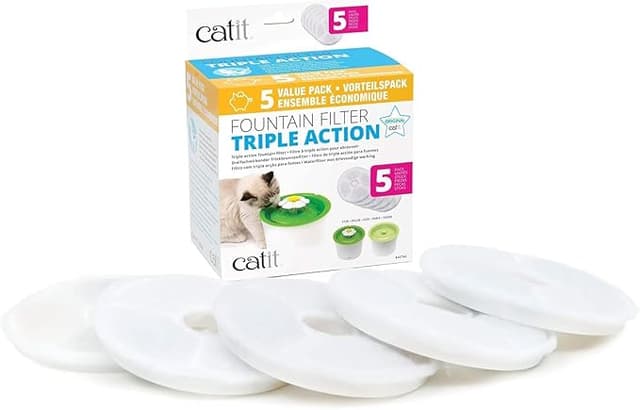
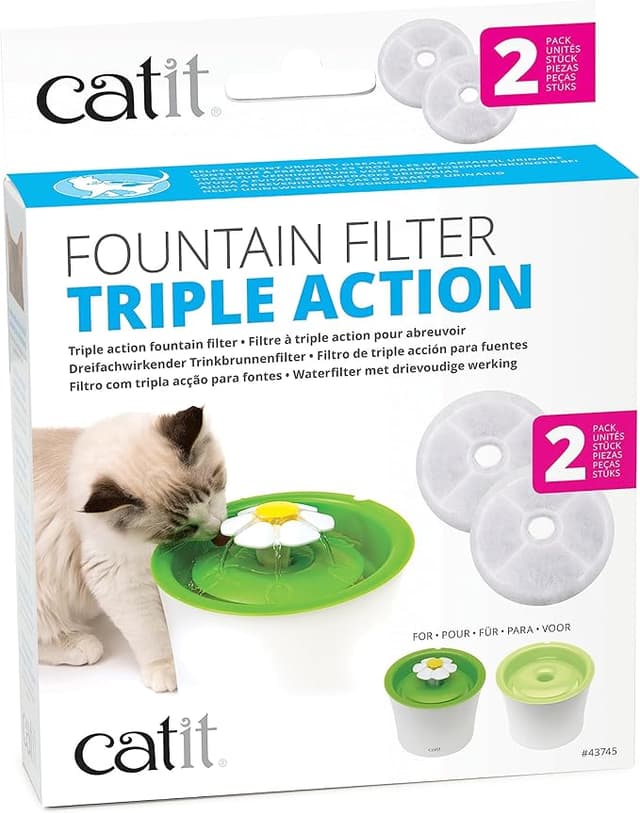
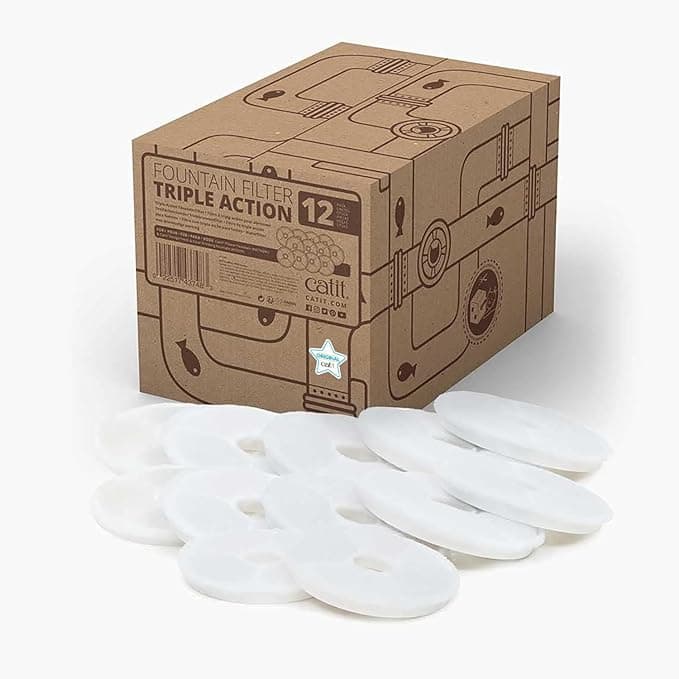
That's the number that finally got me. I did the math one night standing at the kitchen counter, fountain dripping behind me, looking at a three-pack of genuine Catit Flower Filters that runs around $13 — and then realizing my cat goes through one every three to four weeks if I'm honest about it. Catit even says replace every two to four weeks. So call it twelve to fifteen filters a year. The OEM packs work out to somewhere north of $40 annually on the brand-name pads, and that's before you count the carbon refills they sell separately. Forty-plus dollars a year to keep a pump from chewing on cat fur. For a part that is, functionally, a disc of poly batting and a scoop of charcoal.
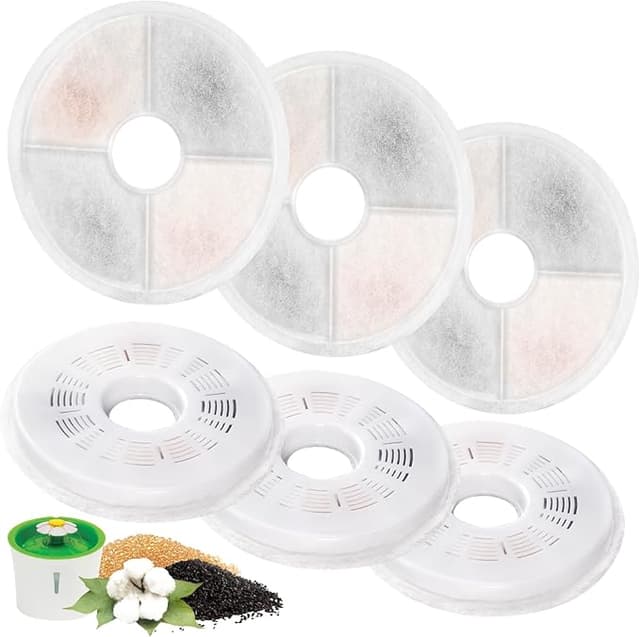
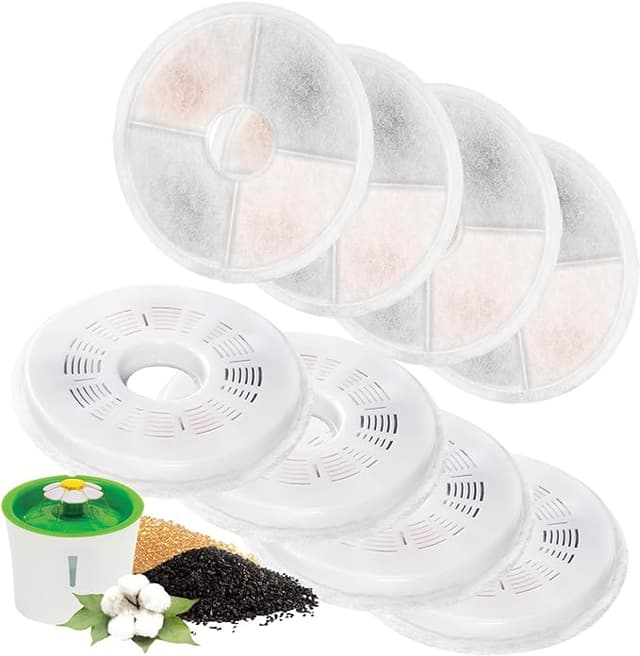
The compatible Flower Filter packs I switched to land closer to $9 for a six-pack — roughly half the per-filter cost, sometimes less when you buy the bigger box. Same circular pad, same little carbon pocket, same job. I've been running them in my Catit Flower Fountain for the better part of a year now. Here's the honest rundown, downsides included, because a filter review with zero complaints is a filter review nobody should trust.
Does the cheap one actually fit?
This was my first worry too. The Flower Fountain has that little recessed well where the filter sits under the flower top, and if the disc is even a couple millimeters off you get the pump whining or water sneaking around the edge instead of through it. The compatible pads I've used drop into that well and seat flush. No trimming, no folding a corner under. The fit on these is genuinely a non-issue — the form factor is simple enough that there's not much for a third party to get wrong.
Install is the same dance as OEM. Unplug the pump first — always, water and a live pump is a dumb risk. Lift the flower top off, pull the old gray-brown pad out (and it will be gray-brown, that's the point), give the well a quick wipe with a dry cloth so you're not trapping gunk under the new one. Drop the fresh pad in, charcoal side down the way the original sat, set the flower back on, plug in. Thirty seconds. I do it while the coffee's brewing.
Where it matches OEM — and where it's a hair behind
On the thing that matters — keeping fur, grit, and that slimy biofilm out of the pump — these perform like the originals. Water comes out clear, the pump stays quiet, my cat drinks the same as ever. The carbon does its carbon thing for the first couple weeks; water tastes flat and clean if I sip it (yes, I tested my cat's water, don't judge). After about two weeks the charcoal is spent and it's really just mechanical filtration, but that's true of the OEM pads too. Carbon doesn't last forever in anyone's filter.
Where's it behind? The batting on some compatible pads is very slightly thinner and less dense than Catit's own. In practice that means if you've got a heavy shedder, you might find one of these loads up with fur a few days sooner than the genuine pad would. I run mine a touch shorter on the cheaper ones — closer to three weeks than four — and that small adjustment erases the difference. Given I'm paying roughly half price, swapping a week early still leaves me way ahead on cost.
The real downsides, no sugarcoating
First one: the packaging is bargain-bin. The OEM box is a tidy printed thing; a lot of the compatible six-packs show up in a plain poly bag or a flimsy cardboard sleeve. Doesn't affect the filter, but if you were hoping for that nice retail feel, you won't get it.
Second, and this is the one to actually pay attention to: quality control across compatible brands is more variable than OEM. Out of the dozens I've gone through, I've hit maybe two pads where the carbon pocket was stitched a little loose, with a few grains of charcoal rattling around in the bag. Not enough to matter once it's in the fountain — the well holds it fine — but it's the kind of thing genuine Catit pads don't do. If you're the type who needs every unit identical, the compatibles will occasionally annoy you. Buy from a seller with real review volume and you mostly dodge this.
Third, minor: the first day with a fresh carbon pad, I sometimes get a faint new-charcoal smell off the water if I lean in close. It's gone by day two once the fountain has cycled a few times. My cat never cared. I rinse new pads under the tap for ten seconds before installing and it basically eliminates it.
Why you shouldn't just stretch the old one
Quick word on the temptation to push a filter to six weeks to save money — don't. A saturated pad stops filtering and starts feeding the pump fur and slime directly. The Flower Fountain's little pump impeller is the one part you can't cheaply replace, and a clogged filter is exactly what burns those out early. You run the pump dry-ish against a wall of matted fur and it overheats and dies. At that point you're not buying a $9 six-pack, you're buying a whole new fountain. The filter is the cheap insurance. The pump is the thing it's protecting. That math makes replacing on schedule a no-brainer, OEM or compatible.
So who should buy what?
Buy the genuine Catit pads if you want zero variability, you've had a bad compatible experience before, or the few-dollars-a-year difference genuinely doesn't register for you — that's a fair call, no shame in it. The OEM pads are good pads.
But for me? I've got one cat, one fountain, and a filter that needs swapping a dozen-plus times a year. Paying half for a pad that fits the same, filters the same, and protects the same pump — with the only real cost being uglier packaging and the rare loose stitch — that's an easy yes. I've bought the compatibles three or four reorders running now, and I'll buy them again next time the well goes gray. Rinse the new one, swap a few days early if your cat's a shedder, and you'll never notice you went off-brand. Your wallet will.