Troubleshooting & Analysis
It snuck up on me. One morning my Series 9 just stopped cutting — it was grabbing. You know that feeling when the shaver runs across your jaw and instead of a clean pass you get this tug, like the hairs are being yanked out one at a time? That was me, standing at the sink, swearing, going over the same patch of neck four times and still coming away with stubble and two angry red welts. I'd been telling myself the head was "fine" for months. It wasn't fine. The foils were worn paper-thin and the cutter underneath had gone dull, and a dull cutter doesn't shave — it pulls. By the time I noticed, I'd given myself a week of razor burn and blamed it on the weather.
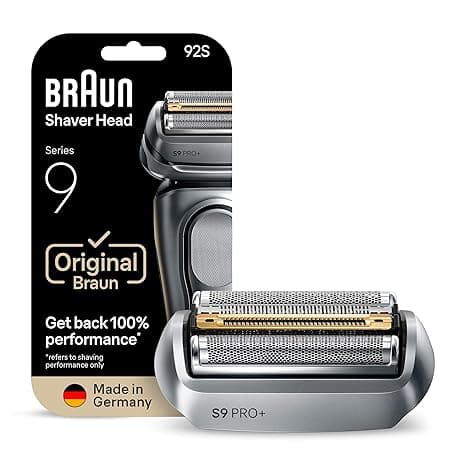
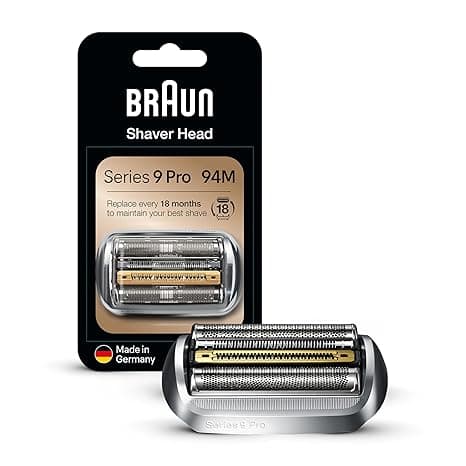
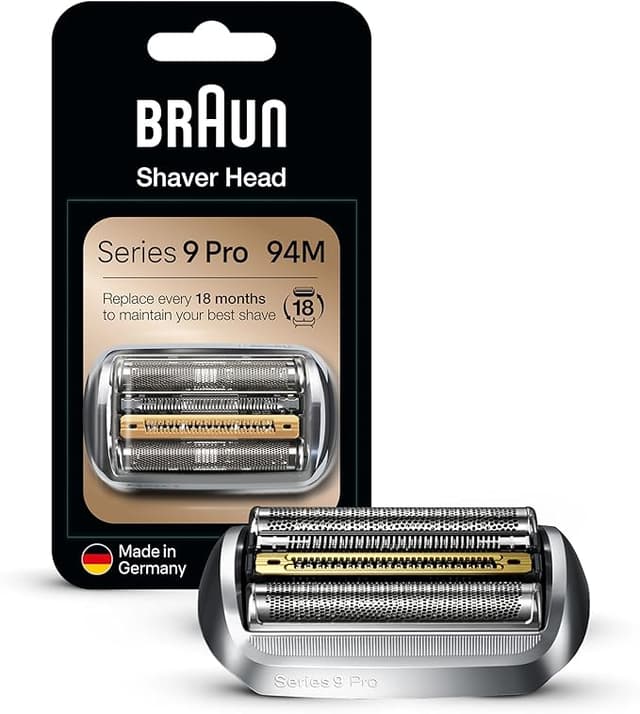
So I did the math on a replacement, and that's where the sticker shock hits. A brand-new Series 9 is north of $250 if you walk into it cold. A genuine Braun cassette — the foil-and-cutter head that actually does the work — runs you somewhere around $55 to $65 depending on the week and the model. For a part that's basically two thin sheets of metal and a blade block. I get why people just keep grinding a dead head into their face for another three months: nobody wants to pay sixty bucks for that.
What I actually bought instead
The compatible cassette I picked up ran me $24. That's the whole pitch, right there. Same job — restore the cutting edge so the shaver stops yanking — for less than half what Braun charges, and a tenth of what a new shaver costs. I'll be honest, I didn't trust it. Twenty-four dollars for the thing that decides whether I bleed in the morning felt like exactly the kind of corner you shouldn't cut. I bought it half-expecting to write a warning instead of a recommendation.
The install — genuinely a non-event
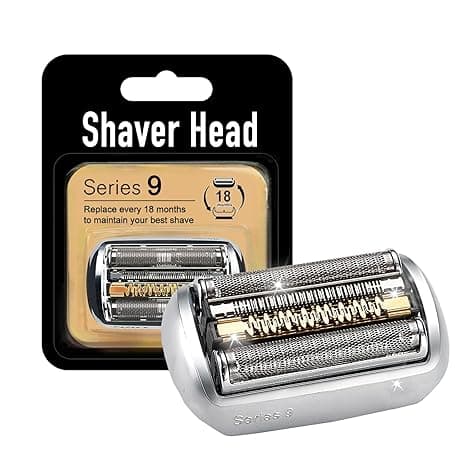
This is the part Braun makes easy and the aftermarket guys didn't manage to screw up. You press the two release buttons on the sides of the head, the old cassette pops off, and the new one snaps in. There's a real click when it seats — and that click matters, because if you don't hear it the head isn't locked and it'll rattle. Mine clicked first try. Then a single drop of oil across the foils, run it dry for a few seconds to spread it, and you're done. Ninety seconds, no tools. If you've ever changed a head before, your hands already know how.
Fit-wise: it sits flush. Not OEM-flush, if I'm being picky — there's a hair more play in the frame than the Braun cassette had, the kind of thing you'd only notice if you wiggled it on purpose. In actual use, on my face, pressing against skin, I cannot feel the difference. It doesn't pivot oddly, it doesn't lift at the edges, it tracks my jaw the same way.
The honest performance read
First three shaves, it cut clean. The tug was gone — that's the headline. The thing I bought it to fix, it fixed, immediately and completely. On flat ground, cheeks and the flat of the jaw, I'd defy anyone to feel a difference between this and the genuine head. Close, comfortable, no irritation.
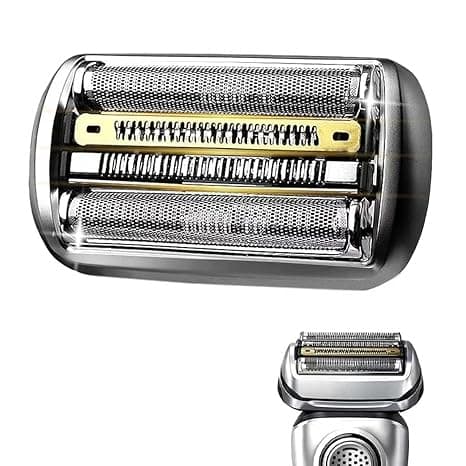
Where it's a touch behind OEM: the tight stuff. Under the nose, the corner where the jaw meets the neck, that awkward dip below the Adam's apple. The Braun cassette has slightly sharper foil geometry there and it'd clear those spots in one confident pass. This one wants a second pass, sometimes a third, in those exact spots. It gets there — it's not leaving me patchy — but it's not as effortless as the genuine head was when the genuine head was new. If you're someone who shaves in ninety seconds flat and never thinks about it, you'll notice you're spending an extra twenty seconds on the corners.
The real downside, said plainly
Two things, and I'm not going to soft-pedal them. First: longevity. The genuine Braun cassette is rated for roughly eighteen months and in my experience actually lasts close to that. This one I'm watching closely. I'm about four months in and the edge still feels good, but the steel doesn't feel like the same grade — it's a touch softer to the thumbnail — and my honest guess is I'll be swapping it again at the ten-to-twelve-month mark rather than eighteen. Here's the thing, though: even if it only lasts two-thirds as long, two of these is $48. Still under one genuine cassette. The cheaper-per-month math holds even with the shorter life.
Second, the small stuff. The packaging is flimsy — a thin blister card, no nice molded tray, and the cassette rattled a little in the box, which did nothing for my confidence before I opened it. And there was a faint plastic smell off the new head for the first couple of days, the kind that fades once it's been run and oiled a few times. Neither of these affects the shave. But if you're the type who likes a premium unboxing, this isn't it. You're paying $24, and the experience around the product reminds you of that even when the product itself doesn't.
Why a dead head is worth fixing now, not "later"
Look, the reason I waited so long is the reason most people wait: a worn head doesn't fail dramatically. It degrades. Every shave is a little worse than the last, so slowly you recalibrate to it and call it normal. But a dull cutter pulling hair instead of slicing it is what gives you razor burn, ingrowns, that raw stinging neck. It's not a cosmetic problem, it's a skin problem. The day I put a fresh head on — genuine or compatible, doesn't matter — the irritation stopped. That's worth $24 a lot more than it's worth limping along.
Who should buy OEM instead — and who I am
If you've got skin that flares at the slightest thing, or you genuinely shave in under two minutes and resent every extra second, buy the genuine Braun cassette. That sharper geometry in the tight spots and the longer rated life are real, and for sensitive skin the margin is worth the extra thirty-some dollars. No argument from me.
For everyone else — and I count myself in everyone else — the compatible head is the easy call. It killed the tug, it shaves clean on every surface that matters, the corners cost me a few extra seconds, and it did it for $24 against $55-plus. I've now run one for four months without regret, and when this one finally dulls I'll buy another one exactly like it. The genuine head is better. It is not twice-the-price better. And it is absolutely not buy-a-new-$250-shaver better.