Troubleshooting & Analysis
The shave that finally told me the head was done
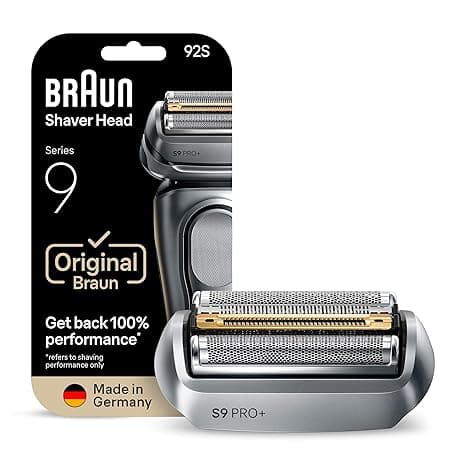
I knew something was wrong about three passes in. Same Braun Series 9 I've run every morning for two years, same 92S cassette I'd been nursing way past its prime — and instead of cutting, it was yanking. You know that feeling? Hair gets grabbed, half-pulled, then released. By the time I finished my neck there was a stinging patch under my jaw that turned into full razor burn by lunch. I'd been telling myself the head was "fine" for months. It wasn't fine. It had been quietly dying for a while and that morning it just gave up.
Here's the thing nobody tells you about the 92S: the foil and cutter don't fail dramatically. They dull slowly, so you adjust without noticing — pressing harder, going over the same spot four times, blaming your skin or the gel. I genuinely thought I'd developed sensitive skin. Nope. I'd just been dragging a worn-out cutter block across my face like sandpaper.
What Braun wants vs. what I actually paid
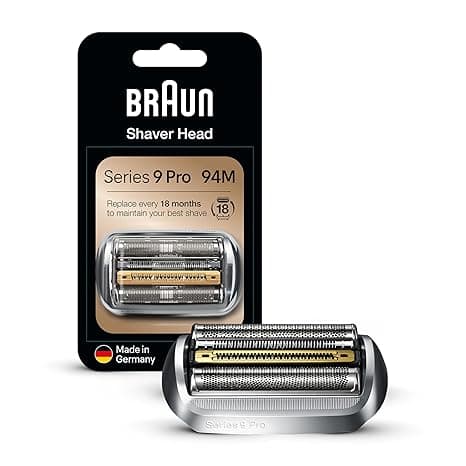
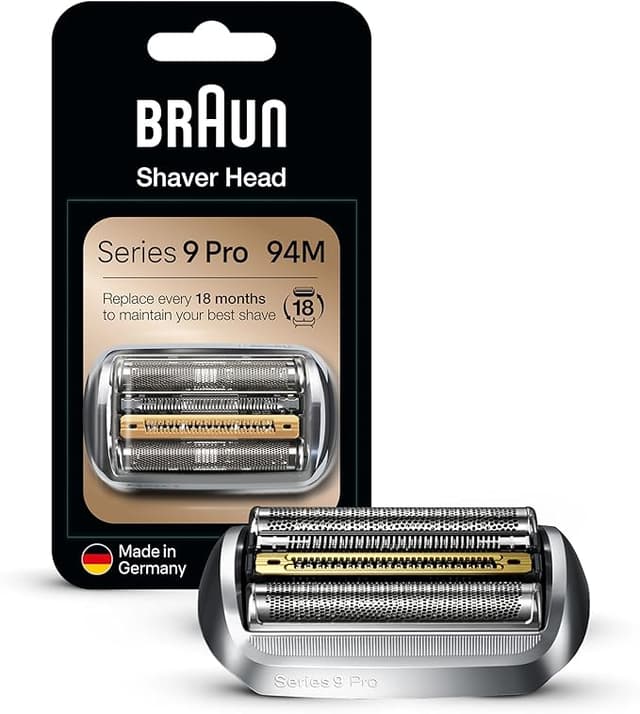
So I went looking for a replacement, and that's where the sticker shock hit. A genuine Braun-branded 92S head, depending on the day and the seller, runs me around $42. For a shaver I already own. To restore it to doing the one job it's supposed to do. Braun's whole pitch is basically "your shaver is fine, just feed it expensive cassettes forever" — and they're not wrong that replacing the head beats buying a whole new $250 shaver. But $42 every eighteen months started to feel like a subscription I didn't sign up for.
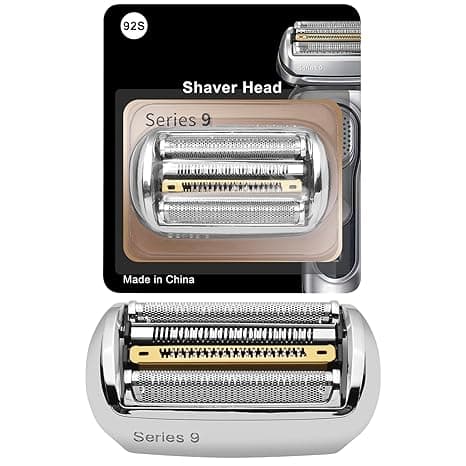
The compatible 92S cassette I ended up buying was $23. That's a $19 gap on a single head. Not life-changing money on its own, but I keep two of these going — one at home, one in the travel kit — so across a couple of replacement cycles it adds up to real cash. And the part that bugged me most: I couldn't find a single honest reason the OEM should cost nearly double for what is, mechanically, a foil and a cutter block in a plastic frame.
Does it actually snap in right?
This was my real worry. A shaving head isn't like a vacuum filter where "close enough" still works — if the cassette sits even slightly proud of the frame, you get gaps, missed hairs, and that horrible chatter against your skin. So I paid attention.
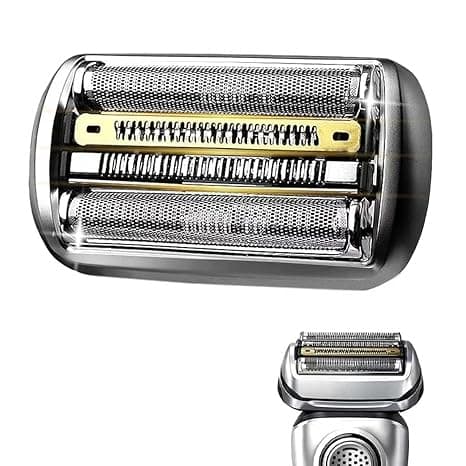
Removing the old one is two release buttons on the sides — press, and the worn cassette pops off. The compatible head snapped onto my Series 9 with a clean, definite click. Both latches engaged. I actually pulled on it afterward to make sure, the way you'd tug a climbing carabiner, and it held. Then I did the thing the instructions tell you to do and most people skip: one drop of shaver oil across the foil before the first run. Takes ten seconds and it genuinely matters — dry foils run hot and loud.
Now, honesty time on fit. The frame on the compatible cassette is a hair looser in the housing than the original Braun was. Not loose enough to rattle or affect the shave — but if you press the head sideways with your thumb, there's a tiny bit more give than the OEM had. After a few weeks I stopped noticing it entirely. First couple of days, though, it was the kind of thing my brain kept poking at.
The honest performance take
First shave with the new head, the difference versus my dying OEM cassette was night and day — but that's an unfair comparison, because I was comparing new against worn out. So I gave it a fair month before forming an opinion.
On the cheeks and neck, where the foil does most of the work, it's genuinely indistinguishable from a fresh Braun head. Close, clean, no pulling, no irritation. The middle trimmer — the pop-up bit for sideburns and the mustache edge — is where I'd say it's a touch behind. It cuts fine, but it doesn't feel quite as crisp on a thick three-day growth as I remember the OEM trimmer being brand new. If you're someone who lets it grow out and then does a precision edge, you might notice. For my daily-shave routine, it's a non-issue.
The downsides — the real ones
Let me actually sit on this part, because a head that's "perfect" would be a lie.
First: the packaging is cheap. The OEM comes in that snug molded clamshell; this one showed up in a thin blister pack that I had to fight with scissors, and one corner of the cassette frame had a faint mold seam you can feel with a fingernail. Cosmetic, doesn't touch the shave, but it tells you where they saved money.
Second, and more honest: I don't know how long it'll last. The OEM heads I'd buy gave me a solid eighteen months before they started dulling. This one's about four months into my bedroom-mirror rotation and still cutting clean, but I can't yet promise you it'll go the full distance an OEM does. It's possible the steel doesn't hold its edge quite as long. If it taps out at twelve months instead of eighteen, then per-month the math gets closer — though even then, at $23 a head, I'm still ahead of paying $42.
Third: that faint new-plastic smell the first two or three shaves. It's mild, it airs out, but it's there.
Why a dead head isn't just an annoyance
Worth saying plainly, because I learned it the hard way with that razor-burn morning: a dull 92S doesn't just shave worse, it actively wrecks your skin. Worn cutters pull hair instead of slicing it, and that tug-and-snap is what causes the burn, the ingrowns, the redness. People go buy fancy aftershave balm to fix a problem that's actually a $23 cassette. Running a dead head to "get your money's worth" is the false economy — you pay for it in your face.
Who should skip this — and what I do
If you're a precision-edge guy who lives and dies by that pop-up trimmer for sharp lines, or you simply won't tolerate any unknown on longevity, buy the genuine Braun head and don't think about it. That's a legitimate call.
But for me? A clean daily shave, no irritation, snaps in solid, does the actual job for nineteen bucks less — I bought a second one for the drawer before I'd even finished the first month. That's the most honest endorsement I've got: I voted with my own wallet, twice. Just remember the drop of oil, and don't run it into the ground like I ran the last one.