Troubleshooting & Analysis
The number that stopped me: a new Series 9 was $329. The blade head I actually needed? $24.
I almost bought a whole new shaver. That's the embarrassing part. My Braun Series 9 had gone from "glides" to "drags," and my first instinct — because Braun trains you to think this way — was that the machine was done. So I'm standing there with a $329 box of brand-new shaver in my cart, and some quieter voice goes: it's not the motor, dummy. It's the head.
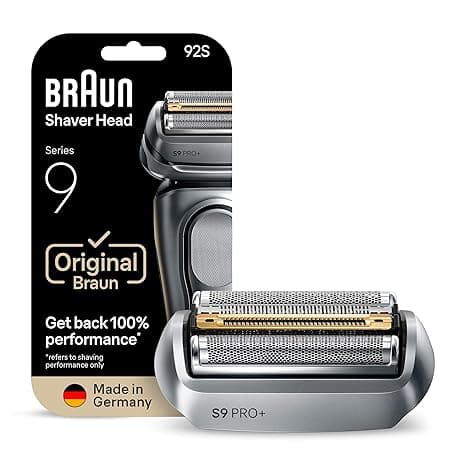
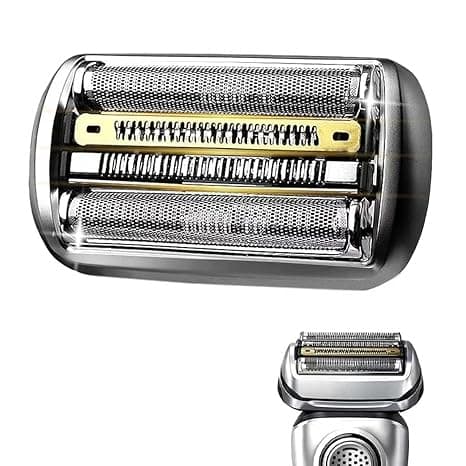
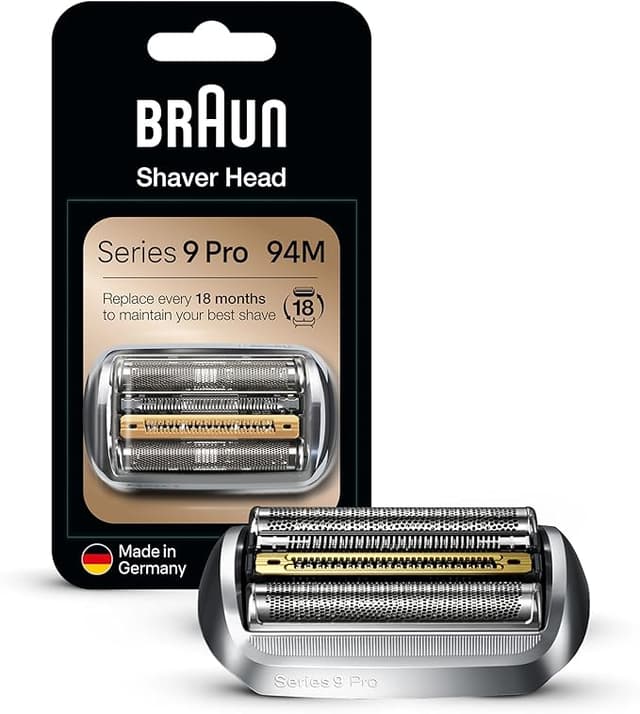
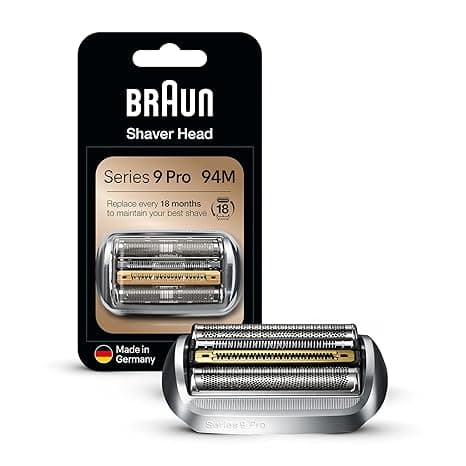
Because here's the thing nobody at the store tells you. The Series 9 body lasts for years. The part that wears out is the cutting cassette — the foil-and-cutter unit that sits on top. Braun's own replacement head (the 92-series cassette) runs about $48 to $55 depending on the week. And the compatible one I ended up buying? Twenty-four dollars. Same job. Same fit. I've now run it for a little over three months, so let me tell you exactly what that twenty-four bucks gets you, downsides and all.
Why a dead head feels like a dead shaver
If your Series 9 has started tugging — that little pinch where it grabs a hair and yanks instead of slicing it clean — that's not your skin getting more sensitive. The foil has micro-worn and the cutters underneath have dulled. A dull head doesn't just shave worse, it shaves meaner. Mine was leaving me with that hot, blotchy razor-burn feeling along the jaw, the kind that shows up an hour later. I'd been blaming my technique. It was the head. Swapped it, and the burn was gone the next morning. That's the whole reason this part exists.
The fit — does the cheap one actually click on?
This was my real worry. A shaver head sits over precision foils; if a knockoff is even slightly off, you feel it instantly. So I went in skeptical.
The swap itself is genuinely a ten-second job, and it's the same on the compatible unit as the OEM. You press the two release buttons on the sides, the old cassette pops straight off — mine came off with a satisfying little snap — and the new one drops into the same rails and clicks home. There's a distinct, firm click when it seats. I'll be honest: I pressed mine on, then pulled it lightly to make sure it wasn't going to rattle loose, because I didn't trust a $24 part to hold. It held. Three months of daily use, dry and wet, and it has never popped or wobbled mid-shave.
One thing the OEM does slightly better: the frame tolerance. The Braun cassette snaps on with zero play. The compatible one I bought has a hair — and I mean a hair — more give in the frame before it locks. You can wiggle it maybe a half-millimeter before it clicks. Once it's seated, you feel nothing during the shave. But if you're the kind of person who notices that the off-brand thing is a touch looser in the hand, you'll notice. It bugged me for the first two days and then I completely forgot about it.
How it actually shaves
Close. That's the short version. On the neck and cheeks it's indistinguishable from a fresh OEM head to me — clean, fast, no tugging. The foils flex over the jawline the way you want.
Where it's a touch behind: that very last 5% of closeness right under the nose and on the grain of the chin. With a brand-new genuine Braun cassette, I could go fully against the grain there and get glass-smooth in one pass. With the compatible head, that same spot takes a second pass to get all the way down. It's not that it can't — it's that it asks for one more stroke. For a $24-versus-$50 part, I'll take the extra three seconds. Most mornings I don't even bother going that close anyway.
I run a drop of the little Braun oil on the foils once a week, same as you should with any head, and that's kept it smooth. Don't skip the oil. A dry, un-oiled cutter wears fast and gets loud — that's true of the OEM too, but a budget head punishes neglect quicker.
The real downsides — because there are some
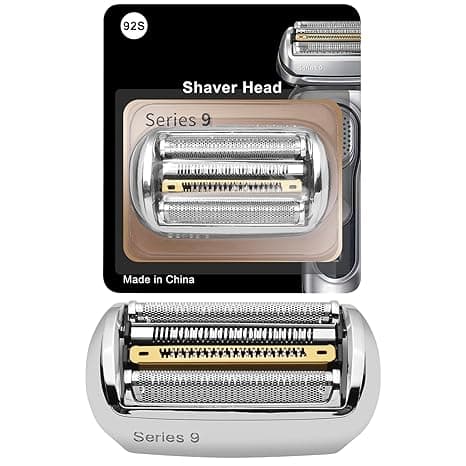
First: the packaging is cheap. The OEM cassette comes in that satisfying Braun box with the molded tray. Mine showed up in a thin plastic blister and a printed card. Cosmetic, doesn't affect the shave, but it does make you second-guess for a second whether you bought the real thing. You didn't — it's a compatible part, and it's supposed to feel a little less premium in the hand before you mount it.
Second, and this is the honest one: longevity. Braun rates a genuine head for roughly 18 months of replacement-cycle life. I won't pretend I've run this compatible one that long — I'm three-plus months in. But the foil feels a touch thinner than OEM when you look at it under light, and my gut says it'll want replacing sooner, maybe closer to 12 months than 18. Here's the math that makes me not care: even if it lasts only two-thirds as long, two compatible heads at $24 each is $48 — basically one OEM head. You break even on lifespan and you're still not out a penny. And realistically, you keep a fresh edge more often, which is the whole point.
Third, minor: there was a faint plastic-and-oil smell the first couple of shaves. Gone by day three. Nothing in the shave itself, just the new-part smell off the frame.
So who should skip it?
If you compete in the last 5% — if a single under-the-nose pass to absolute baby-smooth is non-negotiable for you, every single day — buy the genuine Braun cassette and pay the $50. You'll get marginally closer and a longer rated life, and you'll feel good about it.
For everyone else? Look, I was one button-press away from spending $329 on a whole new shaver because I thought mine had died. It hadn't. A $24 head brought it back to a clean, no-tug, no-burn shave that I genuinely can't tell apart from OEM on 95% of my face. I've already ordered a second one to keep in the drawer. That's the most honest endorsement I've got — I spent my own money on it twice.