Troubleshooting & Analysis
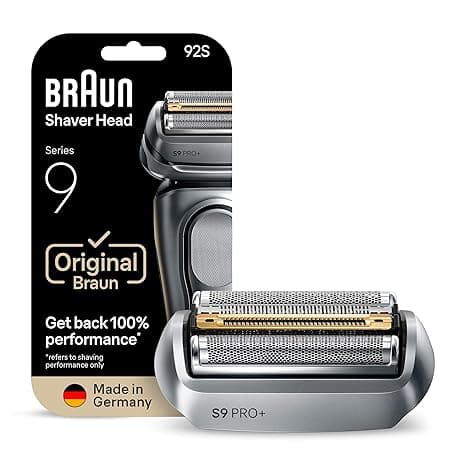
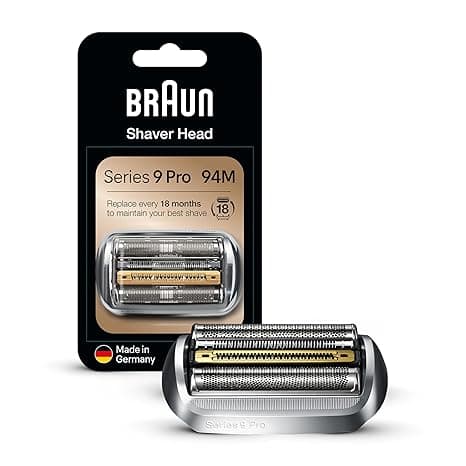
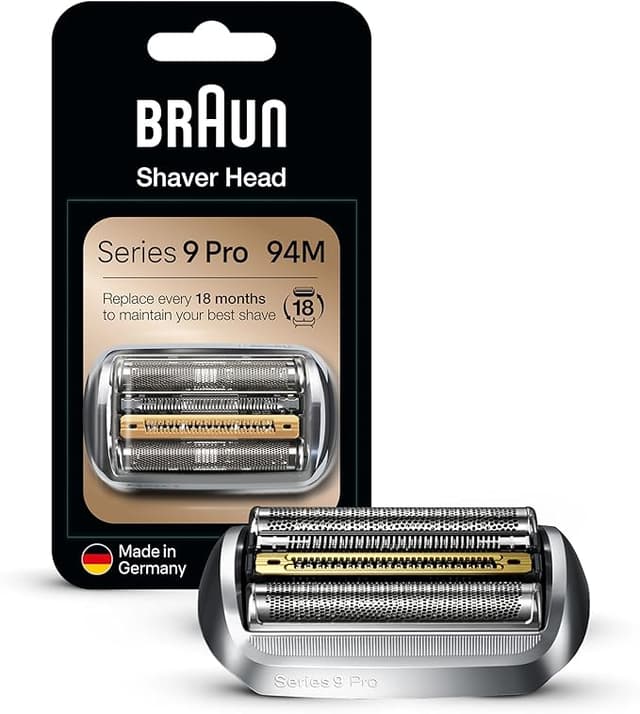
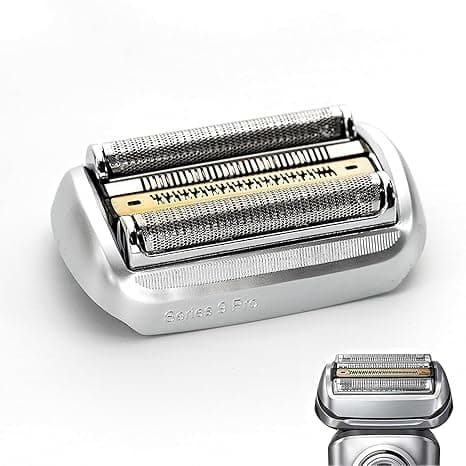
I stood in the bathroom with two little boxes on the counter and a shaver that had started to feel like it was plucking instead of cutting. One box was the genuine Braun head — call it the 92M cassette — at $46. The other was a compatible cassette that did, as far as I could tell, the exact same thing, for $21. My old head was four-plus years deep and visibly chewed up. So the real question wasn't OEM versus compatible. It was: do I trust the $21 part with the machine I already paid a couple hundred bucks for?
I'd been putting it off, honestly. A bad shave every morning is its own slow torture, and I kept telling myself the blades were "fine." They were not fine. A Series 9 that's pulling hair instead of slicing it isn't a comfort problem, it's a skin problem — that's where the razor burn and the little red patches under the jaw come from. So I bought both. The genuine one to keep myself honest, the compatible one to actually test. Here's what four months of mornings taught me.
The money, laid out plainly
The whole reason this comparison exists is the price gap, so let's not be coy about it. Genuine Braun Series 9 cassettes hover around $40 to $50 depending on the exact model and where you buy. The compatible head I used was $21. That's not a rounding-error difference — that's more than half off.
And here's the part people forget: this isn't a one-time decision. Braun says to swap the head roughly every 18 months if you shave daily. So over the life of the shaver you buy these things again and again. On the genuine track you're looking at about $46 every year and a half. On the compatible track, $21. Run that out over six or seven years and the OEM premium quietly adds up to the price of a whole second shaver. The temptation, when the math looks like that, is to assume the cheap one must be cutting corners somewhere. Sometimes it is. So I went looking for where.
Does it actually fit?
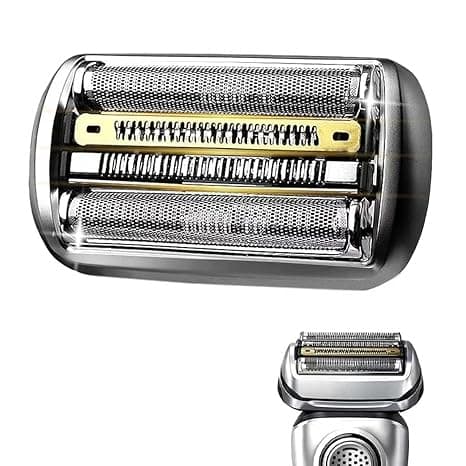
This was my first worry and it turned out to be the least interesting one. The install is a non-event. You press the two release buttons on the sides, the old head pops off, and the new cassette snaps into the same rails. There's a click when it seats — a real, positive click, the same one the genuine head makes. I add a single drop of clipper oil across the foils afterward, same as I always have, and run it dry for a few seconds to spread it. Thirty seconds, start to finish.
Fit-wise, one honest note: the frame on the compatible cassette sat a hair looser in the housing than the genuine Braun. Not loose enough to rattle or wobble during a shave — it locked in and stayed put — but if you wiggle it with the power off you can feel a touch more play than the OEM part has. After a week I stopped noticing. It never once popped off mid-shave or felt unsafe. But I told you I'd flag the real stuff, and that's a real, if small, thing.
How it actually shaves
Day one, it was like getting my shaver back from the dead. The pull was gone. Close, quiet, fast — the three passes I used to need dropped to two. For the bulk of my face, the flat planes of the cheeks and the neck, I could not tell you in a blind test whether I was running the $21 head or the $46 one. That's the headline, and it's the part that matters most: on ordinary stubble, doing the ordinary job, it performed like the genuine part.
Where it's a touch behind: the trickiest spots. Right under my nose and along the jawline, where the hair grows every direction at once, the genuine Braun cassette grabs a fraction more in a single pass. With the compatible head I'd occasionally go back over that one patch a second time. We're talking a few extra seconds, not a missed-half-your-face situation. But over four months I noticed it consistently enough that I won't pretend it isn't there.
The downsides, for real
Let me give you more than one, because a head replacement with zero complaints would be a lie.
- The plastic smell. Out of the package, the first two or three days, there's a faint chemical-plastic odor when the head warms against your skin. It's mild and it fully went away by about day four, but it's noticeable that first morning — the kind of thing that makes you second-guess a cheap part. It's cosmetic. It doesn't touch the shave. But it's there.
- The packaging is cheap. The genuine Braun box is a proper retail thing with a foil seal. The compatible one showed up in a thin blister card I half-mangled getting open. Doesn't change what's inside, but it doesn't inspire much confidence on arrival either.
- Foil longevity is the open question. Four months in, mine still shaves great — no thinning, no torn foil, no sudden drop-off. But I can't honestly tell you whether it'll go the full 18 months the genuine cassette is rated for, because I haven't lived it yet. My gut, based on how it's holding up, says it'll get close. If it taps out at, say, 14 months instead of 18, you're still way ahead on cost. I'll come back and update this if mine dies early.
Why a tired head is worth fixing at all
It's easy to limp along on a dull cassette for months, because the failure is gradual — you don't notice it getting worse, you just slowly accept a worse shave. But a worn foil is what causes the tug, and the tug is what drags across your skin and leaves it raw. The foils are also the only thing between the cutting blades and your face; once they're thinned out and nicked, you're closer to an actual cut than you think. Swapping the head isn't vanity maintenance. It's the difference between the shaver doing its job and the shaver fighting you every morning. And you don't need to buy a new $250 machine to fix it. You need the $21 part.
So which one do I tell people to buy?
If you've got a heavy, coarse, every-which-way beard and you want the absolute most off in a single pass with zero touch-ups — buy the genuine Braun cassette. That last fraction of grab in the awkward spots is real, and if it bugs you, the gap is worth paying to make it go away. No shame in that.
But for most people, with most beards? I grab the compatible head, and I've bought it more than once now. It snaps in with the same click, it killed the pull that sent me shopping in the first place, and it does the everyday job so close to the genuine part that the difference lives in the margins. For a little more than half the price, on something I have to replace for the rest of the shaver's life, that's an easy call. The plastic smell fades, the packaging goes in the trash either way, and what's left is a Series 9 that shaves like a Series 9 again — for $21.