Troubleshooting & Analysis
The first thing I noticed was the click
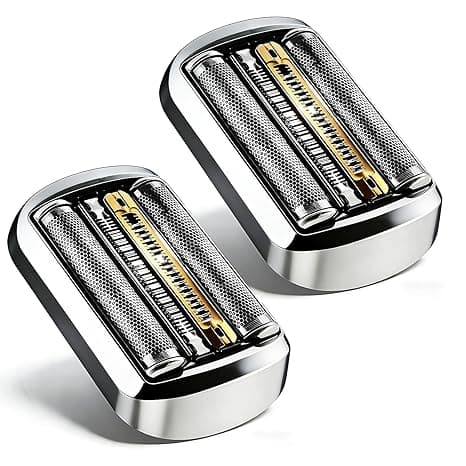
Not the shave. The click. That little plastic snap when the new cassette seats onto my Series 9 — I'd been so used to the worn-out wobble of the old head that I'd forgotten what a fresh one is supposed to feel like. It locks. There's a faint give and then a solid tk, and the head sits flush instead of rocking a millimeter when you press it to your jaw. That sound told me more in one second than any product listing could.
I'll back up. My Series 9 is maybe four years old now, and somewhere around year three the shaves went bad. Not "needs cleaning" bad — I clean it. Bad like it was plucking. You run it down your neck and instead of that quiet shearing sound you get this tug, a hair getting yanked instead of cut, and then a red dot the next morning. Razor burn on a $300 shaver. I was honestly ready to throw the whole thing out and buy a new one.
Then I did the math, and the math is the whole reason I'm writing this.
A new shaver is the dumb move
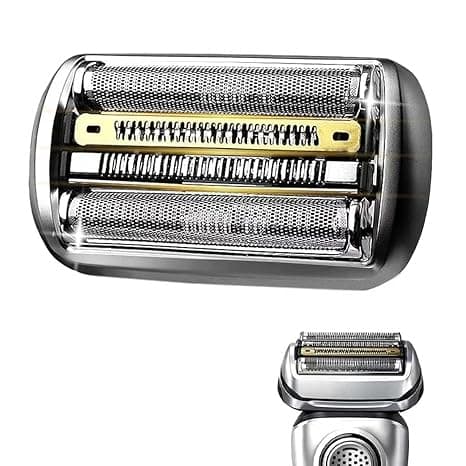
A brand-new Series 9 is north of $250, sometimes pushing $300 when it's not on sale. The problem with my shaver was never the motor or the battery — both were fine. It was the head. The foils were stretched and the cutter block had gone dull. That's a wear part. Replacing the entire machine to fix a wear part is like buying a new car because the tires are bald.
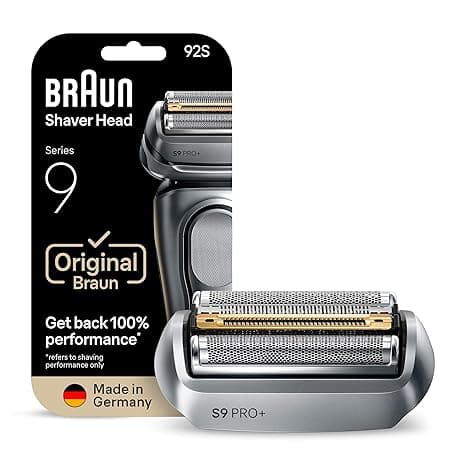
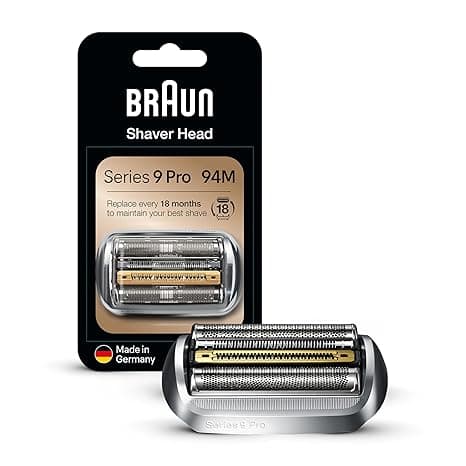
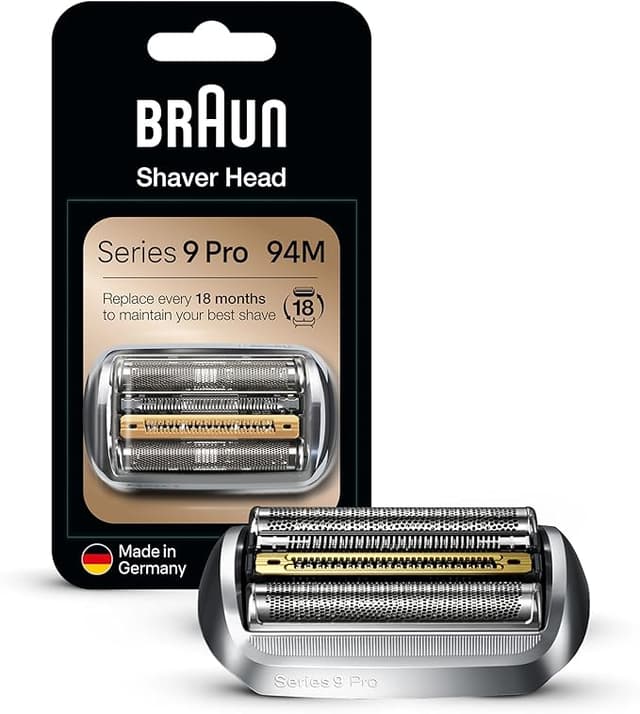
Braun's own genuine replacement cassette — the 92-series head — runs roughly $45 to $65 depending on where you buy and which exact model you've got. Steep for what's essentially two foils and a cutter. The compatible cassette I bought was about $22. So we're talking a $30-plus gap on a single part, and if you replace your head every 18 months like you're supposed to, that gap compounds fast over the life of the shaver.
$22 to make a four-year-old shaver cut like it's new again, versus $260 for a new one. That wasn't a hard call. It was barely a call at all.
Putting it on — and the part nobody warns you about
The swap itself is genuinely easy. You press the two release buttons on the sides, the old head pops off, and the new cassette snaps right into place. Drop of the little oil they include — or any light machine oil — across the foils for smoothness, and you're done. Ninety seconds, no tools.
Here's what I'll be straight about: the fit is good, but it's not identical. The OEM head has this almost over-engineered tightness where it feels machined to the micron. The compatible one seats correctly and holds firmly — I've been running it for months and it has never popped loose or rattled — but if you wiggle it hard with your fingers there's a hair more play than the genuine part. In actual use, shaving, you'd never notice. Sitting there poking at it on the counter, you might. I'm telling you because I'm the kind of person who pokes at it on the counter.
How it actually shaves
This is the part that matters and the part I was most nervous about. The first shave was a relief. That plucking, tugging feeling was just gone. Clean passes, that quiet shearing sound back, no red dots the next morning. On the flat planes — cheeks, the sides — it's honestly indistinguishable from a genuine head to me. Close, comfortable, fast.
Where it's a touch behind OEM: the tricky spots. Under the jaw, around the Adam's apple, that awkward bit under the nose. The genuine Braun foils have a slightly more aggressive grab in those high-curvature areas, and with the compatible cassette I sometimes do one extra pass there to get it baby-smooth. One extra pass. That's the entire gap in performance, and for thirty-plus dollars I'll take the extra two seconds.
The real downsides, not the fake-balance kind
Let me actually sit on the negatives, because a review that's all sunshine is a review that's lying to you.
- The break-in is real. For the first three or four days there was a faint plastic-and-oil smell when I first switched it on each morning. Not strong, not lingering on my skin — just that fresh-component smell off the new foils. By the end of the first week it was gone completely. But it's there at the start and I'd rather you expect it than be surprised.
- The foils feel a hair thinner. Hold the genuine cassette and the compatible one side by side and the OEM metal feels marginally more substantial. Whether that means it wears out a few months sooner, I can't fully prove yet — mine's still going strong — but I'd bet the genuine head has a slightly longer service life. At a third of the price, I'm fine replacing the compatible one a touch more often and still coming out way ahead.
- The packaging is cheap. Thin cardboard, a plastic clamshell, none of Braun's glossy presentation. Doesn't affect the shave one bit, but if you're someone who reads packaging as a quality signal, brace yourself. It looks like what it is — a budget part that happens to work.
Why a dead head is worth taking seriously
It's not just comfort. A dull, stretched foil is what causes the tugging, and tugging is what causes ingrown hairs and that low-grade razor burn that never quite heals on your neck. Pushing a worn head harder into your skin to compensate makes it worse — more pressure, more irritation. Swapping in a fresh cassette isn't a luxury upgrade, it's the thing that stops your daily shave from quietly wrecking the skin on your neck. I noticed my neck calming down within a week.
So who should buy what
If you shave a heavy, coarse beard daily and you're chasing a flawless single-pass result with zero compromise, buy the genuine Braun head. That last few percent of edge-grab on curves is real, and if it matters to you it's worth the extra money. No shame in it.
But for most of us — normal beards, daily or every-other-day, who just want our Series 9 to stop pulling and start cutting again — the compatible cassette does the job for about a third of the price. I've put months on mine, through morning rushes and one extra pass under the jaw, and it shaves clean, seats solid, and saved me from throwing out a perfectly good $260 machine over a $22 part. I'd buy it again. Honestly, I already have — I keep a spare in the drawer.