Troubleshooting & Analysis
I didn't believe a $25 replacement head would shave the same. I was wrong.
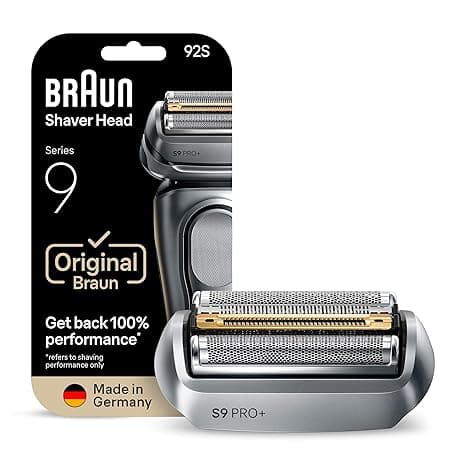
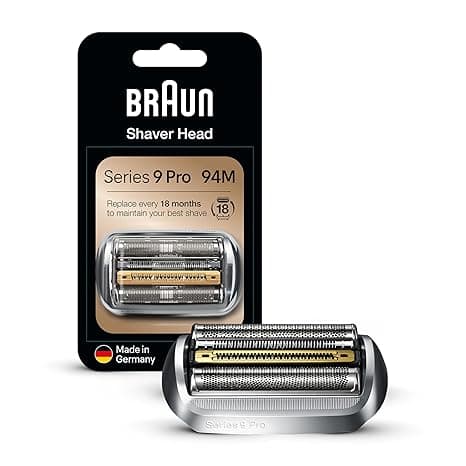
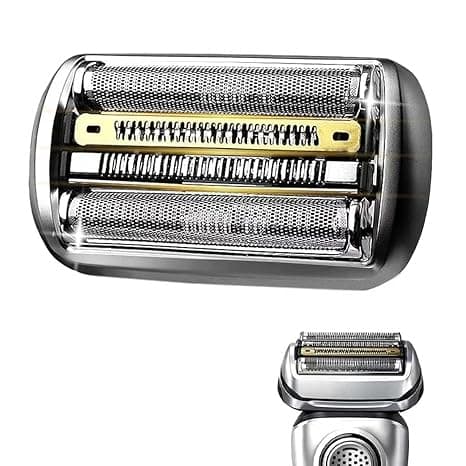
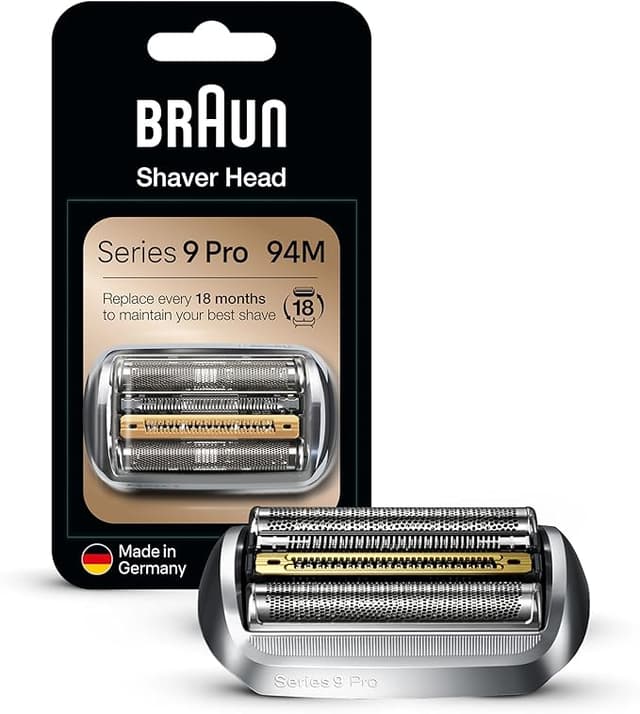
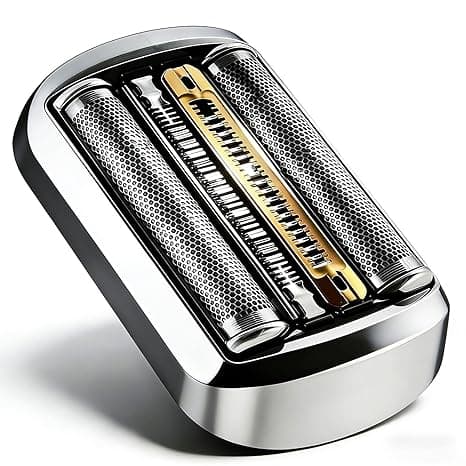
Here's where my head was at. My Braun Series 9 had started tugging — not cutting, tugging — and a quick search told me the genuine Braun cassette (that's the foil-and-cutter head unit, part of the 92-series family) was going to run me somewhere around $55. For a shaver I already owned. I sat there doing the math and feeling vaguely robbed, the way you do when a printer wants $70 for ink.
Then the compatible one showed up in the results at about $25. Less than half. And my first thought was the same one you're probably having: a head that costs a third of OEM is going to either not fit, scratch my face, or fall apart in a month. I genuinely didn't trust it. I bought it anyway, mostly out of spite toward the $55 price tag, fully expecting to write a "don't bother" review.
I've now run it for a little over three months. So let me tell you what actually happened, downsides first, because that's the part the marketing pages skip.
The price gap is real, and it's not small
OEM Braun cassette: roughly $50–$55 depending on where and when. The compatible cassette I bought: about $25. That's a $30 swing on a part you replace roughly every 18 months if you shave most days. Braun's own guidance is to swap the head around that 18-month mark because the foil thins and the cutter dulls — so over the life of one shaver you're looking at this purchase three or four times. Multiply that $30 out and you've basically saved the cost of a decent dinner, or honestly the cost of a new mid-range shaver, just by not defaulting to OEM every time.
And to be clear about the bigger picture the box wants you to ignore: you do not need a new shaver. The motor in a Series 9 is fine for years. What goes is the head. Replacing a $25 cassette instead of buying a $250 razor is the whole game here.
Fit and install — the part I was sure would go wrong
This is where I expected the cheap one to expose itself. It didn't, mostly. You press the two release buttons on the sides, the old head pops off, and the new cassette snaps into place. On the genuine Braun head that snap is crisp — a confident click, no question it's seated. On the compatible one the click was there, but slightly softer, and I pressed it a second time just to be sure both latches caught. They had.
Here's my one honest fit complaint: the frame tolerance is a hair looser than OEM. When the head is locked in, there's the faintest bit more play if you wiggle it — we're talking a fraction of a millimeter, the kind of thing you'd only notice if you'd held the genuine part five minutes earlier, which I had. During an actual shave? I never felt it move, never felt it rattle. But I'm not going to pretend the build is identical, because it isn't.
One thing the instructions get right and people skip: put a single drop of light oil on the foil after you snap the new head on, then run it dry for a few seconds. New cutters always run a touch stiff out of the package, and that one drop is the difference between a smooth first shave and a slightly grabby one.
How it actually shaves
Close. Genuinely close. The first morning I did the full face slow, expecting to feel scraping or missed patches. Neck, jaw, the awkward bit under the nose — it cleared all of it in about the same number of passes I'd give a fresh OEM head. Against the grain on my neck, which is where a dull or cheap foil usually announces itself with razor burn, it stayed comfortable.
Where's it a touch behind? Two places, both small. First, on a three-day growth — a real test, not just overnight stubble — the compatible foil needs maybe one extra pass to get fully smooth. The OEM head bites a little more aggressively on long hair. If you shave daily this is a non-issue; if you skip days regularly, you'll notice it. Second, it runs very slightly louder. Not dramatically. Just a marginally rougher hum that I'd guess comes from the cutter block tolerances. After a week I stopped noticing.
The downsides, said plainly
The packaging is cheap — a thin blister pack, no nice molded case, and the printing on mine was a little crooked. Cosmetic, but it does nothing to reassure you when you're already nervous about quality. Look, it doesn't affect the shave, but it's the kind of thing that makes you double-check you didn't buy a counterfeit.
There was also a faint plastic-and-oil smell the first two or three shaves — that new-component smell. It faded completely by the end of the first week and never transferred to my skin. Worth a heads up so you don't think something's wrong.
And the honest durability caveat: three months isn't 18 months. I can tell you it hasn't degraded noticeably yet — still cutting clean, foil intact, no torn mesh — but I can't promise it matches OEM longevity to the day. My gut, based on how it's holding up so far, is that it'll get close. If it dies at 14 months instead of 18, you're still well ahead on the math at $25.
Why a dull head isn't just annoying
The reason I replaced mine in the first place matters here. A worn foil and cutter stop slicing and start pulling hair before it cuts — that's the tugging sensation, and it's exactly what causes razor burn, ingrown hairs, and that blotchy irritated neck. Running a Series 9 on a dead head isn't just a worse shave, it's actively rougher on your skin. So whatever you put in there, fresh beats worn. A $25 fresh cassette beats a tired OEM one every single morning.
Who should buy OEM instead — and who shouldn't
If you've got sensitive skin that reacts to the smallest change, or you shave heavy multi-day growth and want maximum bite on the first pass, or you simply want the documented full lifespan with zero question marks — buy the genuine Braun cassette and don't think twice. That $55 buys certainty, and for some people certainty on their face is worth it.
But for me? A daily shaver with a normal face who got tired of paying OEM tax on a part that does the same job — I'd grab the $25 compatible head again. In fact I already ordered a second one to have on the shelf. It seats, it shaves close, it didn't wreck my skin or my machine, and it left thirty bucks in my pocket. I didn't believe that when I started. I believe it now.