Troubleshooting & Analysis
I didn't believe a $20 head could be fine either
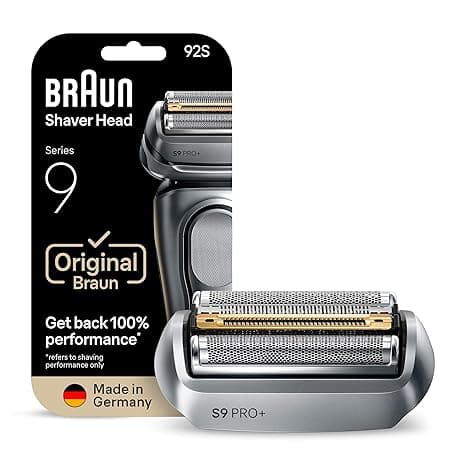
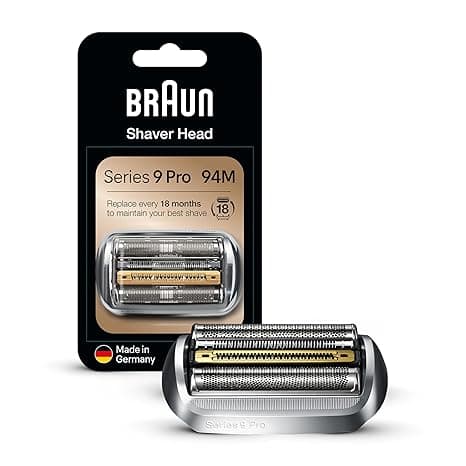
Let me be straight with you about where I started. My Braun Series 9 was pulling. Not cutting — pulling. That little flick of pain on the jawline where it grabs a hair and yanks before it slices. I'd had the shaver maybe two and a half years, and the head was just done. So I went to buy the genuine Braun cassette and nearly put the phone down. The OEM replacement head runs north of $40, sometimes pushing $50 depending on the week. For a foil-and-cutter block. On a shaver I already paid a small fortune for.
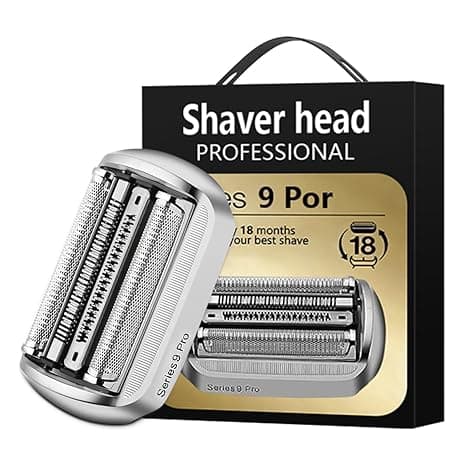
And right next to it, the compatible one. Around $20. Half the money. My gut said: no chance. A twenty-dollar head is going to be stamped soft, the foil's going to tear in a month, and I'll be back here anyway having wasted the cash. I genuinely thought it was a trap. I bought it mostly to prove myself right and write it off.
The math that pushed me to gamble
Here's the thing that nagged at me while I hesitated. A shaver head isn't a once-a-decade purchase. Braun themselves say swap it roughly every 18 months if you want a clean shave. So this isn't one $45 hit — it's $45 every year and a half, basically forever, for as long as you own the machine. The compatible at $20 turns that into a much easier number to swallow. Over six or seven years of owning a Series 9, that gap adds up to real money — easily a hundred bucks plus. Enough that "is the cheap one actually fine" stopped being a shrug and became a question worth answering honestly.
And the alternative people keep floating — just buy a whole new shaver — is the worst deal of all. You don't need a new motor, a new battery, a new dock. You need the part that touches your face. Replacing the head restores the thing to basically full cutting performance for a fraction of what a new Series 9 costs. Buying a new shaver because the foil wore out is like buying a new car because the tires went bald.
Fit and install — where I expected it to fall apart
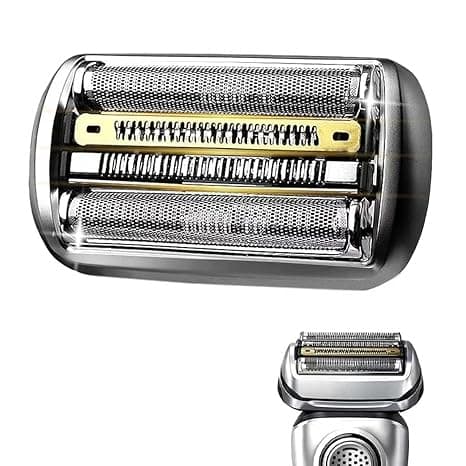
This was where I figured the cheap one would betray itself. It didn't. You press the two release buttons on the sides, the old head pops off, and you snap the new cassette down until it clicks. The compatible head seated with a proper click — that solid little seat you feel more than hear. No wiggle once it was on. I put a single drop of light oil on the foil afterward, which Braun tells you to do with the real one too, ran it dry for ten seconds, and it was ready.
Now — full honesty — the frame is a hair looser in the hand before it's clicked in. When you're lining it up, it feels a touch less precise than the OEM block, which mates with this confident, machined snugness. For about two seconds during install I thought "yeah, here's the catch." But seated, locked, shaving? You cannot feel a difference. The foil sits flush against the cutters the way it's supposed to.
The honest performance take
First shave, the pulling was gone. Completely. That was the whole reason I was here and it just... fixed it. Hair got cut instead of tugged, the razor burn along my neck that I'd blamed on technique turned out to be a dull foil all along. On the flat of the cheek it's every bit as close as the genuine head was when it was new.
Where it's a touch behind: the really awkward spots. Right under the nose, the corner of the jaw where the skin folds — the OEM head, fresh, glides through those in one pass with a slightly smoother feel. The compatible one wanted a second pass there a little more often in the first week. The cut was just as clean; it was the glide, the way it skated, that was a notch less buttery. After break-in it closed most of that gap, but I'm not going to pretend it vanished entirely.
The real downsides — and there are a couple
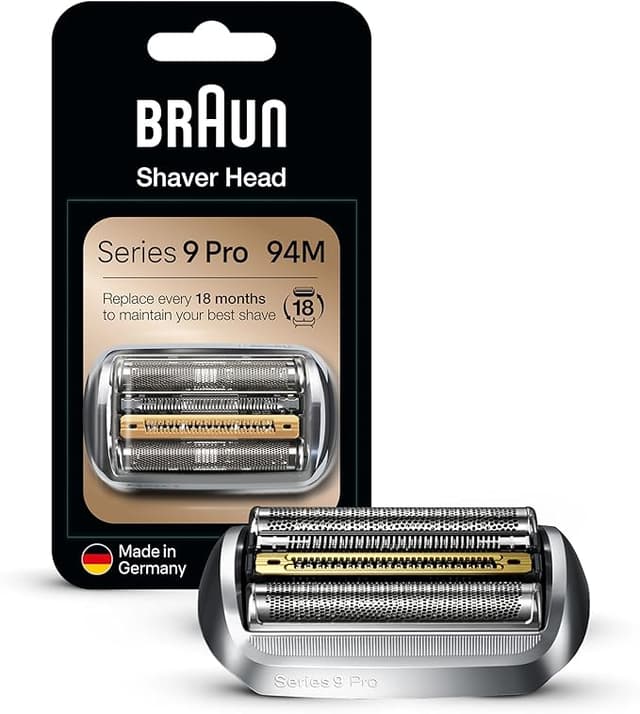
The packaging is cheap. The genuine Braun head comes in that crisp printed box with the plastic tray; this showed up in a thin blister pack that felt like a dollar-store toy. Doesn't affect the shave at all, but if you're nervous about authenticity it does nothing to calm you down. It looks exactly as budget as it is.
Second, the first two or three days there was a faint plastic-and-oil smell when the head warmed up against my skin. Not strong, not chemical-scary, just — new. It's the fresh foil and the manufacturing oil cooking off. By day four I stopped noticing it entirely, and I've never smelled it since. But it's there at the start and I'd rather you expect it than be surprised.
Third, and this is the honest long-term caveat: I trust the genuine foil to hold its edge for the full stated interval. The compatible one I've run for several months now and it's holding strong — but I'll be watching it closer toward the end of its life than I would the OEM. Time will tell if it goes the full distance. So far, no complaints.
Why a worn head is more than an annoyance
It's easy to live with a dull shaver because the decline is so gradual. But a pulling foil isn't just uncomfortable — it's what tears up your skin. Those nicks, the burn, the ingrown hairs along the neck: a lot of that is a tired cutter dragging hair instead of severing it cleanly. Letting a dead head limp along isn't saving money, it's trading your face for it. Whatever you put in there, fresh and sharp beats worn and cheap.
So who should buy what
If you're the type who will lie awake over whether a part is "genuine," or you shave a heavy, coarse beard daily and want the absolute smoothest glide through every tricky contour with zero compromise — buy the OEM. Pay the $45. You'll get a slightly more polished feel and total peace of — well, you'll just feel certain about it.
But for me? The compatible head killed the pulling, seated with a real click, shaves my cheeks as close as new, and cost me twenty bucks instead of forty-five. The downsides are a cheap blister pack, a two-day break-in smell, and a longevity question I'm still watching. None of that touched the actual shave. I went in trying to prove the cheap one was junk, and it called my bluff. I'd buy it again — and when this one finally wears out, I will.