Troubleshooting & Analysis
I didn't believe a $20 head could shave like the $50 one either
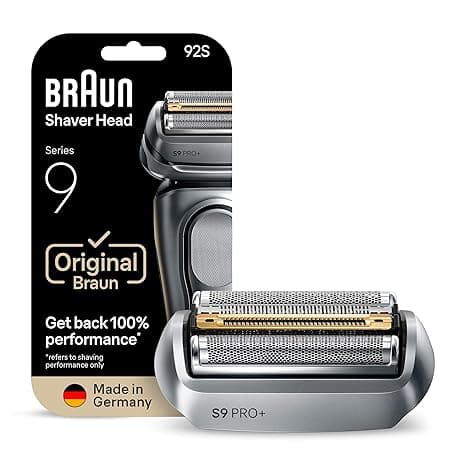
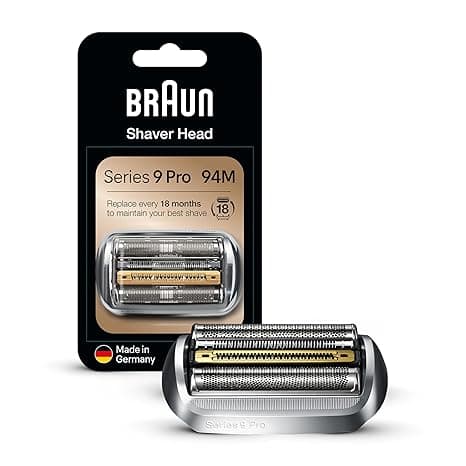
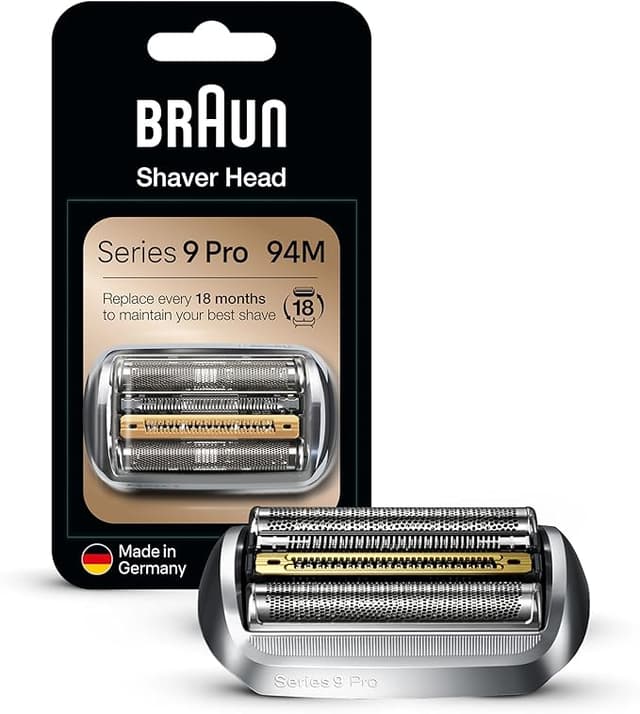
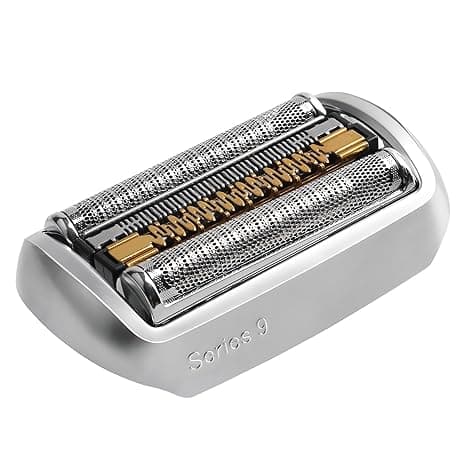
Look, I've been burned by cheap replacement parts before. So when my Braun Series 9 started pulling instead of cutting — that little tug at the jawline that turns into a red welt by lunch — my first instinct was to just buy the genuine Braun cassette. Around fifty bucks for a head and foil. That's nearly the price of a whole new mid-tier shaver, which is its own kind of insult. Then I saw the compatible replacement head sitting there for about $22 and I rolled my eyes. No way. A twenty-dollar head for a shaver that cost me close to three hundred? That's how you wreck a good machine.
I bought it anyway, mostly to prove myself right. I've now run it for four months. I was wrong, and I'm going to tell you exactly where and why — including the parts that genuinely annoyed me.
The math that made me hold my nose and click "buy"
Here's the thing nobody tells you about the Series 9: the shaver itself can last the better part of a decade, but Braun wants you to swap the head and foil cassette roughly every 18 months. At OEM prices that's somewhere near $50 a pop. Over the life of the shaver you'll spend more on replacement heads than you did on the razor. The compatible cassette I bought ran me around $22 — so a $28 gap, every cycle. Do that three or four times across the shaver's life and you're talking real money, a hundred-plus dollars, for a part that does one job: hold sharp blades against a thin foil.
That framing is what got me. I wasn't choosing between cheap and good. I was choosing between paying the Braun tax twice over or spending twenty-two dollars to find out if the off-brand actually performs.
Does it actually seat right? Mostly yes — with one fiddle
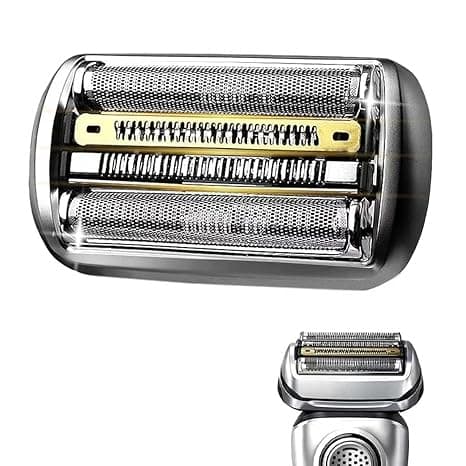
Install is genuinely simple and the compatible head respects the same mechanism. You press the two release buttons on the sides, the old head pops off, and the new cassette snaps down until you hear the click. That click matters — it's how you know the foil frame is sitting flush and won't rattle.
And here's my first honest gripe. On the genuine Braun head, that snap is crisp and confident. On the compatible one, the frame was a hair looser the first time I seated it. It took me two tries — pop it off, line it up more deliberately, press straight down rather than at an angle — before I got the solid click. Once it's in, it's in; it hasn't loosened or popped during a shave in four months. But that first install made my stomach drop for about thirty seconds. If you slap it on carelessly and feel a little wobble, don't panic and don't assume it's defective. Re-seat it square. It locks.
One thing the instructions get right and you should not skip: put a single drop of shaver oil on the foil after you install it. The compatible foils, in my experience, run a touch drier out of the package than Braun's, and that one drop is the difference between a smooth first pass and a scratchy one.
The shave itself, honestly
Day one, the cut was already night-and-day better than the dull head I'd been suffering through. No more pulling, no more going over the same patch on my neck four times. The blades are sharp. That's the whole point of replacing the head, and on that count it delivered immediately.
Where is it a touch behind OEM? Closeness on the very last pass. With a fresh genuine Braun cassette I can get that baby-smooth, nothing-left finish in one sweep. With the compatible head I sometimes do a second pass under the jaw to get there. We're talking a small difference — maybe five percent — but if you're someone who needs a flawless shave for camera or a clean dress-uniform look every single morning, you'll notice it. For my normal workday face, I genuinely cannot tell once I'm out the door.
The real downsides — because there are some
First, the smell. For the first two or three days there was a faint plastic odor off the new frame, the kind of fresh-molded smell you get from anything cheap. It's gone now and it never touched my skin or the shave, but it's there at the start and it's a little off-putting when you're already nervous about the part.
Second, the packaging is flimsy — a thin blister card, no satisfying box, none of the reassurance Braun builds into their presentation. It feels twenty dollars cheap because it is. That's cosmetic, but when you're talking yourself into trusting a part that touches your face, cheap packaging doesn't help the nerves.
Third, and this is the one to actually weigh: longevity is the open question. Four months in, mine is holding its edge fine. But I can't yet swear it'll last the full 18 months a genuine cassette claims. My honest bet is it runs a bit shorter — and even if it lasts only a year, at $22 versus $50 you're still ahead. I'll update if it dulls early.
Why a dead head isn't just an annoyance
Worth saying plainly: a worn-out shaving head isn't a comfort issue, it's a skin issue. Dull blades stop cutting and start yanking each hair before it severs. That's the razor burn, the ingrowns, the irritation that makes you think you have sensitive skin when really you just have a tired cassette. Swapping the head — OEM or compatible — fixes that. Running a dead one for months to save money is the false economy here, not buying the aftermarket part.
So who should buy what?
If you need a perfect, zero-compromise shave every morning, or you just don't want to think about parts longevity at all, buy the genuine Braun cassette and pay the fifty. No shame in it.
For everyone else — and that's most of us — the compatible head restored my Series 9 to a sharp, comfortable, no-pulling shave for around $22, saved me close to thirty bucks against OEM, and the only real costs were a brief plastic smell, a second to seat it right, and an open question on lifespan. I didn't believe a twenty-dollar head could do this. It did. I've already bought my second one.