Troubleshooting & Analysis
Forty-five dollars. For a shaver head.
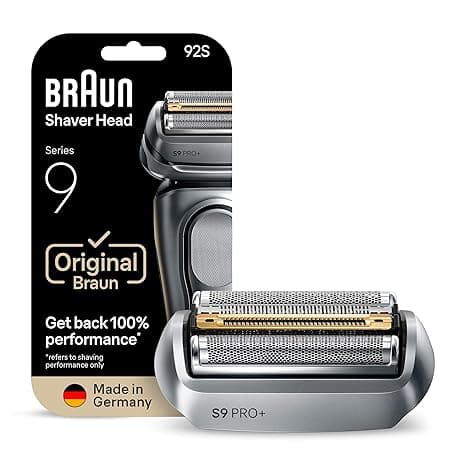
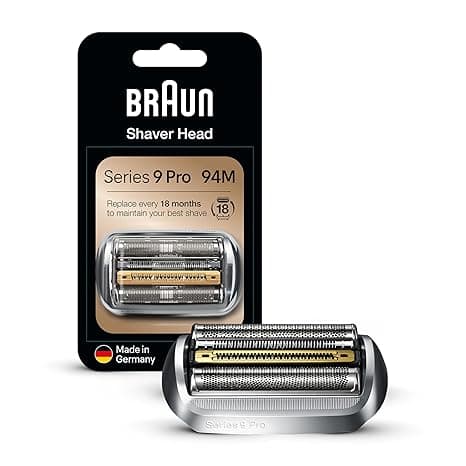
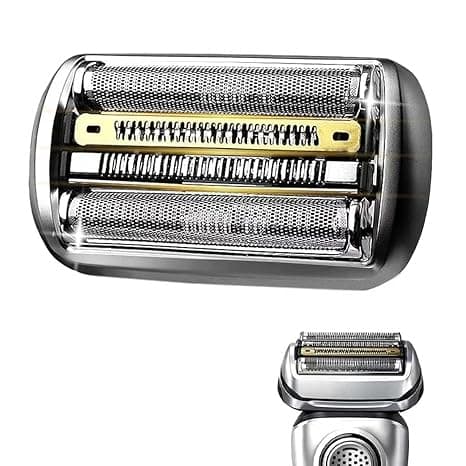
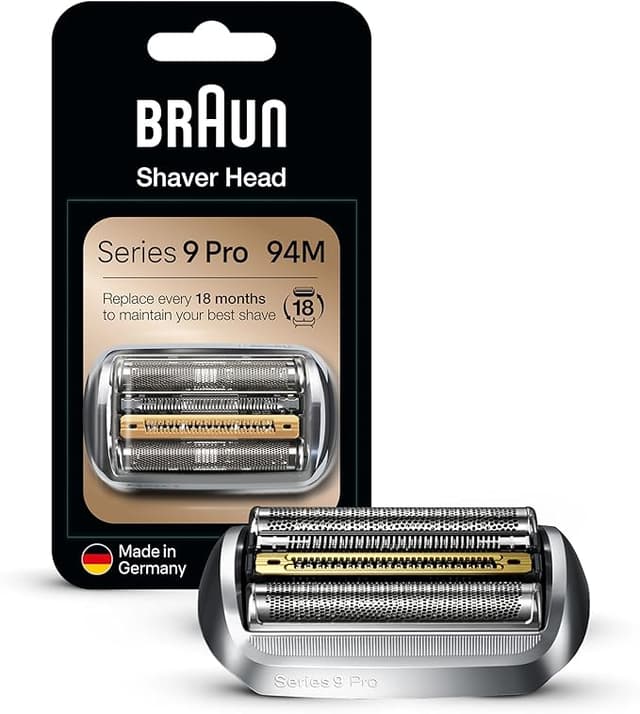
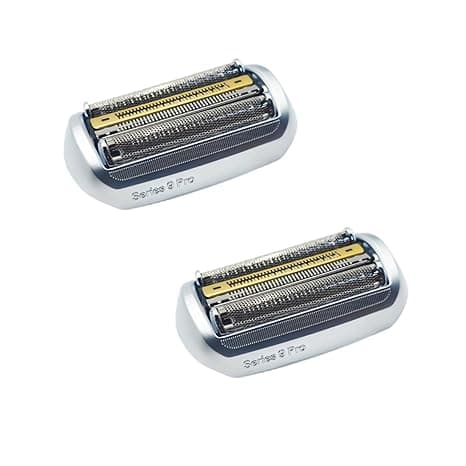
That's the number that stopped me cold the first time my Series 9 started tugging instead of cutting. I went to replace the cassette — the foil-and-cutter block, the part Braun calls the 92S or 94M depending on your finish — and the genuine one rang up at $45. Forty-five bucks. For a strip of foil and a blade pack smaller than a stick of gum. My actual shaver, the whole machine, cost me a couple hundred a few years back, and Braun wants nearly a quarter of that every time the head wears out. Which is roughly once a year if you shave daily.
So I did what I imagine you're about to do. I searched for a compatible one. Found it for around $22. And then I stood there, thumb hovering over the buy button, thinking: if I put a $22 no-name head on a $200 razor, am I about to ruin a good machine?
I bought it anyway. Here's what actually happened.
The math nobody at Braun wants you to do
Let me lay it out plainly, because the price gap is the whole story here. Genuine Series 9 cassette: about $45. Compatible replacement: about $22. That's a $23 difference on a single swap. If you're a daily shaver, Braun recommends a new head about every 18 months — but honestly, with stiff beards a lot of us are doing it closer to every 12. Run that out over five years and you're looking at maybe $135–$180 in genuine heads versus $66–$88 in compatibles. You're keeping nearly a hundred dollars in your pocket over the life of the razor for, as far as I can tell, the same basic job.
And no — the answer is not "just buy a new shaver." Your Series 9 motor is fine. The body's fine. The only thing that wears is the foil and the cutter underneath it, and that's the one part you can actually replace. Swapping the head restores the cut. Buying a whole new razor to avoid a $22 part is exactly the upgrade-treadmill nonsense these prices are designed to push you toward.
Does it actually seat right? Yes — with one small note
This was my real worry. A loose-fitting head on a shaver isn't a minor thing; the cassette has to clamp down flat or the foil flexes and you get an uneven shave. So I paid attention to the install.
You press the two release buttons on the sides, the old head pops off — mine practically jumped into my hand. The new cassette snaps in the same way, and I'll tell you, the click was reassuring. It seated flush. No rocking, no gap along the edge where the head meets the body. The latch grabbed exactly the way the original did. Before the first shave I put a single drop of light oil along the foil, ran the razor for a few seconds to work it in, and that was the whole job. Maybe ninety seconds.
The one note: the frame around the foil felt a hair less precise than Braun's. Not loose — it locked in solid — but if you run a fingernail along the seam, the plastic tolerances are a touch rougher than the genuine part. It does not affect the shave. It just tells you you're holding a third-party piece. Which, for $22, fine.
The honest performance read
First shave, the difference from my worn-out head was night and day — but that's an unfair comparison, since anything beats a dull foil. The real test is: how does it stack against a fresh genuine head?
Close. Closer than the price gap suggests. The closeness of the shave was right there with OEM — I went over my jaw and neck and got down to skin-smooth in about the same number of passes. Where I'd say genuine still edges it out is glide. Braun's foil has a slightly slicker feel over the skin, and on the compatible I noticed a touch more drag, especially over the curve of the jaw on the first couple of uses. By about day three or four it had broken in and that drag mostly went away. Not gone entirely. Mostly.
The other small thing: it ran a hair louder for the first week. Tiny difference, the kind you only notice because you're listening for problems. It settled.
The downsides, said straight
I told you I'd give you at least one real one, so here's the honest list.
- Break-in is real. The first two or three shaves had that slight drag I mentioned. If you're someone who judges a product on day one and returns it, you might bail before it earns its keep. Give it a week.
- The packaging is cheap. Genuine Braun heads come in that crisp branded box with the foil protected in a molded shell. This showed up in a thin blister pack. The head itself was fine and protected, but it doesn't feel like $45, because it isn't.
- Longevity is the open question. I've been running mine about four months of daily shaving and it's holding its cut well. I can't promise you it lasts the full 18 months a genuine one might — and if it taps out at 12 instead, you've still spent half as much. But I'd be lying if I told you I've stress-tested two full years. I haven't yet.
Why a worn head is worth fixing now, not later
Quick word on why this even matters, because it's easy to limp along on a dull head. When the foil and cutter wear down, the blades stop slicing hair cleanly and start pulling it — yanking each whisker before it cuts. That's the tug you feel. It's also exactly what gives you razor burn and those angry little bumps along the neck. A worn head isn't just a worse shave; it's an irritating, sometimes painful one. Swapping it isn't cosmetic maintenance, it's the difference between a shave that feels like gliding and one that feels like sandpaper.
So who should buy what?
If you've got sensitive skin that reacts to the smallest change, or you're the type who wants the absolute slickest, most broken-in glide from the very first stroke and you don't blink at the price — buy the genuine Braun head. It's a real, if small, step up, and there's no shame in paying for the sure thing.
But for me? I've got a perfectly good razor, a beard that doesn't care about a half-degree of glide, and a strong objection to paying $45 for a part that does the same job as a $22 one. The compatible head fit clean, cut close, broke in within a week, and saved me real money. I bought it nervous. I'd buy it again without thinking twice — and the next time mine wears down, I will.