Troubleshooting & Analysis
What you're actually deciding here
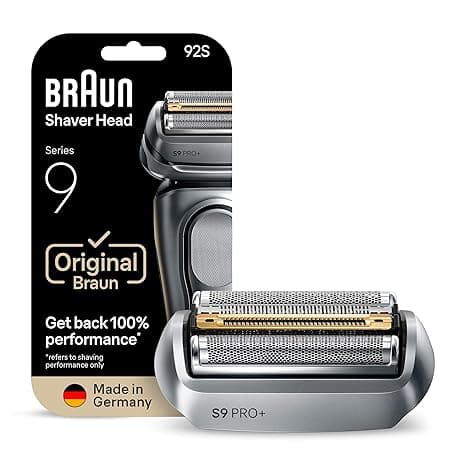
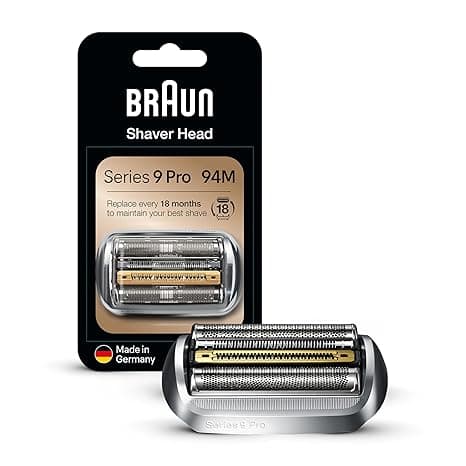
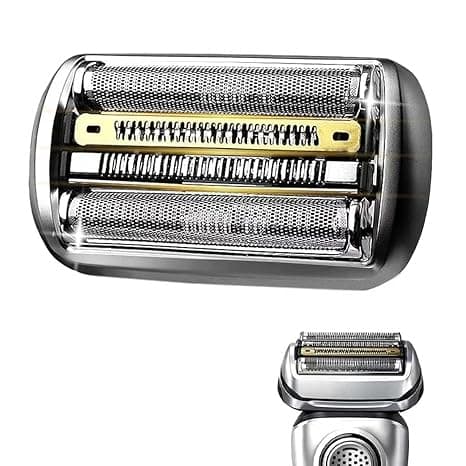
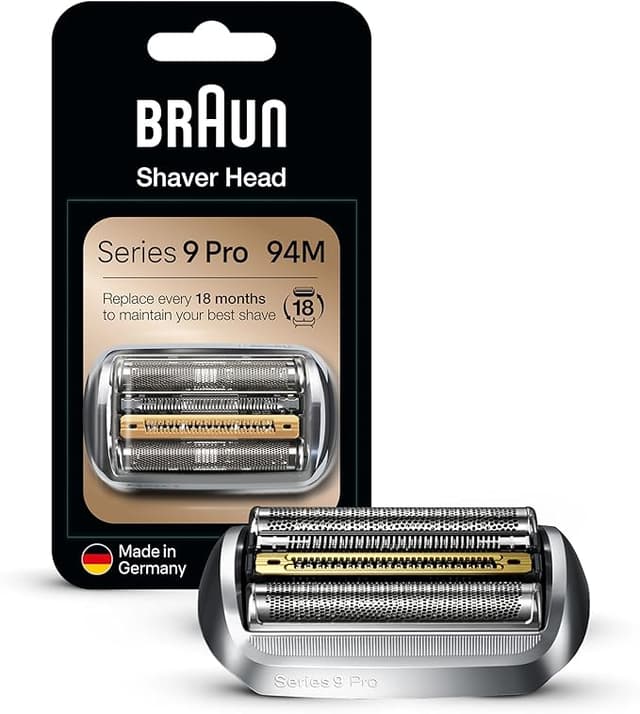
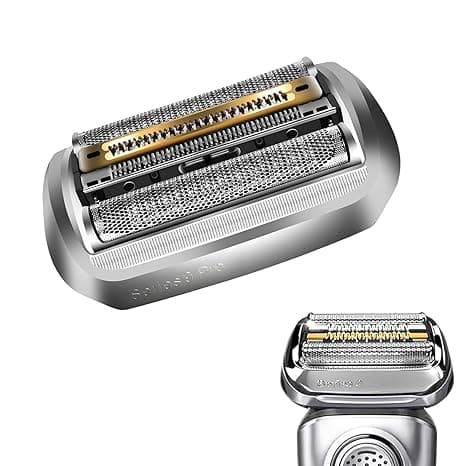
Let me be clear about what we're talking about, because "Series 9" covers a lot of ground. This isn't a fluid filter or a screen you rinse — it's the entire shaving head: the two outer foils plus the center trimmer and the cutter block underneath, the part that does all the work and takes all the wear. Braun's official line is that you swap it roughly every 18 months. In practice, most people I know stretch it way past that and then wonder why their shave suddenly feels like sandpaper dragging.
That's the real problem the cheap head is solving. Your shaver motor is probably fine. The battery's fine. It's the head that's worn flat, and Braun would love to sell you a $55 replacement — or, better yet, nudge you toward a whole new shaver for $250+. You don't need a new shaver. You need the part that's dull to not be dull anymore.
The honest install, click and all
Swapping it is genuinely a 30-second job, and the compatible head did not make it harder. You press the two release buttons on the sides, the old head pops up and off, and the new cassette snaps down into place. There's a specific click when it seats — a solid, slightly plasticky tk — and on the compatible one I got that click on the first try. I'll be honest, I expected to fight it. I didn't.
One thing the box won't tell you: put a single drop of light machine oil (or the Braun oil if you have it) on the foils before the first run. Run it dry for ten seconds so it works in. Every replacement head, OEM or not, runs a little stiff and noisy out of the package, and that drop of oil is the difference between "is this thing okay?" and "oh, that's smooth." Skip it and you'll think the cheap head is junk when really it's just dry.
How it actually shaves
First morning, the compatible head gave me a close, clean shave with no nicks. Three passes on the jaw, with-grain then across, and my face felt the way it's supposed to — not raw, not patchy. For a head that cost less than a movie ticket and a popcorn, I was honestly a little annoyed at how good it was, because it complicates the easy story where you "get what you pay for."
So where's the catch? It's real, and here it is. The compatible foils feel a hair less refined on the very first stroke each morning — that initial pass over a full day's growth is slightly less effortless than the genuine Braun, which seems to grab and cut longer hairs a touch more cleanly. By the second pass it evens out completely. And on the neck, where the skin moves and the angle gets awkward, the genuine head pivots and tracks just a little better. The compatible one needs me to slow down and go over that one tendon spot twice. Minor. But I notice it, and if I'm being the friend who tells you the truth, you should know it's there.
The other downside is longevity, and this is the one I can't fully prove yet but can warn you about. I've run the compatible head daily for about four months and it's holding up fine. But the genuine Braun foils are a known quantity — people get a solid 18 months. I'd bet money the compatible head fades a bit sooner, maybe 12 months instead of 18. That matters for the math, so let's do the math.
The money, done properly
Genuine head: ~$55, lasts ~18 months. That's about $37 a year. Compatible head: ~$22, and let's be pessimistic and say it lasts only 12 months. That's $22 a year. Even in the worst case where the cheap one dies a third sooner, you're paying $22 versus $37 — and you've still spent $33 less up front this morning. If the compatible head lasts the same 18 months mine seems on track for, it's not close. It's $22 against $37 with the longer interval. The savings gap isn't marketing; it's the difference between replacing a wear part and feeling robbed every time you do it.
Why a dull head isn't just annoying
Here's the part people ignore until it bites them. A worn shaving head doesn't fail gracefully. The foils thin out, the cutter goes dull, and instead of slicing hair the head starts pulling it — tugging each whisker before it cuts. That's where razor burn comes from, and those little inflamed bumps along the jaw and neck. I've had it. It's not the shaver being "bad," it's the head being past its life. So whether you go genuine or compatible, the move is the same: stop shaving with a dead head. The compatible one just makes doing the right thing cost a third as much, which means you'll actually do it on schedule instead of stretching a worn cassette another six months because the replacement felt too expensive.
Who should buy which
If you have sensitive skin that flares at the slightest provocation, or you're the kind of person who wants the absolute best first-pass glide and doesn't blink at $55, buy the genuine Braun. You'll get that marginally smoother neck tracking and the proven 18-month life, and you'll never second-guess it. That's a legitimate choice and I won't talk you out of it.
But me? I shave every day, my skin's normal, and I care more about a clean, close, no-nick result than about the last five percent of glide on the first stroke. The compatible head gives me that for around $22. After four months it's done nothing to make me regret it. So I grab the compatible one — and the next time my foils go dull, I'll grab it again, because I already have, and my face is fine, and my wallet noticed the difference.