Troubleshooting & Analysis
The morning my Series 9 started pulling instead of cutting
It happened on a Tuesday, which is somehow always when these things go. I'd been running the same head on my Braun Series 9 for — honestly? Too long. Way past when I should've swapped it. And that morning it stopped shaving and started plucking. You know the feeling. The foil drags, the blade catches a hair instead of slicing it clean, and there's that little sting on the jawline that you feel for the rest of the day. By the time I got to my neck I had three spots of razor burn and a face that looked like I'd lost a fight with a cat.
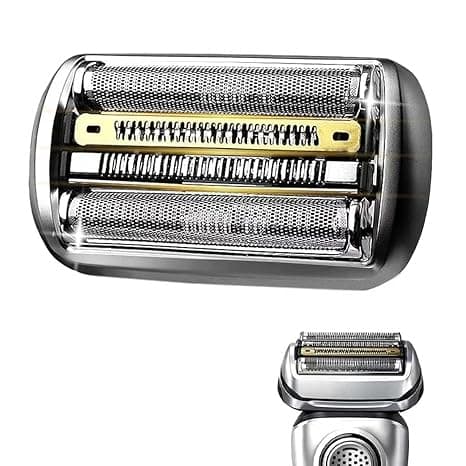
That's the thing nobody warns you about with a worn shaving head. It doesn't die all at once. It just gets quietly worse until one morning you're standing there wondering why your $300 shaver feels like a disposable Bic. The cassette — the foil-and-cutter assembly that does the actual work — wears out long before the motor does. And when it goes, the machine doesn't tell you. Your skin does.
What Braun wants you to do vs. what actually fixes it
Here's where people make the expensive mistake. Your shave goes bad, you assume the shaver's done, and you start pricing out a new Series 9. That's a few hundred dollars to solve a problem that lives entirely in a $30-ish part. Braun would love that. The razor's a razor-blade business in the most literal sense — the machine's just the handle.
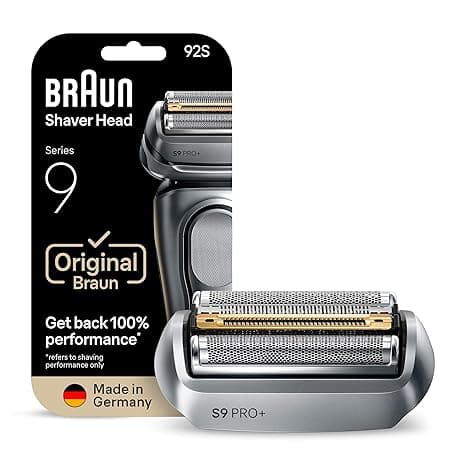
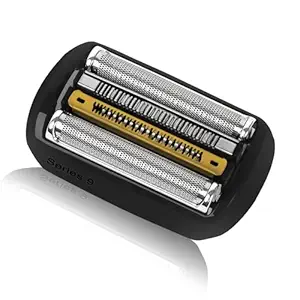
The fix is the replacement head. A fresh cassette restores the Series 9 to basically 100% of what it did out of the box — same close cut, same comfort, none of the tugging. That's the whole repair. You're not buying a new appliance. You're buying the consumable that was always meant to be swapped, and you're keeping a motor that's got years left in it.
I went with a compatible aftermarket head this last round instead of the genuine Braun one, mostly out of stubbornness about price, and I want to walk you through whether that was smart or dumb. Because I was nervous about it too.
The install — genuinely a 30-second job
I'll say this up front: this is the easiest "repair" you'll ever do. You press the two release buttons on the sides of the head, the old cassette pops off, and you snap the new one on until you feel it click into place. That click matters — if it doesn't seat with a definite snap, you didn't have it lined up right, so pull it and try again. Then a single drop of shaver oil along the foil and you run it dry for a few seconds to work it in.
That's it. No tools. No video tutorial needed, though I watched one anyway because I don't trust myself. The compatible head I bought snapped on with the same satisfying click as the original, and the foil frame lined up flush with the body. No gap, no rattle.
The honest performance take
First shave with the new head: night and day from the worn-out one, obviously — but that's not a fair comparison. The real question is how it stacks up against a genuine Braun cassette, and here I'll be straight with you.
The cut is excellent. On my cheeks and neck it's every bit as close as the OEM head I'd used before, and the foils glide instead of drag. After about a week of daily shaves it had fully broken in and I stopped thinking about it, which is the highest compliment I can give a shaving head. You only notice these things when they're bad.
Where it's a hair behind — and I mean a hair — is the very first two or three shaves. There was a tiny bit more pull on the coarse stuff under my chin the first morning, like the cutter needed a couple of sessions to settle against the foil. That faint plastic-and-metal smell off a brand-new head? It's there too, for about a day. By shave four it was gone and it tracked my OEM experience almost exactly.
The real downsides — because there are some
I'm not going to pretend this is identical to genuine Braun. A few things I noticed and want you to know before you click buy:
- The packaging is cheap. Thin plastic clamshell, no fancy box. Doesn't affect the shave at all, but if you're the type who likes the unboxing to feel premium, this isn't it.
- The frame tolerance is a touch looser. Snapped on fine and held solid through weeks of use, but if you put it side by side with a genuine cassette you can feel the OEM one is machined a smidge tighter. In practice I never felt it move during a shave. But it's there.
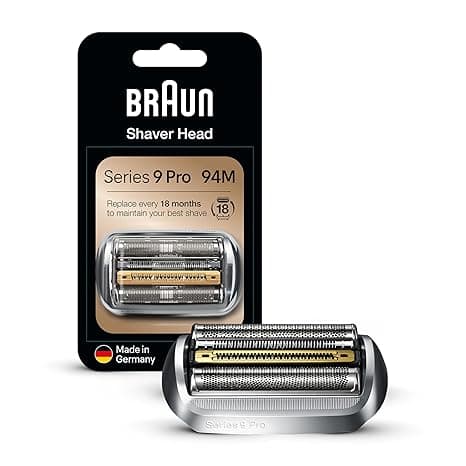
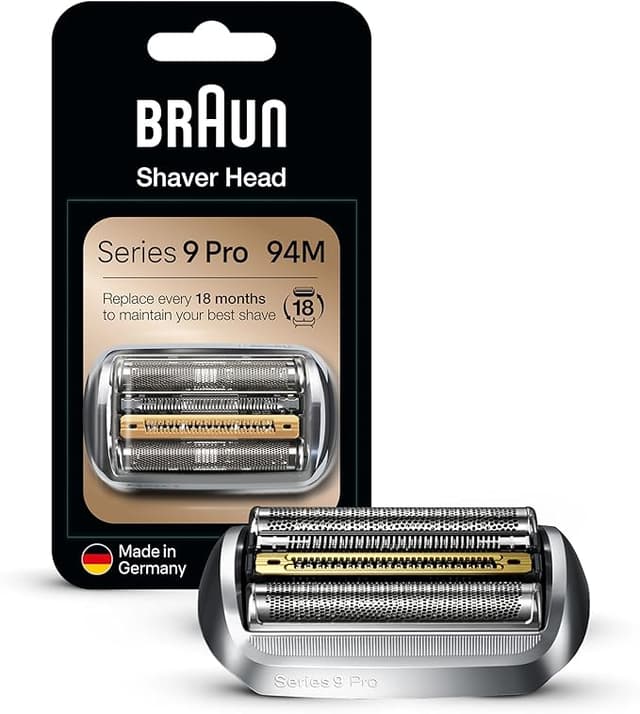
- Longevity is the open question. I've had mine running daily for a couple of months now and it's holding strong, but I can't yet swear it'll last the full ~18 months Braun claims for theirs. I'll know in a year. For now it's performing like it should.
Those are real, and I'd rather you hear them from me than feel burned later. None of them changed my verdict, but you deserve the full picture.
Why you can't just ignore a worn head
Quick word on why this isn't optional maintenance. A dull cassette doesn't just shave worse — it shaves rougher. Those blades pulling hair instead of cutting it are what give you the razor burn, the ingrown hairs, the irritation you start blaming on your skin or your shave gel. It's the head. A worn foil also means you press harder to compensate, which makes the irritation worse and wears the motor faster. Swapping the head on schedule is the single thing that keeps a Series 9 feeling like a Series 9.
So who should buy what
If you've got money to spare and you want the absolute tightest fit and the manufacturer's longevity guarantee, buy the genuine Braun head. No shame in it — it's a great part and the tolerances are a notch better.
But for most of us? The compatible head did the same job — restored my shave to 100%, snapped on clean, broke in within a week — for around $30 instead of replacing a perfectly good shaver, and meaningfully less than the genuine cassette runs. I went in skeptical, half-expecting to regret it, and two months in I'm shaving comfortably every morning and I haven't thought about it since. That's the whole point of one of these. I'd buy it again — and when this one finally wears out, I will.