Troubleshooting & Analysis
The morning it finally got to me, I'd already been late twice that week. I was running the same Series 9 head I'd been babying for — honestly? — over a year. And that morning it didn't shave so much as tug. You know the feeling. The foil drags, the hair gets yanked instead of cut, and you finish with that hot, stippled rash along the jawline that no aftershave fixes. I looked in the mirror and my neck was pink and angry and I thought, that's it, the blades are done.
Here's the thing I almost did next, and the thing a lot of people reading this are about to do: I almost bought a whole new shaver. A Series 9 body runs north of $250. For a tug. For a worn-out cassette. That's the trap Braun is quietly counting on — that the head feels so welded to the machine that when it dulls, you replace the machine.
What actually wears out (and what doesn't)
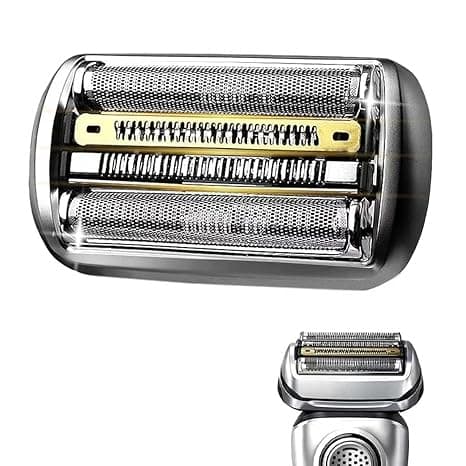
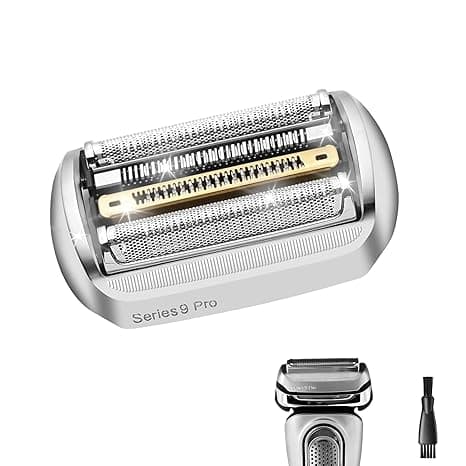
It's not the motor. It's not the battery, usually. It's the foil-and-cutter cassette sitting on top — the thin metal foil your whiskers poke through and the oscillating blade underneath that slices them off. That foil is microns thick. Run it daily for a year and the perforations widen, the cutter loses its edge, and you get exactly what I got: pulling instead of cutting. The body of the shaver is fine. You're throwing out a perfectly good engine because the tires are bald.
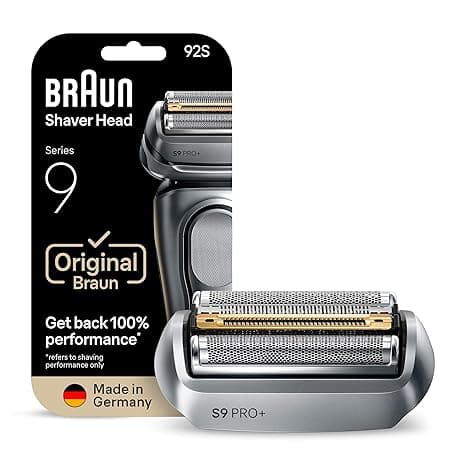
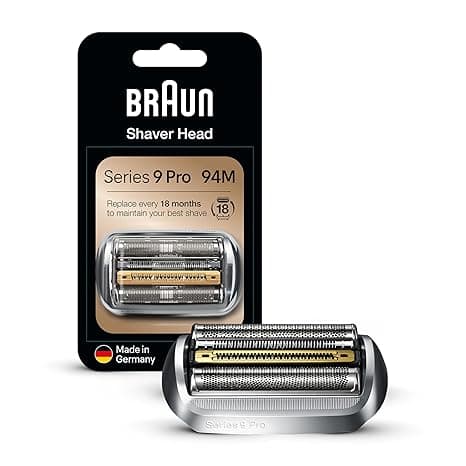
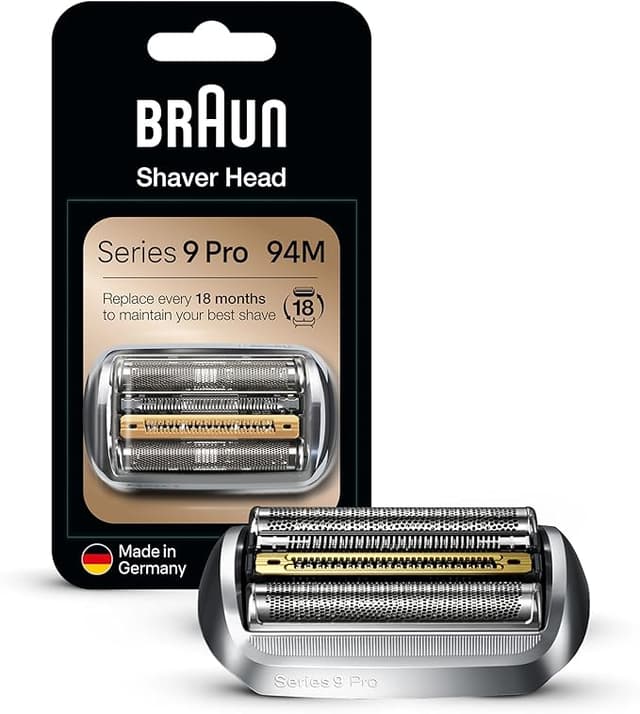
So I bought a compatible replacement cassette instead. The genuine Braun 92S/92M head, depending on where you look, sits around $45 to $55. The aftermarket one I grabbed was $24. Same job — a foil cradle and a cutter block that snaps onto the same chassis. Roughly half the price. I'll be straight with you about whether that half-price part is a false economy, because that was my exact worry too.
The swap — almost too easy
This part surprised me. You press the two release buttons on the sides of the head, the old cassette pops off, and the new one snaps in with a click you can feel through your thumb. That click matters — it's how you know the foil frame is seated flush and not sitting a hair proud on one corner. Took me maybe fifteen seconds. Then I did the one thing the directions are quietly serious about: a single drop of shaver oil across the foil before the first run. Don't skip it. A dry new cutter against a dry new foil is the one way to make a cheap head actually feel cheap.
First pass with it, the difference was immediate and a little embarrassing — embarrassing because it meant I'd been suffering through a dead head for weeks longer than I should have. No tug. The whiskers just... went. That close, slightly-too-eager bite a fresh foil has, where it almost feels faster than it should be.
Where it's honestly a touch behind OEM
I'm not going to tell you it's identical, because it isn't, and the small stuff is exactly where the price gap shows up.
- The foil frame is a hair looser in the cradle than the genuine Braun was. Not rattly, not unsafe — but if I rock the shaver next to my ear there's a faint extra play the OEM didn't have. After a week of daily use it hasn't gotten worse, but I clocked it on day one and you might too.
- There's a plastic smell out of the package. Mild, the first two or three shaves, mostly gone by day four. It's the housing, not the metal, and it never touches your skin — but it's there, and I'd rather tell you than have you think your unit's off-gassing for no reason.
- The packaging is genuinely cheap. A thin blister card, a folded slip of paper for instructions. Braun's box feels like a product; this feels like a part. Doesn't change how it shaves. Just don't expect the unboxing to reassure you — the reassurance comes on your face, the first morning.
And one more, because a single downside in a review always reads like a planted one: the printed shave-life on these aftermarket cutters tends to run optimistic. Braun rates a genuine cassette for roughly 18 months of typical use. I'd plan on swapping a compatible one closer to 12. At $24 a pop, replacing it a few months sooner still leaves you way ahead of either the $50 OEM head or — god forbid — a new $250 body. The math only breaks if you somehow value the foil lasting an extra season more than the $25 to $30 you saved this time around.
Why a dull head is more than annoying
That razor burn I started with isn't just discomfort — it's the symptom of a mechanical problem you can feel before you can see it. A worn foil widens, so it lets longer hair through before the cutter catches it, which means the blade is wrenching the whisker out of the follicle for a split second before severing it. That's the tug. Do that across your whole neck every morning and you get inflamed follicles, ingrowns, the lot. A fresh, properly seated cassette closes that gap back up. So this isn't vanity maintenance. A dead head is genuinely rougher on your skin than a sharp one, and you're paying for it in irritation whether you've worked out the cause or not.
So who should still buy genuine Braun?
If you've got the kind of sensitive skin where that faint extra foil-play would bug you, or you shave a heavy coarse beard daily and want every last month of cutter life, buy the OEM cassette and don't think twice — the tighter frame and the longer-rated edge are worth the extra $25 to you specifically. Same if you're the type who'll obsess over the looseness once I've put it in your head. Some people can't unfeel it.
But me? I shave five or six mornings a week, I'm not precious about it, and what I want is a head that cuts clean and doesn't cost me a third of a new shaver. The compatible cassette does that. The frame's a touch looser, it smelled of plastic for two days, the box is junk — and my neck stopped being pink, my mornings stopped running long, and I paid $24 instead of $50-plus to get there. I bought a second one to keep in the drawer for when this one dulls. That's the most honest verdict I've got: I tested it, I named everything wrong with it, and I still went back and bought another. Don't buy a new shaver. Buy the head.