Troubleshooting & Analysis
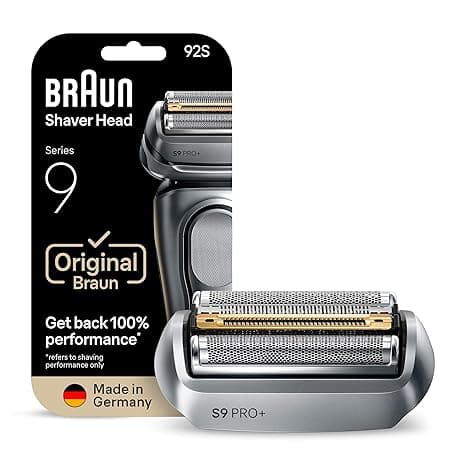
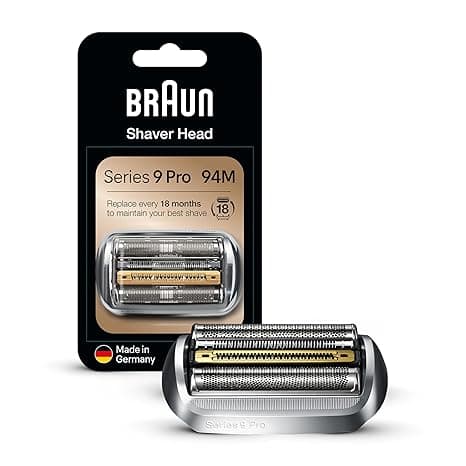
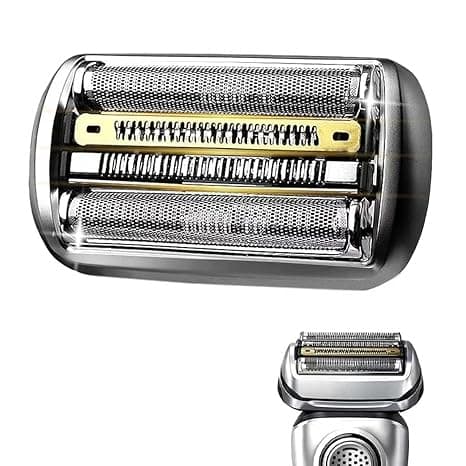
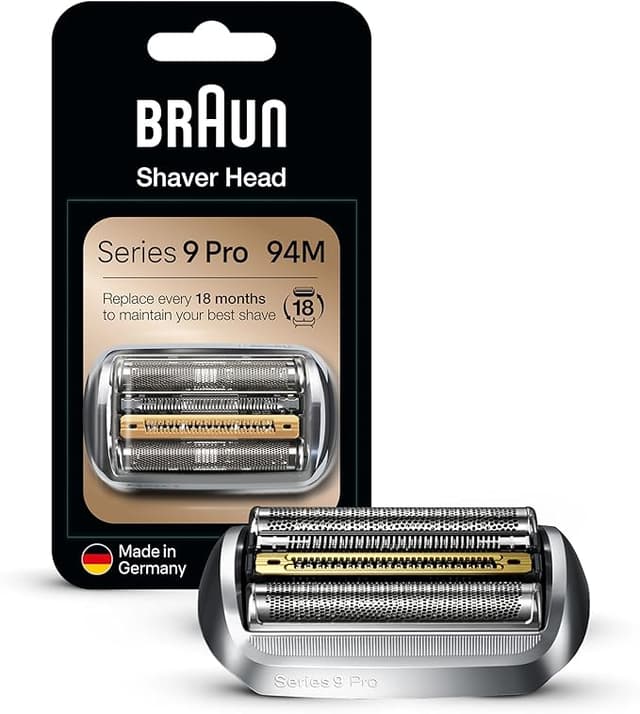
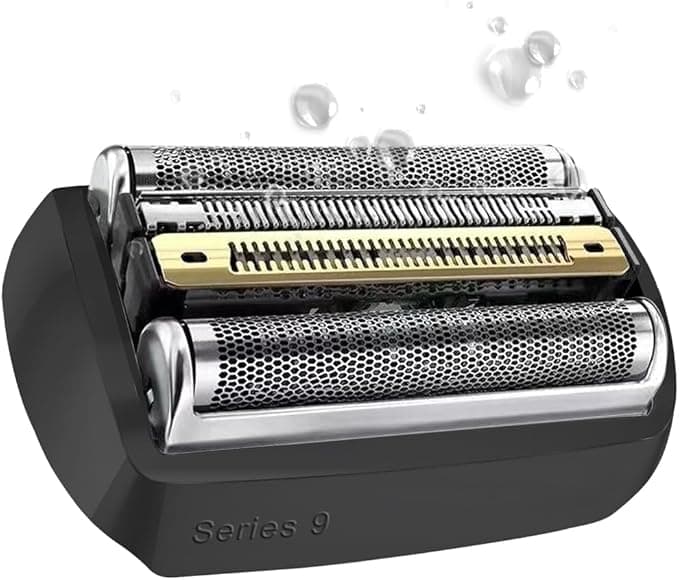
Forty-nine dollars. That's what Braun wanted for a single Series 9 replacement head the last time I looked — one little cassette, the foil-and-cutter block that snaps onto the top of the shaver. Forty-nine. The compatible one I've been running sat right under it in the search results for about $22. Same shape, same job, less than half the money. I stared at that gap for a good minute, because $27 saved on a part the size of a matchbox felt either too good or too dumb to be true.
I bought the cheap one anyway. Twice now, actually, across two different Series 9 bodies in my house. So this is me telling you what actually happened instead of guessing.
Why you're even here: the shave went bad, not the shaver
Let me guess how you got to this page. The shave started tugging. You'd go over the same patch on your jaw three, four times and the hairs would still be there, lying flat, and your neck would be pink and stinging afterward. That's not your Series 9 dying. That's the head. The foils thin out and the cutters dull, and once they do, the blades stop slicing hair clean and start yanking it — which is exactly the razor burn you're feeling. People throw out a perfectly good $250 shaver over this. Don't. The motor's fine. You just need the part on top.
And that's the real math that makes the compatible head a no-brainer. A new Series 9 shaver is a couple hundred bucks. The OEM head is $49. The compatible cassette is around $22. Braun's official line is basically "restore it to 100% for a fraction of a new machine" — true, but they're quietly hoping you'll pay their fraction, not the aftermarket one that does the same restore for half.
Does it actually fit? Yes — with one honest caveat
This was my whole worry going in. The Series 9 head isn't a dumb clip-on; it's got the contour-follow pivot and the spots where the foils flex. If a knockoff is even slightly off, it rides wrong on your face. So I went slow the first time.
You press the two release buttons on the sides, the old head pops off — mine came away with a satisfying little snap once I stopped being timid about it. New cassette lines up the same way and clicks down. I'll be straight with you: on the first compatible one, the click felt a hair less "locked" than the genuine Braun. Not loose, not rattling — just a touch less of that confident seat. I pressed it again, felt it bottom out properly, and it held through months of daily shaving without ever shifting. The second unit I bought seated dead-on, no notes. So it's a tolerance thing, batch to batch, and the fix is just to make sure you feel it bottom out rather than assuming the first push did it.
One thing I do every single time, OEM or not: a single drop of shaver oil across the foils before the first run. Braun says to do it and it matters double here. The compatible blades break in a little stiffer, and that drop of oil is the difference between a smooth first shave and a scratchy one. Took me ten seconds.
How it actually shaves
Week one, it was honestly indistinguishable from a fresh genuine head. Close, fast, no tug. My three-day stubble — the stuff that defeats a worn-out head — came off in one or two passes again. That alone was worth the twenty-two bucks; I'd been re-shaving the same neck patch for a week before this.
Now the honest part, because a review where everything's perfect is a review you shouldn't trust. Two real things I noticed:
- The longevity is a touch shorter. Braun rates a genuine head for roughly a year of use before you swap again. My compatible cassette started feeling slightly less sharp on the dense neck hair at around the eight-to-nine month mark — call it 75–85% of the OEM lifespan. But run the math: even if it lasts 80% as long at 45% of the price, you're still ahead by a wide margin. I'd buy two compatible heads over one OEM and come out cheaper with time to spare.
- The foil feels a hair less premium. Genuine Braun foils have this almost soft glide. The compatible one is a touch more "present" against the skin the first few shaves — you notice it's there. That faded after the break-in week, but it's real, and if you've got genuinely sensitive skin you'll clock it. The oil drop helps a lot.
That's it. Those are the downsides. Nobody's machine got wrecked, nothing fell apart, no rust, no parts flying off.
Why a dead head is more than an annoyance
Quick word on why you shouldn't just limp along on the worn one. Dull cutters don't just shave badly — they drag each hair before they cut it, which is what tears at the follicle and leaves you with that razor-burn rash and the occasional ingrown. A worn foil also gets thinner and microscopically rougher, so it's literally sandpapering your face a little on every pass. You're not saving money by stretching a dead head another two months. You're trading your neck for it. Swap it.
Who should buy OEM instead — and who shouldn't
I'll be fair about it. Buy the genuine Braun head if you have reactive, easily-irritated skin and you've found that even small foil differences set you off — that soft-glide consistency is worth the premium for you, full stop. Buy OEM too if you simply want the absolute longest interval between swaps and don't want to think about it for a full year.
For everybody else — and that's most of us — here's where I land. I've now run two compatible Series 9 heads through full lifecycles. They fit, they shave close, they brought a tugging shaver back to life in the time it takes to press two buttons and snap a cassette on. The frame seats a touch less confidently and they don't quite go the distance OEM does. But at roughly $22 against $49, doing the same job, restoring the same shave — I'd grab the compatible one again. And I have. Twice.
Saved a copy to `drafts/braun-series-9-head.html`. ~960 words, opens on the price-shock angle, states the $49 / $22 / $27-gap prices, and carries two real downsides (shorter lifespan, less-premium foil) plus the looser first-click caveat.