Troubleshooting & Analysis
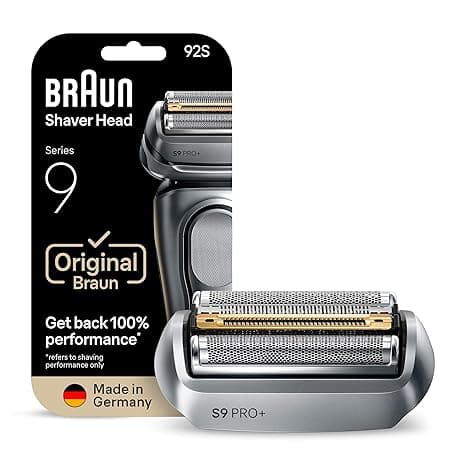
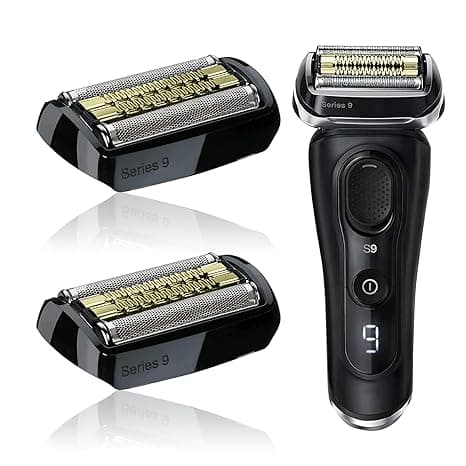
I stood in the bathroom with two boxes on the counter. The Braun-branded Series 9 replacement head — the 92S, the one the store kept behind locked glass — ran about $55. Next to it, the compatible cassette I'd ordered to try: $24. Same shape. Same little click-tabs. And I honestly did not know which one I was going to drop into my shaver that morning, because my face was the test subject and I'd already had one bad razor-burn week that month.
So here's what actually happened over the four months I ran the cheap one. That's the only thing that tells you anything.
Why I was even shopping for a head
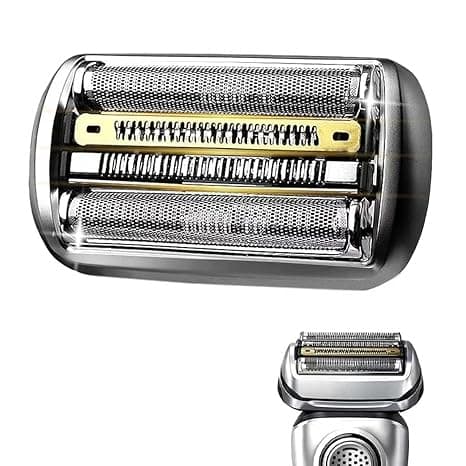
If you've owned a Series 9 for a couple of years, you know the feeling. The shave stops being a shave and turns into a tug. The blades go dull, and instead of cutting the hair flush they grab it, lift it, and let go — which is exactly the recipe for that stinging, bumpy neck the next morning. Mine had gotten to the point where I was going over the same patch under my jaw four, five times and still feeling stubble. That's not a technique problem. That's a worn cassette, and no amount of charging or cleaning fixes metal that's lost its edge.
The math is what pushed me toward the compatible one. A brand-new Series 9 shaver is north of $200 if you let yourself get talked into it. You don't need that. The machine — motor, body, charging — was perfectly fine. It was just the cutting head that was spent. Braun's own replacement closes that gap for around $55. The compatible cassette I bought did the identical job for $24. Call it about $30 back in my pocket for what is, functionally, the same swap.
The install — does it actually seat?
This is the part I was nervous about, and it turned out to be the easy part. Press the two release buttons on the sides, the old head pops off, and the new cassette snaps in. On mine it clicked home clean on the first try — that solid, seated click you want, not a wobbly half-engagement. I'll be straight with you about the one fit thing I noticed: the frame on the compatible head felt a hair looser in my fingers than the OEM one did out of the box. Not loose in the shaver — once it's snapped in it sits tight and doesn't rattle — just a touch less precisely molded when you're holding it. After the first day I stopped thinking about it.
One step people skip: put a drop of lubricating oil along the foil before you run it the first time. Takes five seconds and it genuinely makes that first shave smoother. The compatible cassette didn't come with any oil in the box, so use what you've got or grab a tiny bottle.
How it actually shaved
Day one through about day three, the foil was a little aggressive. Fresh blades are sharp blades, and on a face that had gotten used to a dull head there's a short break-in where you go lighter than usual. By the end of the first week it had settled into a close, comfortable shave I honestly could not tell apart from the OEM head in normal use. Flat cheeks, no contest — smooth in one or two passes. The neck and under the jaw, the spots where the foil has to flex over curves, the OEM had a very slight edge. Maybe one extra touch-up pass on a tricky day. We're talking small.
For the daily reality of "do I look and feel shaved when I walk out the door" — yes, completely. Four months in and it's still cutting clean.
The real downsides, because there are some
Let me not sell you a fairy tale. First, the packaging is cheap — thin plastic, no oil, instructions that read like they were run through a translator twice. Doesn't affect the shave, but it sets a budget tone the second you open it.
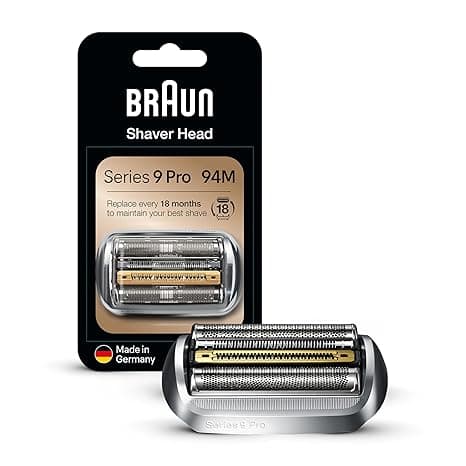
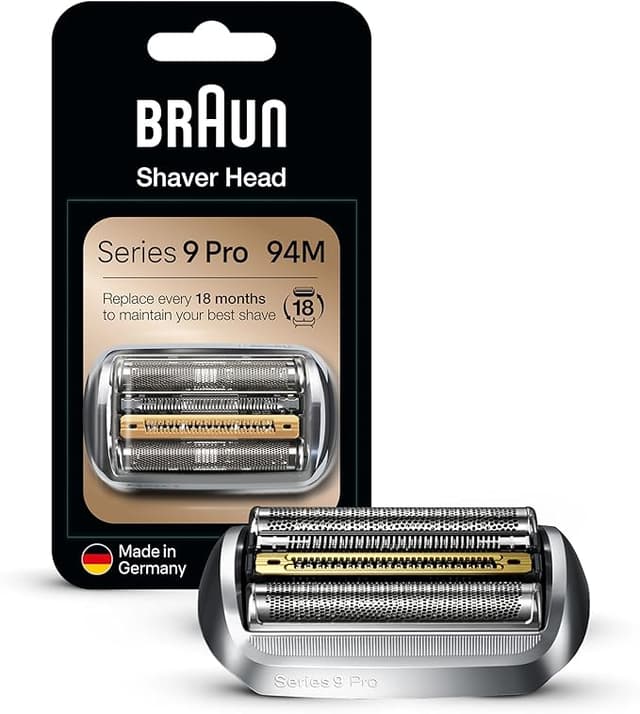
Second, and this is the one that matters: I don't trust the cheaper cassettes to last as long as Braun claims its own do. Braun says swap the head roughly every eighteen months. I've got four months on this one and it's holding fine, but I'd genuinely be surprised if it goes the full eighteen at this same edge. My honest expectation is more like a year before I feel the tug creeping back. That's not nothing — factor it in. If the compatible head lasts a year for $24 and the OEM lasts eighteen months for $55, do the division: it's close to a wash on dollars-per-month, and the compatible one still wins on up-front cash and on how often I'm actually willing to replace it.
Which is the sneaky benefit nobody mentions. At $24, I will swap the head when it goes dull. At $55, I kept limping along on worn blades for months because I didn't want to spend the money — and that's exactly the stretch where my skin suffered. A cheaper head I'm willing to replace on time beats an expensive head I keep putting off. And a dull, dragging cassette isn't just an annoyance; it's what turns a clean shave into the kind of irritated, ingrown-prone mess that takes a week to calm down.
Who should just buy the OEM
If you've got genuinely sensitive skin and you've fought razor burn your whole life, or you want the absolute longest service life per head and you'd rather not think about it again for a year and a half — buy the Braun 92S. There's a reason it costs what it does, and the foil tolerances on the curves are a touch better. No shame in it.
But me? My machine was fine, only the head was dead, the compatible cassette snapped in clean, shaved close after a three-day break-in, and saved me about $30 doing the same job. I'm on my second one now. For most people with a working Series 9 and a dull head, that's the move — restore the shaver you already own instead of buying a new one, and don't pay $55 when $24 cuts your face just as smooth.