Troubleshooting & Analysis
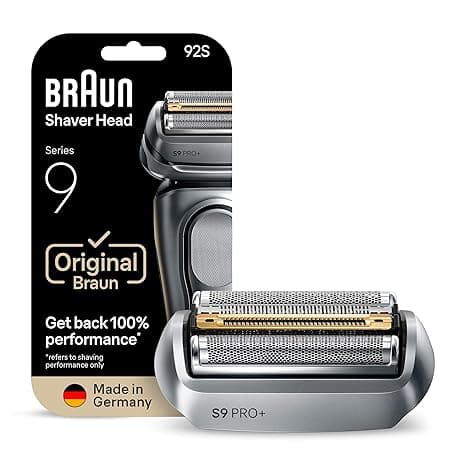
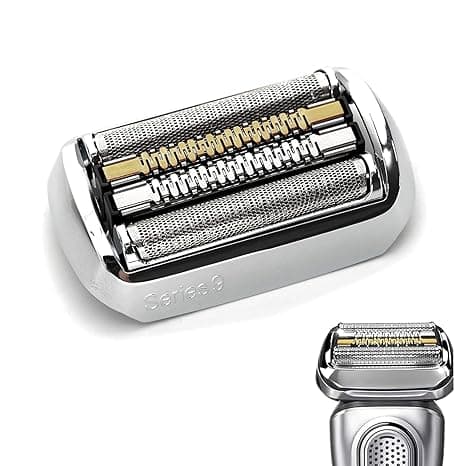
The morning I finally swapped it out, I'd been bleeding from my jaw for three days straight. Not dramatic, just that thin red line under the chin that shows up when a foil head has gone past its working life and you keep pretending it hasn't. My old Braun 92S cassette was maybe eighteen months in — way past where it should've been retired — and it had stopped cutting hair. It was yanking it. You feel that difference instantly: instead of the smooth buzz where whiskers drop away, you get this tugging, plucking drag, and then the burn shows up an hour later like a hangover.
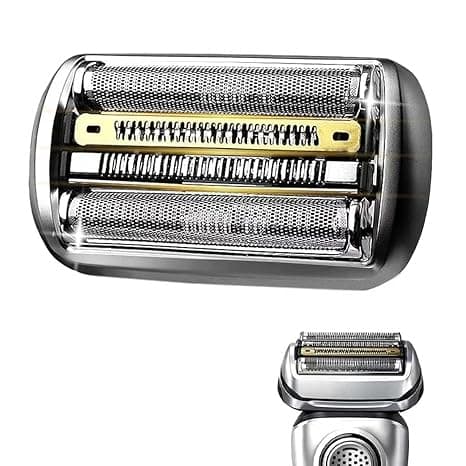
I'd been telling myself the shaver was just "getting old" and half-shopping for a whole new Series 9. That's the trap. You convince yourself the motor's tired or the battery's shot, when really it's a worn part bolted to a perfectly good machine. The blades underneath the foil dull, the foil itself stretches and pits, and the whole head stops shearing and starts grabbing. Nothing wrong with the shaver. Everything wrong with the four square centimeters of metal doing the actual work.
So I bought the compatible head instead of a new razor
Here's the math that should stop anyone mid-checkout. A new mid-tier Braun runs you north of $180. A genuine 92S cassette from Braun is usually around $40 when it's not on some rotating sale. The compatible replacement head I grabbed was $24. That's the real spread — twenty-four bucks versus forty for the branded one, and versus a hundred-eighty-plus for the nuclear option of replacing a razor that has nothing wrong with it.
I'll be honest, I didn't trust the cheap one. I've bought enough aftermarket junk to be suspicious of anything that undercuts OEM by that much on a part that literally touches your face. So I went in expecting to be annoyed and maybe to eat the $24 as a lesson.
Does it actually fit? Yeah — with one second of doubt
The 92S is a cassette design, which is the good news. You're not aligning a bare foil and a separate cutter and praying. You press the two release buttons on the sides, the old head pops off, and the new one snaps down into the same slots. On my machine the new cassette seated with that same firm click the original had. Took me maybe fifteen seconds.
One small thing: the very first push, the frame felt a hair looser than the factory part going in — like the molded plastic clip tolerances aren't quite as tight as Braun's. It clicked home fine and it has not budged or rattled in months of daily use, but that first seat made me press a second time to be sure. After it locks, you can't tell the difference by feel. I put a single drop of light oil across the foils before the first run, the way you're supposed to with any new head, and let it cycle for a few seconds. That break-in matters more than people think.
The first week is honestly a little rough
Brand-new foils on any head — OEM included — are stiff. The first two or three shaves with this compatible cassette were the least comfortable, and there was a faint metallic-plus-plastic smell the first day that I assume is machining residue or packaging. It aired out fast. By about day four the foils had worn in against my skin and the shave smoothed right out, and that's where it's stayed: close, quiet, no tug, no line of burn under the jaw. If you swap a head and judge it on shave one, you'll judge every head badly. Give it the week.
Performance once it's broken in? On a flat cheek it's genuinely a wash against the genuine part — clean pass, hairs gone, skin not angry. Where I can feel a small gap is the tricky terrain: right under the nose, the corner of the jaw, the neck where the hair grows three directions at once. The OEM foil felt like it grabbed those laydown hairs about five percent better, so I make one extra pass there. Not a dealbreaker. Just the truth.
The real downsides, not the polite ones
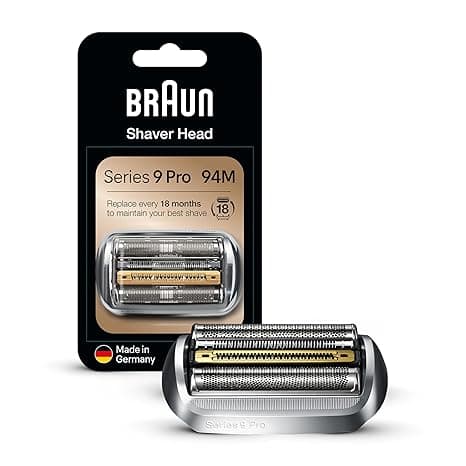
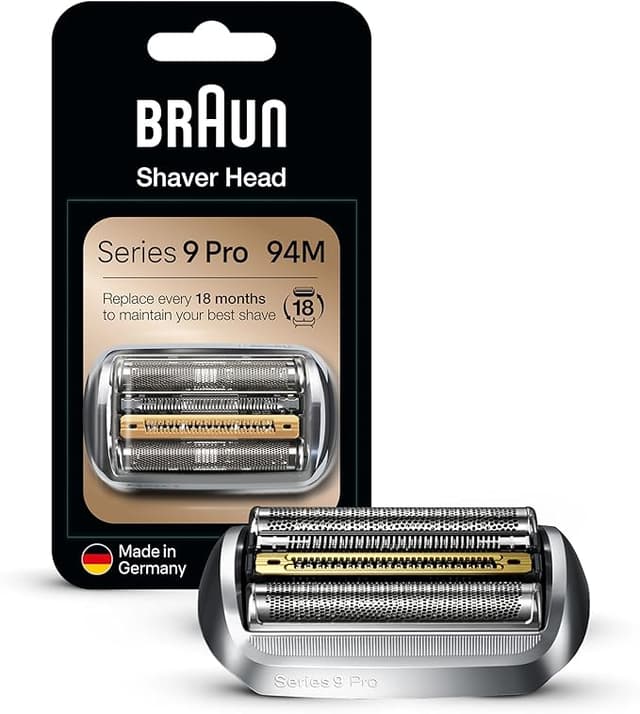
The packaging is cheap — a thin blister card, no satisfying box, which tells you nothing about the part but does make you feel like you bought the budget thing, because you did. More substantive: I don't fully trust the longevity yet. The genuine Braun head, Braun says to replace every 18 months, and mine roughly held that. This compatible one has been solid for several months running daily, but I'd bet it loses its edge a touch sooner than the OEM — call it a year before it starts to drag — because the steel and the foil plating just aren't going to match the original spec exactly. Here's the thing though: even if it dies four months early, you're paying $24 against $40. You're still ahead, and you're not stretching a dead head across your face for an extra season the way I did, which is the actual mistake.
And that's the part worth saying plainly, because it's the whole reason I started bleeding in the first place. A worn shaver head isn't just a worse shave — it's the cause of the razor burn, the ingrowns, the irritation people blame on their skin or their soap. Dull blades pull instead of cut, the follicle gets tugged, and your neck turns into a rash field. A fresh head, OEM or compatible, fixes that overnight. The expensive mistake isn't buying the cheaper cassette. It's running any cassette six months too long.
Who should skip it — and why I keep grabbing it
If you've got genuinely sensitive skin that flares at the smallest thing, or you shave a heavy, coarse, multi-direction beard daily and need that last five percent on the tough spots, spend the extra to stay on the genuine Braun head. The tolerance and that slightly better laydown grab will matter to you, and the few dollars won't.
For everyone else — which is most of us, shaving an ordinary face every morning — I run the compatible 92S head and I'd buy it again. I have, in fact; I'm on my second. It snaps into the same slots, it shaves clean once it's worn in for a week, and it turned a razor I was about to replace for $180 back into the one I've owned for years. Twenty-four dollars to undo that. The OEM part is the safer call. This one's the smarter one, and it's the one sitting on my shaver right now.