Troubleshooting & Analysis
Forty-some dollars for a Braun head. Again.
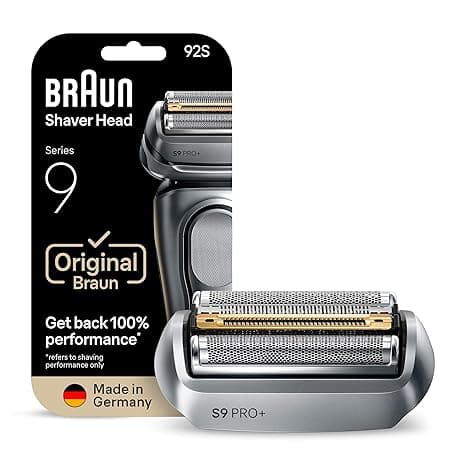
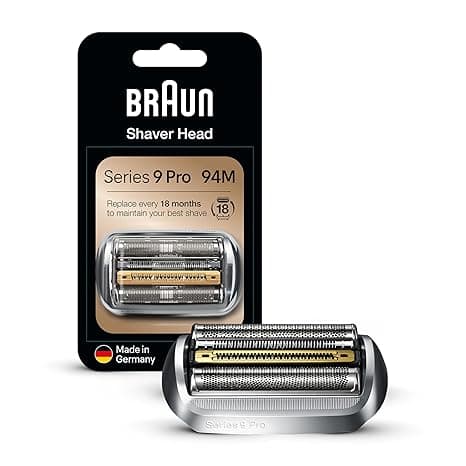
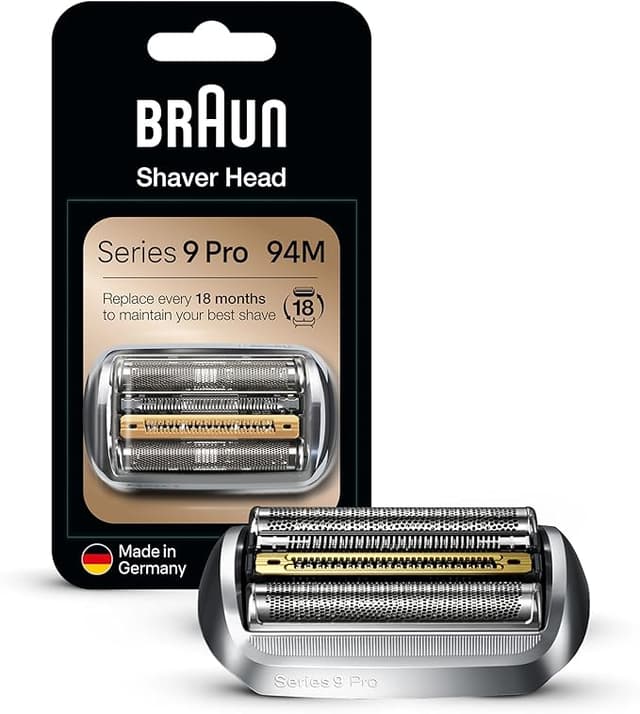
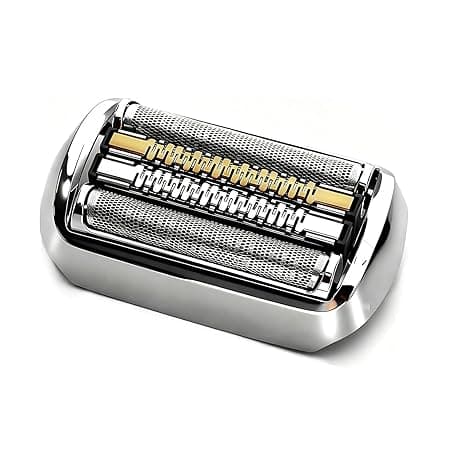
I put my old 92S cassette next to the price tag at checkout and just stood there. Forty-two dollars. For a strip of foil and a cutter block smaller than a stick of gum. I'd already done this dance — buy the Series 9, love it for a year, then watch the OEM replacement head cost almost as much as a whole budget shaver. And Braun wants you back at the counter every 18 months or so, because that's roughly how long a foil holds its edge before your morning shave turns into a tug-of-war.
So the math that pushed me over: the genuine 92S head was running $42 the day I looked. The compatible 92S-fit cassette I ended up buying was $17. That's a $25 gap on one swap. Do that every year and a half across the life of the razor and you're talking real money — easily a hundred-plus dollars I'd have handed Braun for the privilege of buying back the thing I already own. I'm cheap about exactly this kind of thing, so I bought the $17 one to see if it was junk.
What I was actually nervous about
Here's the honest fear with aftermarket shaver heads: it's not "will it shave at all." It's "will it pull." A foil that's a hair too stiff, or a cutter that doesn't ride flush under it, drags hair instead of slicing it clean — and on a Series 9 you feel that instantly. Razor burn, that hot patch under the jaw, the spot on the neck that goes red. A dead or wrong cutter in your 92S yanks hair, and that's the difference between a shave you forget about and one your skin reminds you of all day. That was the test in my head. Not "good enough." Pull or no pull.
The fit and the swap
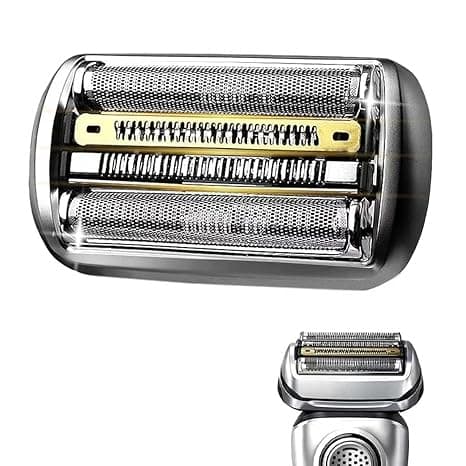
Install took me under a minute and there's nothing clever about it. You press the two release buttons on the sides of the shaver, the old head pops off, and the new cassette snaps down in its place. You'll hear it — there's a definite click when both sides seat. I did add a single drop of light oil across the foil after seating it, which I'd recommend with any new head, OEM or not; it cuts the first-shave friction while everything's still settling.
Now the honest part. The frame on this compatible cassette is a touch looser in the hand than the Braun original. When I had it off the shaver and wiggled it, there was a faint bit of play in the foil frame that my old genuine head didn't have. Once it's clicked onto the body it's locked fine — no rattle, no movement during a shave — but on the bench you can tell the plastic isn't molded to the same tolerance. It bugged me for about a day and then I stopped noticing.
How it actually shaves
First two shaves: a little louder, a little buzzier than a broken-in Braun head, and there was a whisper of plastic smell the first morning — gone by day three. That break-in is real and it's normal; a fresh foil hasn't conformed to your face yet.
By the end of the first week it had settled, and on the flat planes — cheeks, the sides, most of the neck — I genuinely could not tell it apart from the genuine cassette. Clean pass, no drag, smooth. Where I'll be straight with you: under the jaw and around the chin, the very tightest contours, the OEM head still has a slight edge. The genuine foil flexes just a touch more obediently into those curves. With the compatible one I do one extra pass there, maybe two seconds more of work. Flat-lying neck hair and anyone with a really coarse, dense beard might notice it more than I do — I'm medium-coarse and it's a non-issue for me, but I won't pretend the foil is identical in the hard spots.
The other small thing: the packaging is cheap. Thin blister card, no satisfying Braun box, instructions that read like they were translated twice. None of that touches your face, but if you're the type who wants the unboxing to feel like $42, this won't.
Why you don't want to limp along on a dead head
This is the part people skip and shouldn't. A worn foil isn't just an annoyance — it's why your skin breaks out after shaving. Dull cutters under a tired foil grab and twist each hair before they sever it, and that micro-tugging is exactly what causes ingrowns and that raw, burned feeling. People blame their skin or their technique when the real culprit is a head they've stretched to two and a half years because the replacement felt too expensive. A fresh cutting surface — this compatible one absolutely counts — fixes that overnight. The first shave after I swapped mine, the under-jaw irritation I'd been living with for months just... wasn't there.
Who should still buy the Braun head
I'll say it plainly: if you have very sensitive skin, a thick coarse beard, or you're the kind of person who will obsess over a one-second-longer pass on your neck, buy the genuine 92S cassette and don't think twice. The tolerances are tighter, the contour foil is a little better, and for some faces that margin matters. If you shave for a job where "almost perfect" isn't acceptable, pay the $42.
For the rest of us — and I think that's most of us — the compatible 92S head does the same job for $25 less, and after the two-day break-in I stopped being able to tell which one was on my razor unless I picked it up and looked. I've now bought it twice. The loose frame on the bench, the cheap card, the slightly extra pass under the jaw: those are the real costs, and they're small. Restoring a $300 shaver to a genuinely clean, no-pull shave for seventeen bucks is the easy call. I made it, I'd make it again, and my neck is happier for it.