Troubleshooting & Analysis
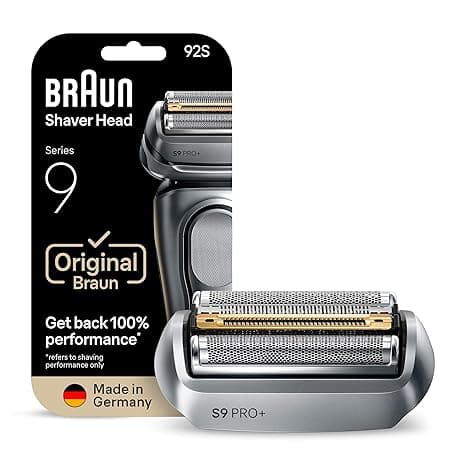
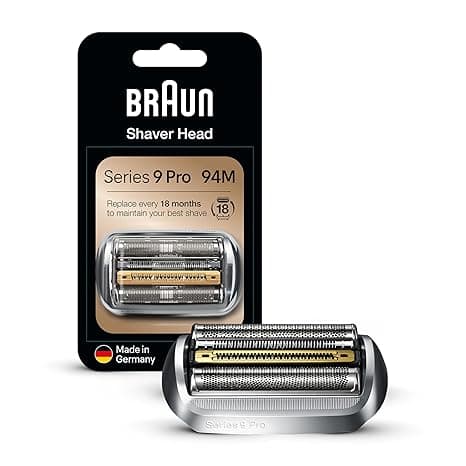
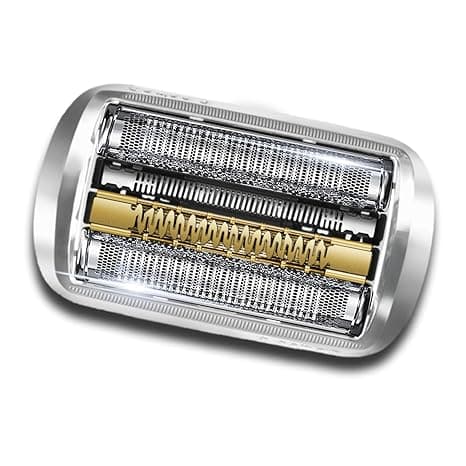
The first thing I noticed wasn't the shave. It was the click. That little plastic snap when the new 92S cassette seats into the foil frame — a flat, confident tock that the worn-out original stopped making months ago. My old head had gone soft at the latch, rattling a hair whenever I tilted the razor against my jaw. The replacement locked in like it meant it. I stood there at the bathroom sink at 6 a.m., pressing it in and popping it out three or four times just to feel that it actually held. Sad, maybe. But after a year of a shaver that pulled instead of cut, that sound meant something.
Here's the situation most people are in when they land on this page: your Braun still runs fine. Motor's healthy, battery holds a charge — but every pass across your cheek feels like the razor is tugging hairs out one at a time instead of slicing them clean. You get that hot, stingy razor burn along the neckline. And you start doing the math on whether it's cheaper to just buy a whole new shaver.
Don't. That's the trap. A new Series 9 or whatever they're upselling you runs north of $200, and there is nothing wrong with the machine in your hand. The only thing that's dead is the cutting head — the foil and blades that wear down with every shave. Swap that cassette and the thing cuts like new again for a sliver of the cost of a replacement razor. That's the whole pitch, and it happens to be true.
What's actually worn out (and why it tugs)
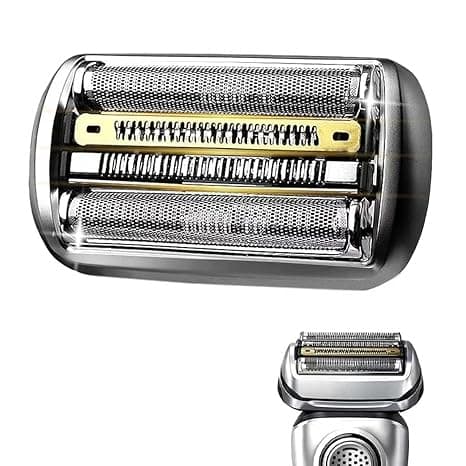
The 92S is a foil-and-cutter system. There's a thin metal foil your whiskers poke through, and a cutting block oscillating underneath that shears them off. Both parts dull. The foil thins and develops microscopic perforations from heat and skin oil; the cutter loses its edge. When that happens the blade can't catch and cut the hair cleanly on first contact — so it grabs, bends, and yanks. That yank is the razor burn. It's not your skin being sensitive. It's a worn head dragging hair before it cuts.
Braun's own guidance is to swap the head roughly every 18 months. I'd pushed mine closer to two years, which is exactly why it had gotten so bad. If you're reading this because your shave suddenly turned painful, you're probably overdue too.
The install — three steps, two minutes, one small annoyance
This part is genuinely easy. Press the two release buttons on the sides of the head and the old cassette lifts straight off. Snap the new one down until you hear that click I keep going on about. Then — and people skip this — put a single drop of light oil across the foil and run the shaver for ten seconds so it works in. That's it.
The one fiddly bit: getting the new cassette squared up the first time. On mine, the frame on the compatible head was a hair looser in tolerance than the factory original. Not loose enough to wobble in use, but loose enough that on my first try it seated slightly cocked and I had to pop it off and reseat it. One extra try. Once it clicked properly it stayed put through weeks of daily shaving and a couple of clumsy drops on the tile floor. So — a five-second annoyance, not a defect.
Honest take: where it matches, where it's a touch behind
On the actual cut, day to day, I genuinely can't tell this apart from the Braun-branded head. Close pass on the cheeks, clean lines, no tugging. The painful drag is gone — that's the whole reason you're here, and it does that job completely. After three weeks I'd stopped thinking about it, which is the highest compliment I can pay a shaver part.
Where it's a notch behind: the foil metal feels slightly less premium under the thumb, and on the tight stuff — right under the nose, the corner of the jaw where my stubble grows in three directions — the OEM head felt very slightly more forgiving on the first pass. I'd sometimes go back over that one spot a second time. We're talking a marginal difference that adds maybe fifteen seconds to my routine, not a comfort gap you'd feel as pain. Honestly, I'd bet most people wouldn't notice it at all unless they'd shaved with both heads back to back the way I did.
The real downsides — said plainly
Two things, and I want to be straight about both, because a review with no complaints is a review you shouldn't trust.
First, the smell. Fresh out of the package there's a faint plastic-and-machine-oil odor on the new cassette — that just-manufactured smell. It's not strong, but the first morning I shaved with it, it was there, faintly, near my face. By the third day it was completely gone. Wiping it down and doing that break-in oiling step before first use knocked it down a lot. Still, if you're sensitive to that kind of thing, know it's there for a couple of days.
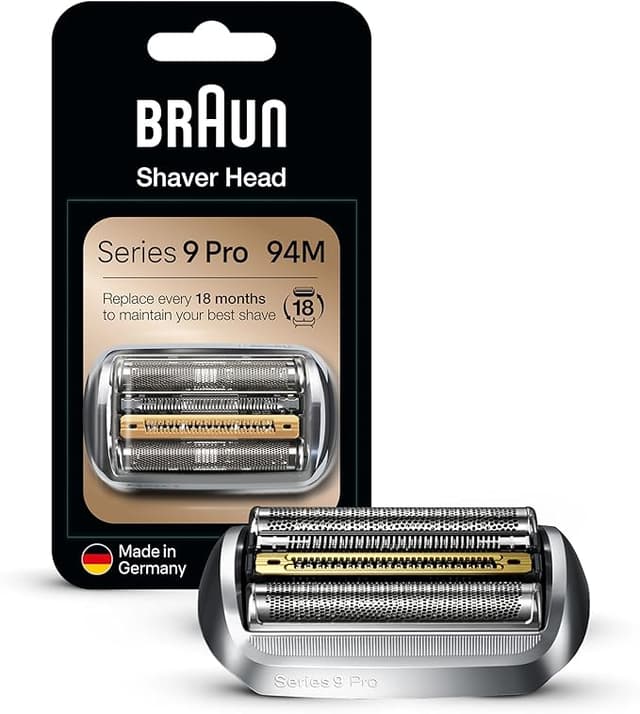
Second, the packaging is cheap. The OEM head comes in that crisp Braun box with the molded plastic tray. This came in a thinner blister pack I had to wrestle open with scissors, and the printing on the card was a little blurry. None of that touches the part itself — the cassette inside was clean, properly aligned, and protected fine — but if unboxing quality is your gut-check on whether to trust the thing going against your skin, the first impression is a downgrade. The part isn't. The box is.
One more small thing: there's a slight break-in on the cut, too. The first two or three shaves felt fractionally less smooth than they did by the end of week one, like the cutter and foil needed a few runs to settle against each other. Normal for any new head, OEM or not — but worth knowing so you don't judge it on shave number one.
Why a dull head is more than annoying
It's not just comfort. A worn head that tugs and drags is what causes ingrown hairs and that rash of irritation along the neck — the blade pulling the hair, bending the follicle, leaving you with red bumps for two days. Running a shaver months past its replacement point isn't saving you money; it's trading a cheap part for a worse shave and irritated skin every single morning. Swapping the head on schedule is the boring fix that actually solves the problem people blame on their razor.
The verdict
Who should buy the genuine Braun head instead? If you shave a heavy, multi-directional beard and you want every last fraction of first-pass closeness on the tightest spots — or you just don't want to think twice about it — pay up for OEM. That's a legitimate choice and I won't talk you out of it.
But for me? My Braun cuts clean again. The tugging's gone, the razor burn's gone, the latch clicks like new, and I spent a fraction of what a replacement shaver would've cost — instead of dropping $200-plus on a new machine that does the same thing this one already does. The looser frame on first install and the two-day plastic smell are real, and now you know about them — and neither one would stop me from buying this again. In fact, I already have. When this head wears out in another year and a half, I'm reaching for the compatible cassette, not the new razor and not the premium box. It does the same job to my face every morning. That's the only test that counts.