Troubleshooting & Analysis
The click was the first thing that told me it'd be fine
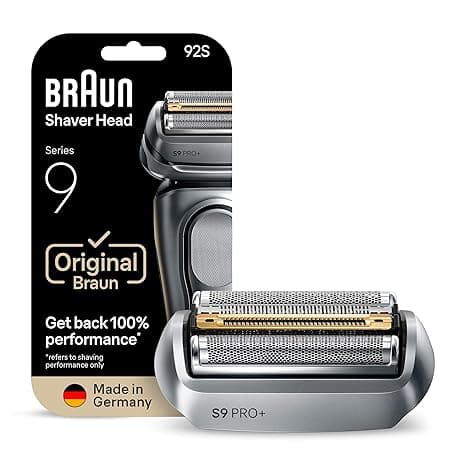
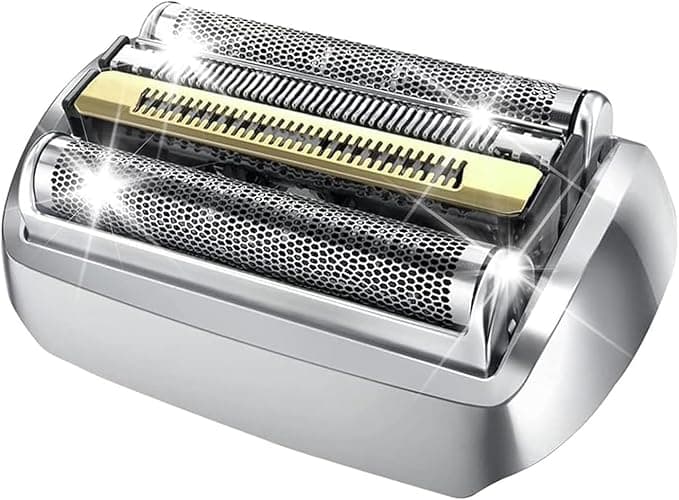
I'd been dragging a worn-out foil across my jaw for probably three weeks too long before I finally caved and ordered a replacement head for my Braun 92S. And honestly, I almost didn't — because the compatible one was less than half the price of what Braun wanted, and that gap made me nervous. Cheap usually means cheap. But when I pressed the new cassette down onto the shaver body, it gave this clean, deliberate click — the same seat-and-lock you feel on the OEM part. Not a wobble, not a "that'll do." A click. I stood there in the bathroom at 6 a.m. and thought, okay, this might actually be the same factory.
That little detail mattered more to me than any spec, because a shaver head is one of those parts where fit is everything. If the foil floats even a millimeter loose, you feel it on your neck immediately — the head chatters, it tugs, and you end up with that hot red rash along the jawline that ruins your whole morning. So before I'd even switched the thing on, the fact that it snapped flush with no rocking told me the mold tolerances weren't garbage.
The price gap is the whole reason you're here
Let's be blunt about why anybody buys a compatible Braun head instead of a new shaver: the math is offensive. A brand-new Series 9 or Series 7 shaver runs you well north of $200, and people convince themselves they need one the second the shave goes dull. They don't. The blades aren't the problem — the head is. The foil thins and the cutter teeth round off, and a $30-ish replacement cassette brings the machine back to where it cut when it was new. I've kept the same 92S body running for years doing exactly this. You're paying roughly a fraction of a new-shaver price to restore 100% of the performance. That's not a deal, that's almost a loophole.
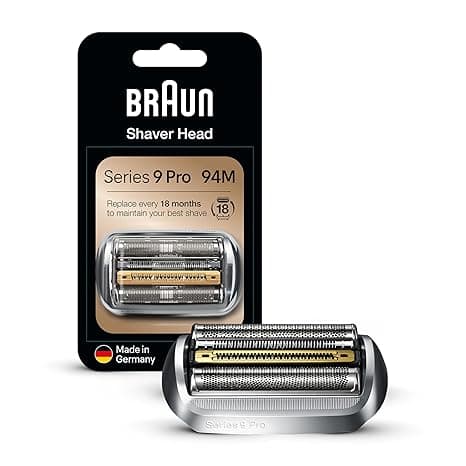
Run the annual number and it gets sillier. Braun recommends swapping the head about every 18 months. So we're talking one cassette every year and a half versus the temptation to "just upgrade" — and the upgrade gets you a shave that is, at best, marginally different from a fresh head on the shaver you already own. I'd rather keep the $200 in my pocket.
Install: three steps, two minutes, no drama
If you've never done it, the swap is genuinely faster than reading about it. There are release buttons on the sides of the head — press them and the old cassette pops off, no tools, no prying. The new one snaps down into the same rails (that's the click I keep going on about). Then you put a single drop of shaver oil across the foil before the first run. Don't skip the oil. People skip the oil and then complain the new head runs warm or noisy — that's not a defect, that's a dry cutter screaming at you. One drop, run it for ten seconds, done.
The only fiddly bit: make sure both sides of the cassette latch. The first time I did it I had one side seated and one side proud, and it rattled until I pressed the loose corner home. Easy fix, but check it.
How it actually shaves — and where it's a half-step behind
Day one, with the oil down, it cut clean and close. Cheeks, jaw, the awkward spot under the nose — no tugging, no repeated passes over the same patch. That tugging sensation, by the way, is the real reason a worn head feels "painful": dull foil and cutters grab the hair and yank it before they finally sever it, and that's what razor burn actually is. A sharp head pulls less and cuts more, and this one did. After three weeks of daily use it was still cutting like the first morning.
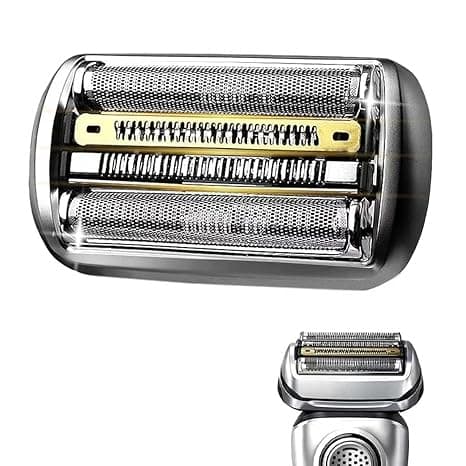
Where's the half-step? The foil feels a touch thinner than the genuine Braun part if you really pay attention to it under a light. I don't think it'll last quite as long as a true OEM cassette — call it slightly shorter on the back end of that 18-month window. And for guys with very dense, coarse stubble, an OEM foil might give you that last 5% of closeness on a three-day growth. For my daily-shave routine I genuinely could not tell the difference. But I want to be straight with you that the margin exists.
The downsides, said plainly
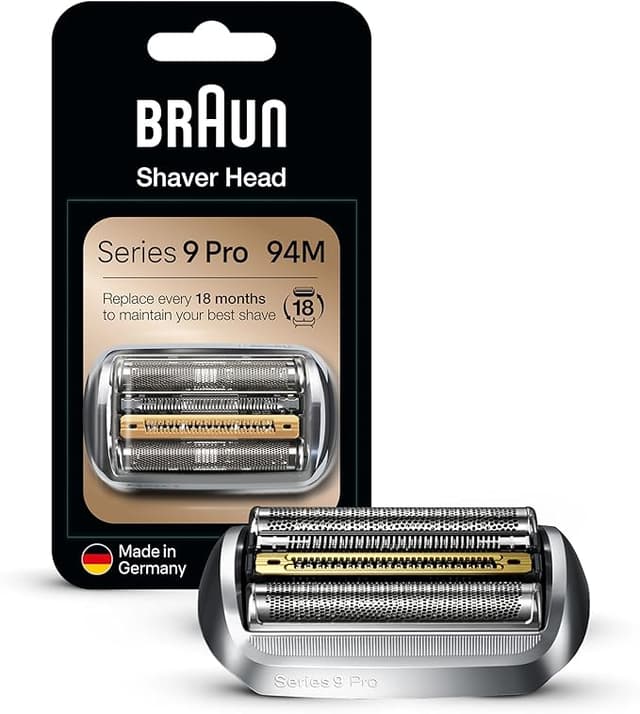
The packaging is cheap — a thin blister card, no premium box, and mine arrived with a slightly crushed corner. The cassette inside was fine, but it doesn't feel like a $30 part when you open it, and if you're someone who equates packaging with quality you'll have a moment of doubt. Push past it; the part is what matters.
There was also a faint plastic-and-machine-oil smell the first couple of times I ran it. Not chemical, not alarming — just that new-injection-molded-plastic note. It was gone by the third shave. And the printing on the housing isn't as crisp as Braun's; the logo's a little soft. None of this touches the shave. But you asked for honest, so: cheaper packaging, brief break-in smell, marginally thinner foil. That's the real list.
One more thing worth saying because it's a safety-adjacent point, not a scare tactic: a worn shaver head isn't just an annoyance. The reason dull foil causes razor burn and ingrown hairs is mechanical — it's dragging and re-cutting the same skin. Running a tired head for months is how you end up with chronically irritated, broken-out skin on your neck. Swapping the cassette is the actual fix, and it's a cheap one.
The verdict
Here's who should buy the genuine Braun part: if your stubble is exceptionally coarse and you stretch shaves to three or four days, or you're the type who'll be bothered knowing the foil might wear a few months sooner — pay the premium, sleep easy. No shame in it.
For everybody else — which is most of us, shaving daily or every other day — I grab the compatible 92S head and I don't think twice anymore. It clicks in like it belongs, it cuts clean from the first pass, the only real compromises are a cheap blister pack and a two-day plastic smell, and it costs a fraction of either a new shaver or the OEM cassette. I've bought it more than once now, and I'll buy it again the next time mine dulls. That's the most honest endorsement I've got: I spend my own money on it, repeatedly.