Troubleshooting & Analysis
I didn't believe a $20 filter could be fine either
Here's where my head was at last spring. My AquaBliss STANDARD was wheezing — the airflow had gone soft, the room smelled faintly like a wet towel, and the filter light had been glaring orange for two weeks while I pretended not to see it. I went looking for a replacement and found the OEM HEPA priced like it was woven out of something rare. Then right under it, a compatible True HEPA H13 for about half the money. And my gut reaction was exactly the one you're probably having: no shot. You can't make the same filter for that. Something's wrong with the cheap one. It'll be thinner, it'll leak air around the edge, it'll let the dust right through and I'll have wasted twenty bucks plus my weekend.
I bought it anyway, mostly out of spite toward the OEM price. I've now run that compatible filter in my actual bedroom unit, the one that runs basically every night, and I want to walk you through what I found — the good, and the couple of things that genuinely annoyed me — because I went in a skeptic and I'd rather you read a skeptic than a sales page.
The money, plainly
This is the part that started the whole thing. The OEM HEPA for the STANDARD runs you the kind of number where you do the annual math and wince. These filters aren't a once-a-decade thing — on a unit that runs nightly you're swapping the HEPA roughly every six to eight months, and that's if your air is clean. Two of those a year at OEM pricing, and you've quietly paid for the purifier a second time inside three years.
The compatible one I bought came in around half that. Call it a $20 swing per filter — and across two changes a year, that's the difference between "eh, whatever" and a real chunk of money you keep. The H13 grade is the part that mattered to me, because that's the medical-cabin tier of HEPA, the 99.95%-at-0.3-micron spec. So I wasn't trading down on the rating to save the cash. Same job, half the receipt. That alone made me willing to risk being wrong.
Does it actually seat right?
This was my big fear — that a third-party filter would be a hair off and rattle around, leaving a gap for unfiltered air to sneak past. So before anything I unplugged the unit (do this, the fan spinning down while you've got it open is exactly the wrong time to find out it has a kick), popped the old one out, and dropped the new HEPA in.
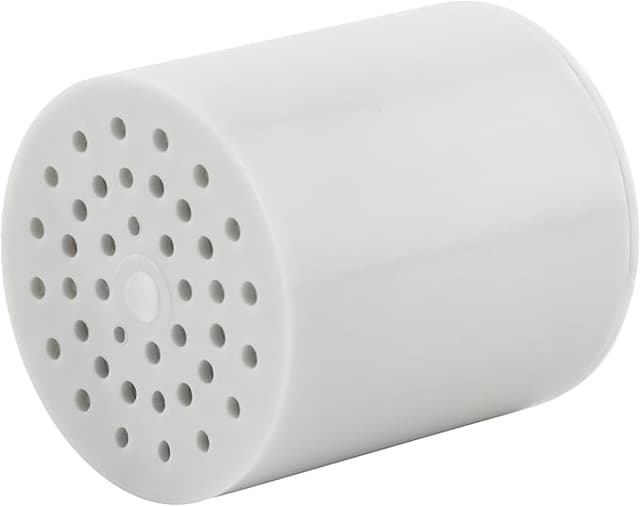
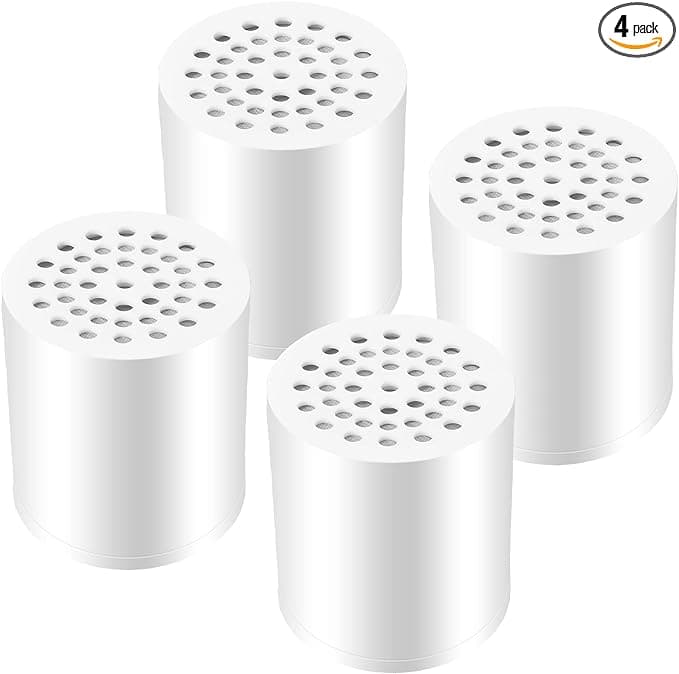
It seated. There was a small thing, though, and I'm going to be honest about it because it's the kind of detail the glossy reviews skip: the frame on this compatible filter is a touch — and I mean a hair — looser than the OEM was. The OEM had this confident little click when it locked home. This one settles in with more of a soft push than a click. The first time, I genuinely pulled it back out and reseated it twice because I didn't trust that snugness. But once it's in and the housing door is shut, the door pressure holds it flat and square. No rattle when the fan ramps up. After four-plus months it hasn't shifted a millimeter. So: looser to install, fine once closed. Then I hit reset on the filter light, the orange went away, and that was the whole job — maybe ninety seconds.
How it actually performs
The airflow came back immediately. That soft, tired output I'd been living with — gone, back to the firm push the unit had when it was new. On the dust-and-pollen stuff this is where the H13 grade earns it. I've got a cat and a partner with spring allergies, and the week after I swapped it her morning sneezing fits dropped off noticeably. That's anecdotal, I know, but it tracks with what an H13 should do, and it's the thing I actually care about at night.
Where's it a touch behind OEM? Honestly, two small places. The very fine, smelly stuff — cooking odor drifting in from the kitchen, that sort of thing — clears maybe a beat slower than I remember the OEM doing in its first month. And I'd believe the OEM holds its peak performance a little longer into its life. This compatible one does its job hard and well, but I suspect it tapers a bit sooner, which is the real argument for not stretching the replacement interval to save money. Don't. A saturated HEPA isn't just weak — it's worse than weak.
The downsides, no sugar
Two real ones, beyond the loose frame. First, the break-in smell. For the first two, maybe three days there's a faint plastic-and-new-cardboard smell coming off it when the fan runs. Not chemical-harsh, not headache territory, but present, and if you're the type who notices that stuff you'll notice it. By day four it was gone completely and never came back. Run the unit on high for a few hours when you first install it and crack a window — that blows most of it out fast.
Second, the packaging is cheap. The OEM came in this molded, sealed, very-pleased-with-itself box. This showed up in a thin plastic sleeve inside a plain carton. Cosmetically it feels less premium and it made my skeptic brain twitch all over again — but the filter media itself, the pleated H13 that does the actual work, was clean, evenly folded, undamaged, and properly sealed. The cheap box wraps a fine filter. I'd rather they spent the money on the pleats than the cardboard, frankly.
Why a dead filter is the real risk
Quick word, because it's the thing that actually matters more than the price. The reason I finally stopped ignoring that orange light: an expired, saturated filter in the STANDARD doesn't just stop helping — it flips. All that trapped gunk, the dust and pollen and the damp it pulls from a humid room, becomes a bed for mold, and now your purifier is breathing that back into the room every night. It turns from the fix into the source. So whatever filter you run, OEM or this one, the discipline is the same: swap it on schedule, don't ride it past dead to squeeze out a few more weeks.
So who should buy what
If you've got a clinical reason to want the absolute longest-holding, vendor-guaranteed performance and the price genuinely doesn't register — buy the OEM, sleep easy, no argument from me. And if the slightly looser frame would nag at you forever, that twenty bucks is worth your peace.
But me? I came in certain the cheap one was a mistake. Four months later it's still in my bedroom unit, still pushing clean firm air, still on the same H13 spec the expensive one promised — for about half the money. The looser fit and the three-day plastic smell are real and I told you about them, and they're also nothing next to a $20-a-filter savings on a thing I replace twice a year. I was wrong to doubt it. I'd buy it again, and I have.