Troubleshooting & Analysis
The click is the first thing you notice
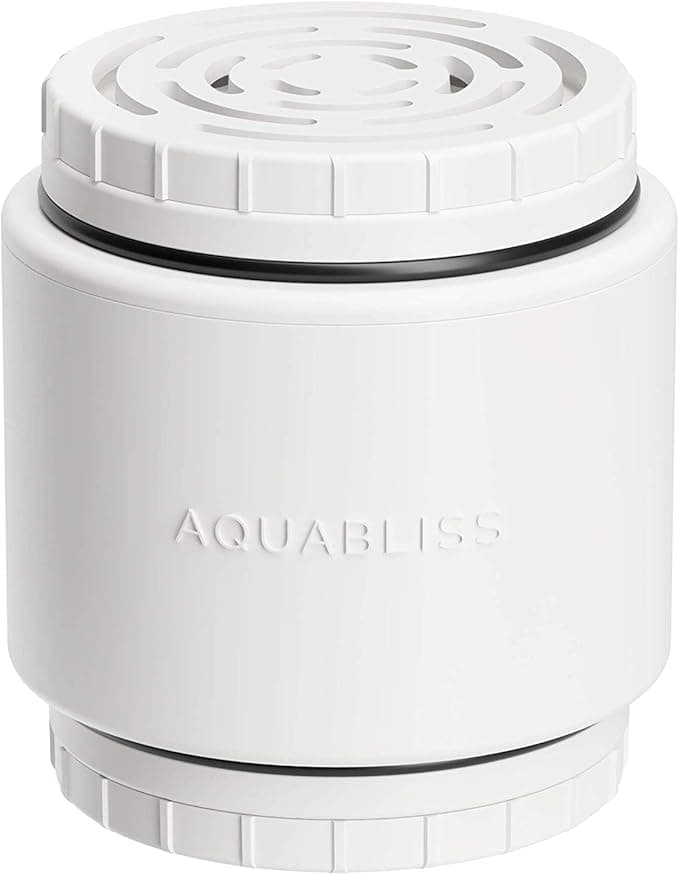
There's a specific sound a filter makes when it seats right. A soft, deep click — not a snap, more like a drawer closing on good rails. The first compatible HEPA I dropped into my AquaBliss purifier didn't make it. It went in, sat there, looked fine, but the lid wouldn't latch flush. Turned out I had it rotated a few degrees off. Spun it, pushed, click. Lid down. That moment is when I stopped sweating the fifteen-dollar gamble.
I'd put it off for a month, honestly. The OEM replacement was running me around $49 a pop, and my unit chews through one every six months or so the way I run it — nightly, in a bedroom that backs onto a busy road. So that's roughly a hundred bucks a year just to keep the thing breathing. The compatible H13 I tried was $22. Buy two and you're still under the price of one factory cartridge. The math wasn't subtle. The nerves were the only thing in the way.
What you actually smell the first three days
Here's the part nobody warns you about, and it almost sent me into a return. New compatible filter, fresh out of the plastic, and the first night the air had a faint smell to it. Not chemical-harsh — more like a new-shoebox, slightly papery plastic note. It's the fresh media and the frame off-gassing a little. By the third morning it was gone and I haven't caught it since. If you're scent-sensitive, run the unit on high for an hour with a window cracked before you sleep next to it. That fixed it for me.
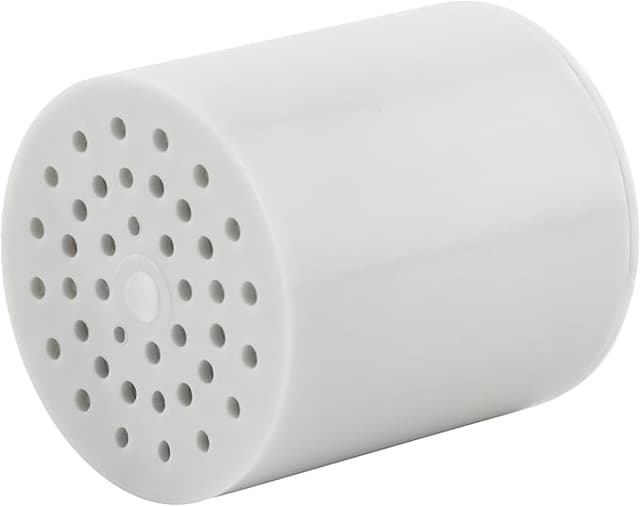
The frame is where the cheaper price shows up. The OEM cartridge has this dense, almost overbuilt plastic lip — you can feel the money in it. This compatible one is a hair lighter, the plastic a touch thinner, and the gasket foam isn't quite as plush. Out of the box one corner of mine was very slightly bowed, the kind of thing you'd never notice unless you're the type to inspect both side by side. I was. Pressed it flat with my thumb, it held, sealed fine. But that's the honest gap: the engineering tolerance is looser. It still seats and seals — it just doesn't feel as expensively made in your hand.
Does it actually clean the air, though
This is the only question that matters, and it's where I expected to get burned. True HEPA H13 is a real spec — it's the grade that captures down to 0.3 microns at 99.97%, and a legitimate H13 media doesn't care whether the brand on the frame is the original or not. The pleat count looked comparable when I held them up. After a few weeks I did the lazy man's test: ran it during a dusty Saturday of moving furniture, checked the particulate readout on my little air monitor before and after. It pulled the room back down to baseline at about the same pace the OEM did. My partner, who has spring allergies and is the real sensor in this house, didn't notice a thing change. That's the verdict that counts.
Where it's a touch behind: I think the OEM holds its airflow a little longer into its life. Around month four or five, the compatible one felt like it was working a bit harder on high — slightly more motor noise, slightly less punch — earlier than the factory one did. Could be in my head. But I've started swapping these closer to the five-month mark instead of riding them to six, and at $22 each I genuinely don't care. A cheap filter you replace on time beats an expensive one you stretch.
The thing people get wrong about a tired filter
And stretching is the real danger, not the brand. A saturated HEPA isn't just less effective — it flips. All that trapped pollen, dust, and the dampness a bedroom throws off at night becomes a place where mold can settle and grow, and then your purifier is quietly breathing that back into the room you sleep in. That's the actual risk to your health, and it's identical whether you overrun an OEM or a compatible one. So the smart move isn't paying triple for the name. It's paying a fair price and swapping on schedule, which a $22 filter makes painless.
The install is nothing, for what it's worth. Unplug it — do actually unplug it, don't be lazy. Pop the old filter out, and warning, hold it over a trash bag because a spent one sheds gray dust everywhere. Drop the new one in until you hear that click I keep going on about. Then hold the reset button until the filter light goes from red back to blue, or it'll nag you forever. Three minutes, no tools.
Who should skip this
If your unit is under warranty and the fine print voids it for non-OEM parts, read that first — some brands play that game, and a warranty fight isn't worth twenty-seven dollars of savings. And if you're the kind of person a faint three-day plastic smell will genuinely bother, the factory filter does run cleaner out of the gate.
Everybody else? I've bought these four times now across two of my units. The frame's a little cheaper, there's a break-in smell, and the airflow fades maybe a few weeks sooner. All true. But it does the one job — H13, real filtration, my allergic partner none the wiser — for less than half the OEM price. I'd buy it again. I literally keep a spare in the closet.