Troubleshooting & Analysis
I stood in the cart with two filters and a stupid amount of hesitation
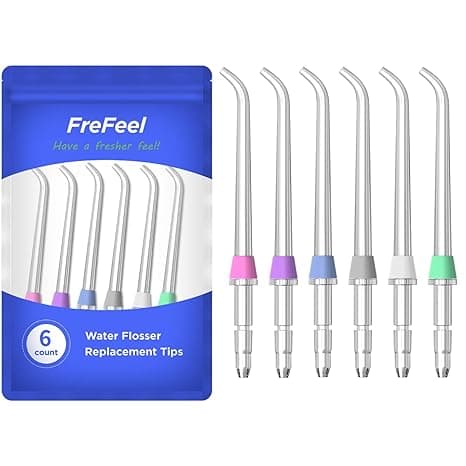
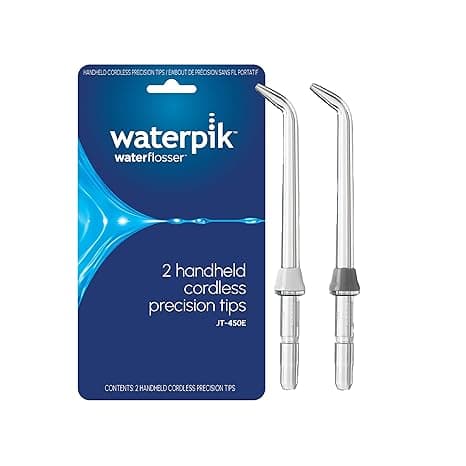
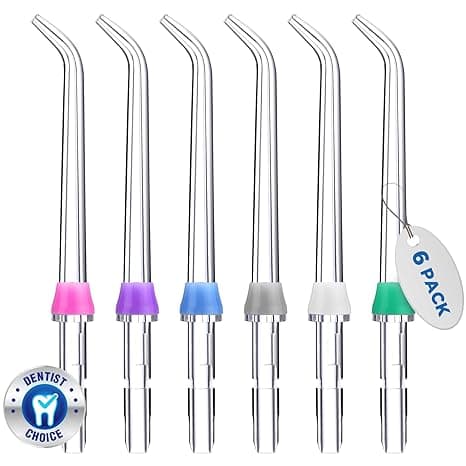
It was almost funny. Two browser tabs open, both for the same little JT-100 filter that slots into my machine's air intake, and I genuinely could not click "buy" on either one. The brand-name box wanted $42 for a six-pack. The compatible one — same shape, same part number printed on it, same grey-white pleated insert — wanted $19 for the same count. Twenty-three dollars. That was the whole decision, sitting right there, and I sat on it for a full ten minutes like an idiot.
Here's why I hesitated, and maybe it's why you're reading this: it's a filter that cleans the air going into a device I run near my face. You don't cheap out on stuff like that on instinct. The little voice goes, "what if the cheap one lets junk through, what if it doesn't seat, what if it's basically a napkin in a frame." So I did the thing I always do now — I bought the compatible JT-100 anyway, but I watched it like a hawk. This is what four months of actually running it told me.
The money, because that's the real reason you're here
Let me lay it out plain. On a two-week replacement schedule — which is what the directions call for, and which I actually keep to now — you're going through roughly 26 filters a year. At OEM pricing that's the $42 six-pack about four-plus times over. Call it $175 a year just to keep clean air moving. The compatible JT-100 at $19 a six-pack runs you closer to $80 for the same year of changes. That's not a coupon. That's nearly a hundred bucks a year for a part that, function-for-function, does the identical job.
And the two-week thing matters more than people think. A saturated filter isn't just "dirty" — it's a clogged sponge sitting between you and the air you're breathing all night, and it starts pushing the dust it caught back at you. So the cheaper the per-filter cost, the more likely you are to actually swap on time instead of stretching a grey one to six weeks because you don't want to "waste" a $7 OEM filter. Honestly the savings made me a better, more disciplined user. Cheap filters got changed on schedule. Expensive ones got rationed. That's just human.
Does it actually fit? Yeah — with one honest caveat
Install is exactly what you'd expect and the steps are dead simple: pop the flap on the intake, pull the old grey/white insert, push the new one in until it sits flush, done. Thirty seconds. The JT-100 dropped into the slot and seated with that little resistance you want — the snug press that tells you it's not going to rattle loose.
Caveat, and I promised you at least one real one: the frame on the compatible filter is a hair looser in the channel than the OEM was. Not loose enough to fall out, not loose enough to whistle or leak air around the edge — I checked for that specifically the first week. But if you run your thumbnail along the seam, the OEM had a slightly tighter, more "machined" feel and the JT-100 has a touch more give. Did it affect anything in four months? No. Did I notice it on day one? Yes. So I'm telling you. If you're the kind of person who needs a filter that feels like it was injection-molded for your exact unit down to the micron, that gap will bug you and you should buy OEM and stop reading.
The first three days have a smell
Second honest thing. Fresh out of the bag, the first JT-100 had a faint plastic-and-cardboard smell — that new-packaging odor. Nothing chemical, nothing that made me cough, but it was there for about the first two nights of running it. By night three it was gone completely and never came back on that filter or any of the ones after it. If you're sensitive to smells, here's my actual trick: I pull the new filter out of the bag the morning before I'm going to use it and leave it sitting out on the dresser for the day. Air it out. By the time it goes in that evening, the smell's already off it. Costs you nothing and solves the only real first-impression gripe I have.
Performance: where it ties OEM, and where it's a step behind
On the thing that matters — actually catching fine particles — I genuinely could not tell a difference. The intake stayed clean, the device ran quiet, and when I pulled each filter at the two-week mark, the JT-100 had loaded up with the same grey dust pattern across the pleats that the OEM used to. It's doing the work. The pleating is real pleating with real surface area, not a flat pad pretending.
Where it's a touch behind: the OEM filter held its shape and "loft" a little better deep into the second week. By day twelve or thirteen the compatible one looks a bit more tired — slightly flatter, slightly more packed — than the OEM did at the same age. Which, fine. I'm changing it at day fourteen anyway, and at a third of the price I'd rather have a filter that looks done right on schedule than one that guilt-trips me into a third week. The cheaper packaging is the other tell — thin plastic sleeve versus the OEM's nicer box. The filter inside is what counts, and that part's solid, but don't expect a premium unboxing.
So who should skip this, and what I actually do
Buy the OEM instead if you've got a specific medical directive tying you to the brand-name part, or if that slightly looser frame feel is the kind of thing that'll live in your head every night. Some people just sleep better knowing it's the exact factory piece, and there's no arguing with that.
For everybody else — for me — it's not close. Same part number, same job, the dust pattern proves it's filtering, and it's roughly $80 a year against $175. The frame's a hair looser, there's a two-day smell you can air out in an afternoon, and the box is cheap. Those are the downsides, all of them, and none of them cost me a single night's sleep across four months. I'm on my ninth JT-100 now. I'd buy it again, and the fact that I already have, on autopilot, every two weeks, is the most honest endorsement I can give you.